The Maintenance Secret: Repairing Ghosted Whiteboards and Protecting School Property
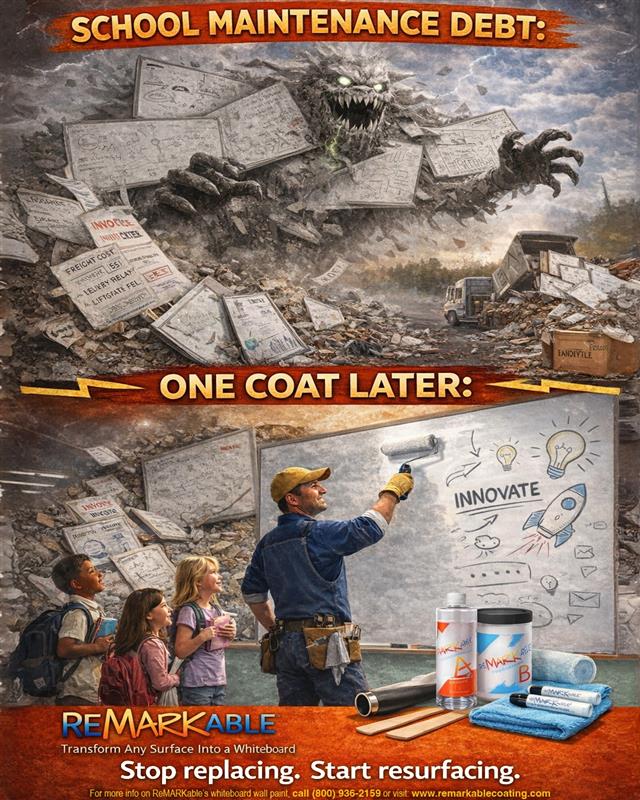
Today, most schools face high maintenance costs due to an abundance of ghosted whiteboards that are gray, stained, and impossible to clean. The term maintenance debt refers to the total cost to a school or organization for repairing all equipment that needs renovation. Your maintenance debt dictates your maintenance cost. And in the case of whiteboards, this cost can be quite high. Replacement is not only expensive but also creates construction debris and often damages the drywall behind the old boards.
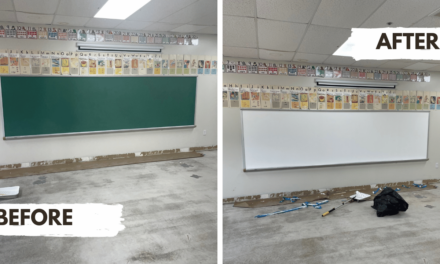
Whiteboard paint is thus the professional’s resurfacing secret for repairing ghosted whiteboards. It allows schools to restore their existing assets rather than disposing of them in landfills, thereby reducing unnecessary waste. School facility maintenance and asset management thus become exercises in environmental stewardship and financial responsibility.
Why Whiteboard Paint is the Smarter Investment for School Facility Maintenance
The Financial Case: A great contrast exists between the high cost of shipping and mounting heavy whiteboards and the low cost of applying a coating such as whiteboard paint. When a school or office orders a new whiteboard, the product’s high price is just the beginning. Shipping a 4′ × 8′ or larger board is not like ordering supplies online. It almost always requires freight shipping. Freight carriers charge fees based on size, weight, and distance, and add extra fees for services such as residential delivery, liftgate service, and handling fragile items.
Because of these factors, the shipping bill for a new whiteboard can easily rival the price of the board itself. It’s also common for deliveries to arrive late or damaged, thus adding more cost and frustration.
In contrast, premium whiteboard paint can be shipped in large quantities to any place in the United States and around the world at standard shipping rates. Moreover, risk-free whiteboard paint can be transported on airplanes. Consequently, it may be shipped without the hazardous materials assessment required for many other paints. In fact, multiple 600-square-foot whiteboard paint kits are often delivered worldwide in single shipments to schools via overnight express.
Labor Savings: Applying paint is a standard janitorial task at most schools, requiring no specialized contractors or use of heavy mounting hardware. In addition to their other maintenance and renovation tasks, custodians typically have to paint their schools’ interior walls during summer breaks. For this reason, hiring outside painting crews to install whiteboard paint is unnecessary.
Sustainability: The environmental friendliness of using whiteboard paint rather than installing new whiteboards is also a key factor to consider.
Restoring old whiteboards keeps hundreds of pounds of fiberboard, melamine, aluminum, and other non-recyclable materials out of landfills.
Most whiteboards used in schools today are made of medium-density fiberboard (MDF) coated with melamine. MDF consists of wood shavings and sawdust that are bound together with glue, which is typically formaldehyde-based. Therefore, standard whiteboards are awash with toxic chemicals called volatile organic compounds (VOCs). VOCs are extremely harmful to both human health and the environment. In contrast, premium whiteboard paint is particularly low in VOCs and is thus much healthier and more eco-friendly.
A Facility Manager’s Guide to Repairing Ghosted Whiteboards
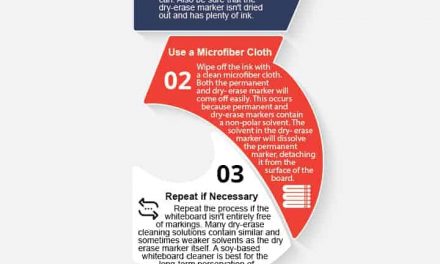
Step 1: Chemical Stripping: Removing years of built-up wax and “ghost” shadows from the well-used surfaces is an essential first step in restoring your old whiteboards. To effectively strip your dry erase boards of residual marker ink and other materials, you’ll need a soft, clean microfiber cloth or towel. You’ll also need an environmentally friendly cleaning solution.
A number of commercial products created specifically for cleaning ink residue from whiteboards are on the market, but they can be costly. Isopropyl alcohol and hydrogen peroxide are good green alternatives and are standard solvents used for whiteboard cleaning. To get the best results, use 99% or 90% isopropyl alcohol. Mix the alcohol or peroxide with water, apply the solution to a microfiber cloth, and wipe the whiteboard clean.
For stubborn stains, rub isopropyl alcohol directly on the area. Use enough of the liquid to leave a thin layer of alcohol over the surface. Then let it sit for a few seconds before wiping the whiteboard dry.
You can substitute hydrogen peroxide for isopropyl alcohol and apply it in the same manner. Or, you can use our proprietary
ReMARKable Dry Erase Cleaner. This product is formulated using green chemistry procedures and clean ingredients. So, it’s an effective, non-toxic solution that is safe for humans and the environment alike.
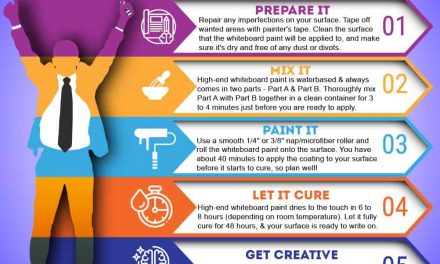
Step 2: The Smooth Surface Rule: A light sanding with 220-grit sandpaper is necessary to ensure that the new whiteboard coating bonds perfectly to the old board’s surface.
Step 3: Resurfacing: When you apply the whiteboard paint topcoat, you create a highly resilient, non-porous finish that actually outperforms the original board’s surface in terms of durability and ease of use.
Beyond the Classroom: Institutional Wall Protection with Clear Whiteboard Paint
Educational facility management using whiteboard paint goes beyond restoring your old whiteboards. It may also involve safeguarding your building’s walls, doors, and other areas from wear and tear caused by students and faculty.
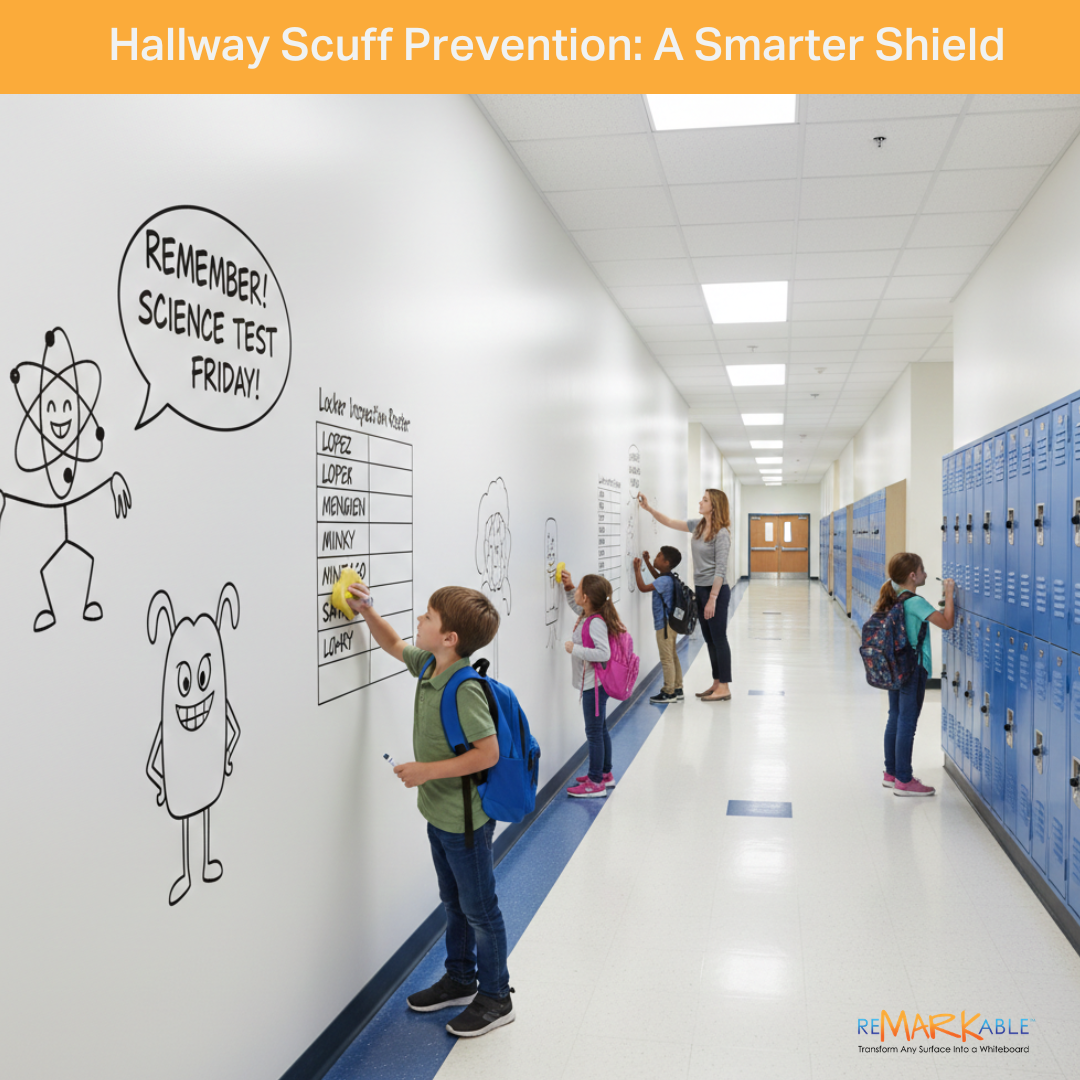
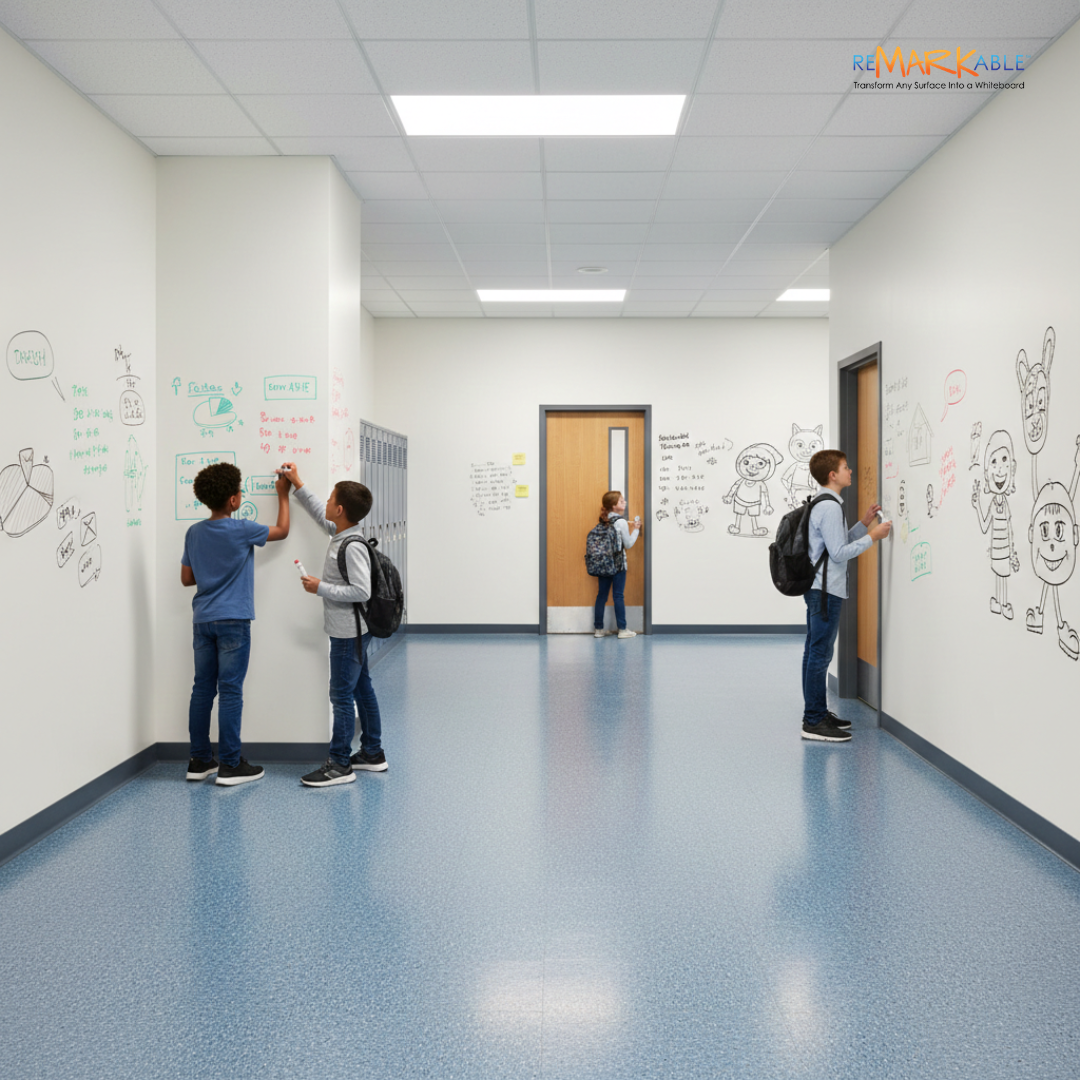
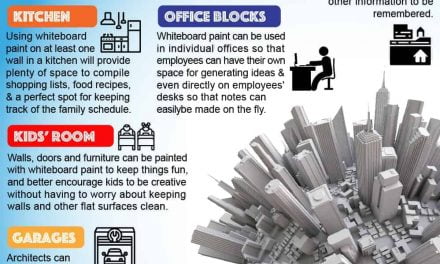
Hallway Scuff Prevention: Clear whiteboard paint may be used as a “sacrificial shield” in high-traffic areas such as hallways and locker rooms to prevent backpack scuffs and dirt buildup. Teachers and students can also use these spaces to convey messages and leave memos about upcoming tests and other topics.
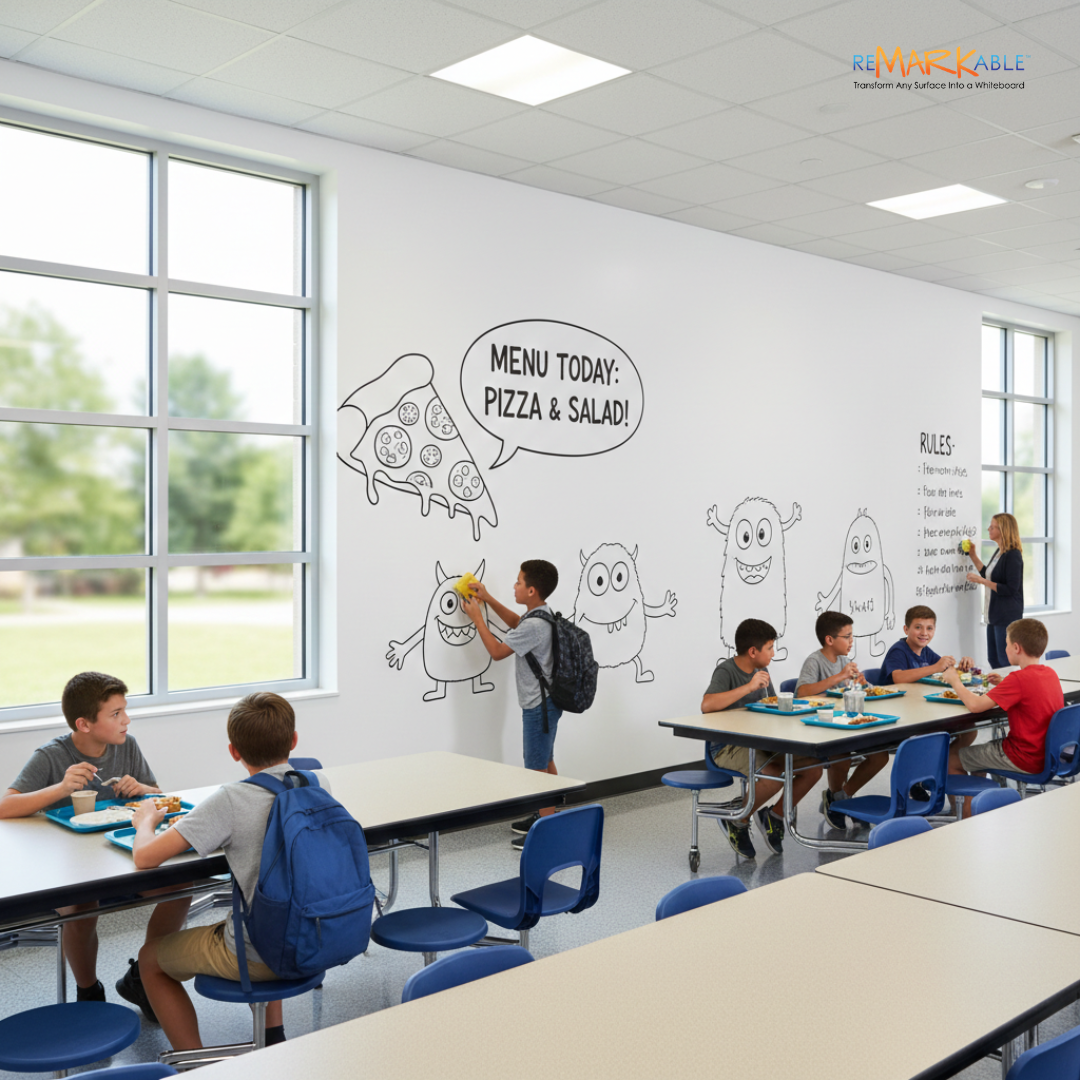
Cafeteria and Common Areas: Protecting painted walls from stains and thus making them easy to sanitize with standard cleaners is another practical use for whiteboard paint. Applying a coat of clear whiteboard paint to cafeteria and common-area walls provides a durable coating that resists staining and enhances the overall atmosphere.
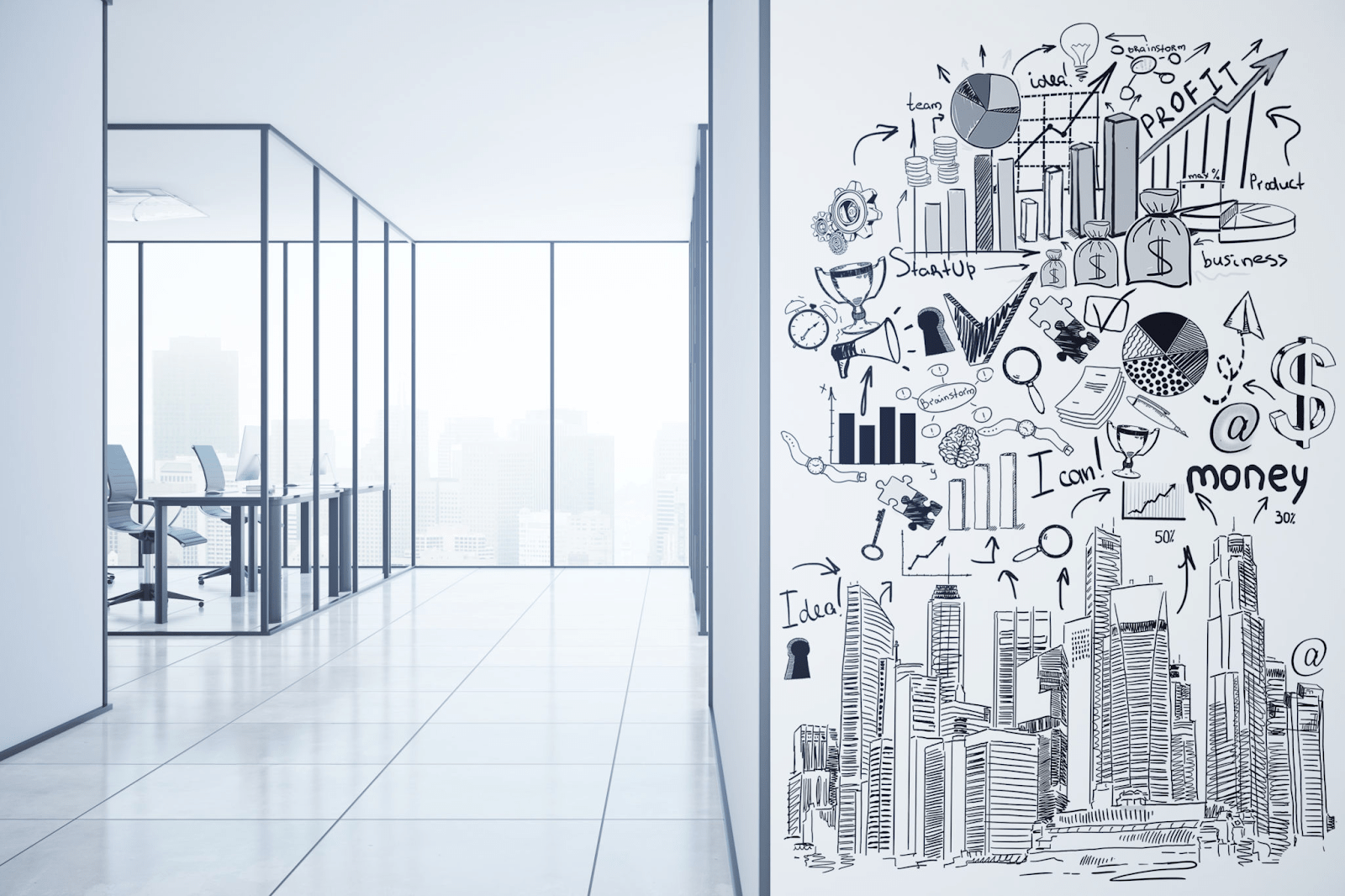
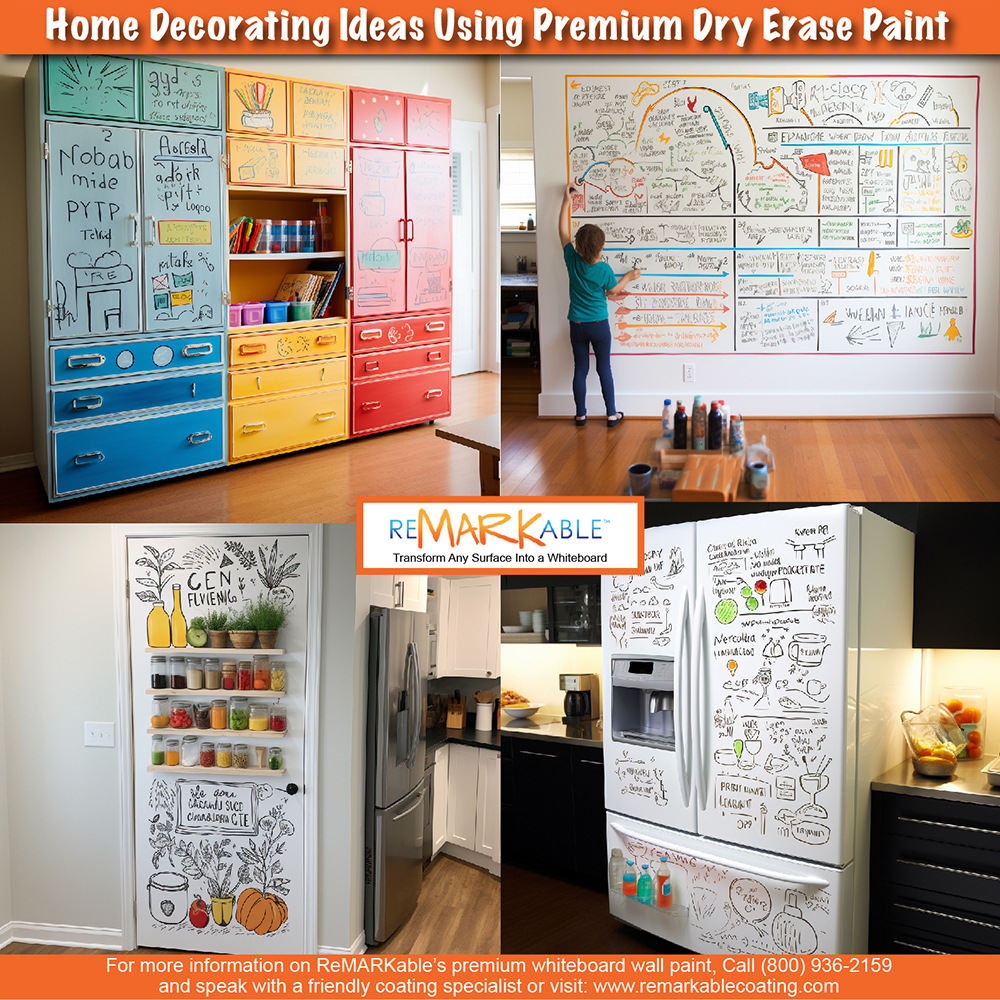
Making Use of “Dead Space” in Buildings: Turn pillars, doors, and hallway “dead ends” into functional writing zones to promote enhanced student collaboration and communication. Installing whiteboard paint in these offbeat areas can give your facility extra places for students to express their creativity and interact with one another.
Planning Your Educational Facility Management for the Summer Break
The Strategy: While the painting of your whiteboards happens during the summer break, it’s necessary to carry out your whiteboard paint audit and procurement in the spring. In this way, you’ll be prepared for the whiteboard paint application work with plenty of time to spare.
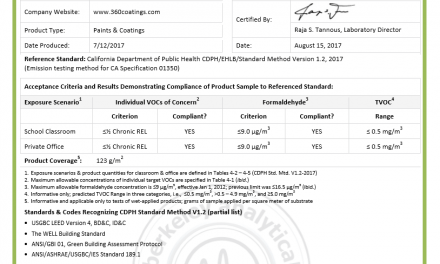
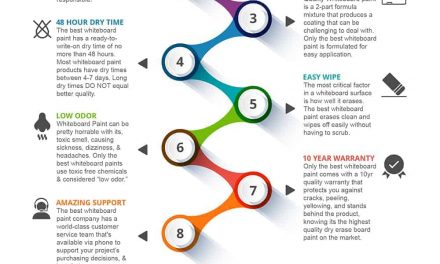
Safety Standards: While planning their installations, school administrators can rest assured that premium whiteboard paint’s low-VOC, low-odor formula is safe for institutional use and meets strict air-quality standards. In fact, the coating has been certified safe by the global green building certification program, Leadership in Energy and Environmental Design (LEED) begun by the United States Green Building Council (USGBC). The fact that top-quality whiteboard paint meets LEED’s stringent requirements for eco-friendly coatings helps ensure the health and well-being of your faculty and students.
High-Performance Results on a Maintenance Budget
Over time, premium
whiteboard wall paint is much more affordable than other writing media such as standard framed whiteboards and interactive whiteboards. The cost of replacing traditional whiteboards at the end of their short life spans amounts to a great deal of expenditure over a period of years.
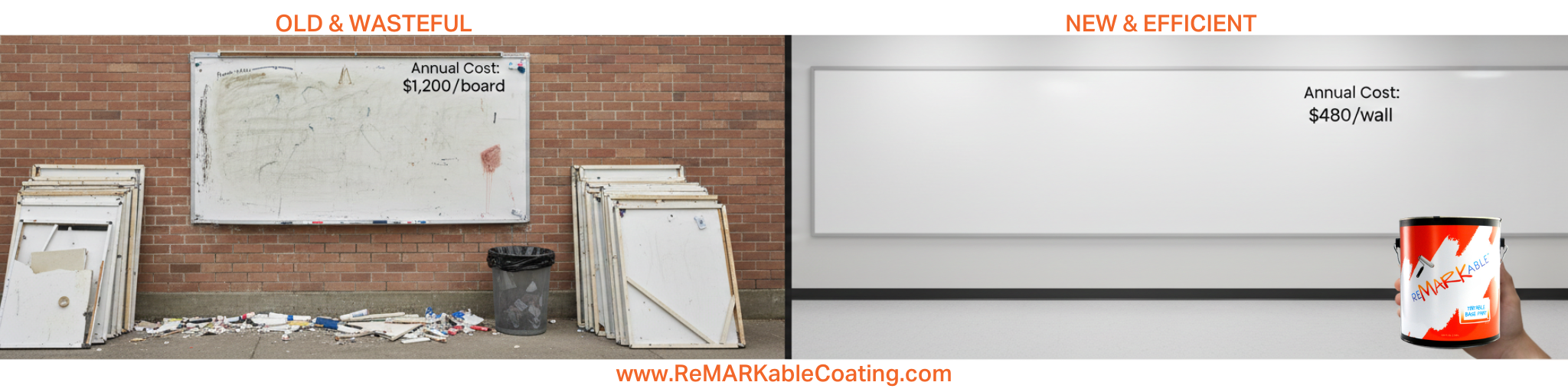
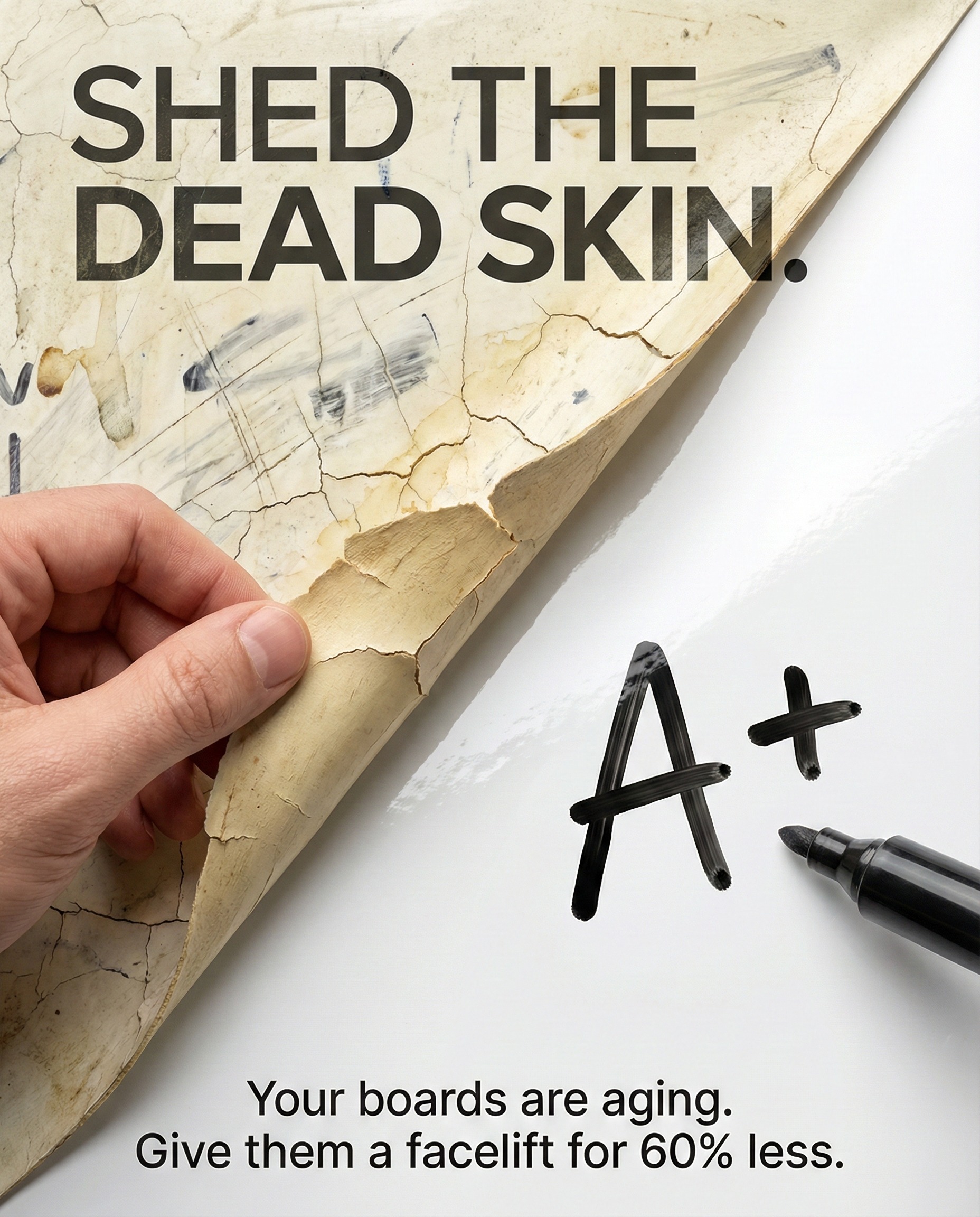
In fact, even the up-front cost of whiteboard painted walls is much lower than that of standard whiteboards. More specifically, it’s possible to coat a 100-square-foot wall with whiteboard paint for approximately 60% less than the cost of replacing a similar-sized whiteboard, including labor, disposal, and hardware.
Final Thought: Restoring old whiteboards with top-quality whiteboard paint is faster, cheaper, and more long-lasting than replacement. So, don’t rip out your old ghosted whiteboards and add more waste to our overloaded landfills. Instead, restore them with top-quality ReMARKable Whiteboard Paint. Shop our Whiteboard Paint Kits for Schools or request a custom quote for your campus today.
Frequently Asked Questions About School Whiteboard Restoration
How long does it take to restore a ghosted whiteboard?
The actual application of ReMARKable whiteboard paint takes only a few minutes per board. However, you must factor in the 24-hour drying time for the base coat and a 48-hour curing period before the surface is ready for dry-erase markers.
Is whiteboard paint safe to use in classrooms with students?
Yes. Premium whiteboard paint is specifically formulated to be low-VOC and low-odor. It meets strict LEED safety standards, making it safe for use in indoor educational environments without the harsh chemical smells associated with traditional industrial paints.
Can you apply whiteboard paint over any surface?
Whiteboard paint can be applied to almost any smooth surface, including old whiteboards, slate chalkboards, painted drywall, and even metal lockers. The key is ensuring the surface is properly cleaned, sanded, and primed before the topcoat is applied.
Does whiteboard paint require special markers or cleaners?
No. Once fully cured, you can use any standard low-odor dry-erase markers. For cleaning, a moist microfiber cloth usually does the trick, though using a dedicated Whiteboard Wall Cleaner will help extend the life and “ghost-free” quality of the surface.



![Giant Leaps Forward Require Big Spaces. [Leap Year Sale Event!]](https://www.remarkablecoating.com/wp-content/uploads/2016/02/Giant-Leaps-ForwardRequire-Big-Spaces-440x264.jpg)



![30% Off St Patrick’s Day Sale! [Details Inside]](https://www.remarkablecoating.com/wp-content/uploads/2016/03/Glorious-1-440x264.png)

![Drive Your Organization Into Openness and Watch it Expand [20% Off Whiteboard Paint]](https://www.remarkablecoating.com/wp-content/uploads/2016/04/Drive-Your-Organization-Into-Openness-and-Watch-It-Expand.-1-440x264.jpg)

















![ReMARKable’s Winter Sale is Here! [25% Off + Free Shipping]](https://www.remarkablecoating.com/wp-content/uploads/2018/01/Red-Tag-Winter-Fashion-Facebook-Post-1-440x264.png)


![ReMARKable Summer Sale 2018 [28% Off Whiteboard Paint]](https://www.remarkablecoating.com/wp-content/uploads/2018/06/Blue-Simple-Line-Beach-Facebook-Post-1-440x264.png)







































































































































































0 Comments