

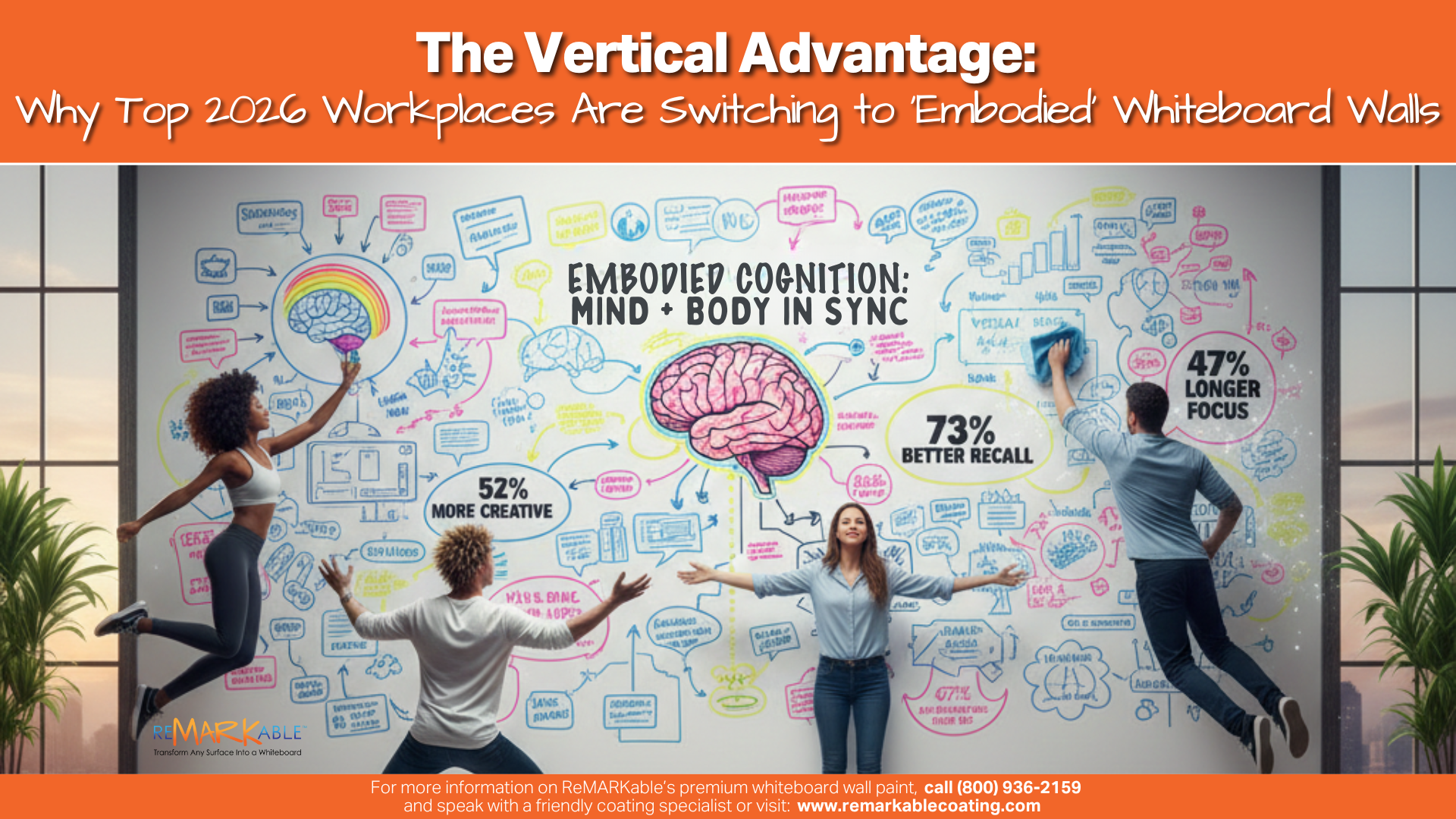
Why are Top 2026 Workplaces Switching to ‘Embodied’ Whiteboard Walls?
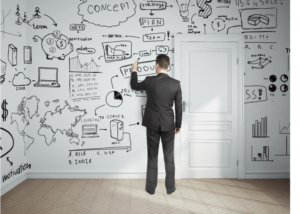
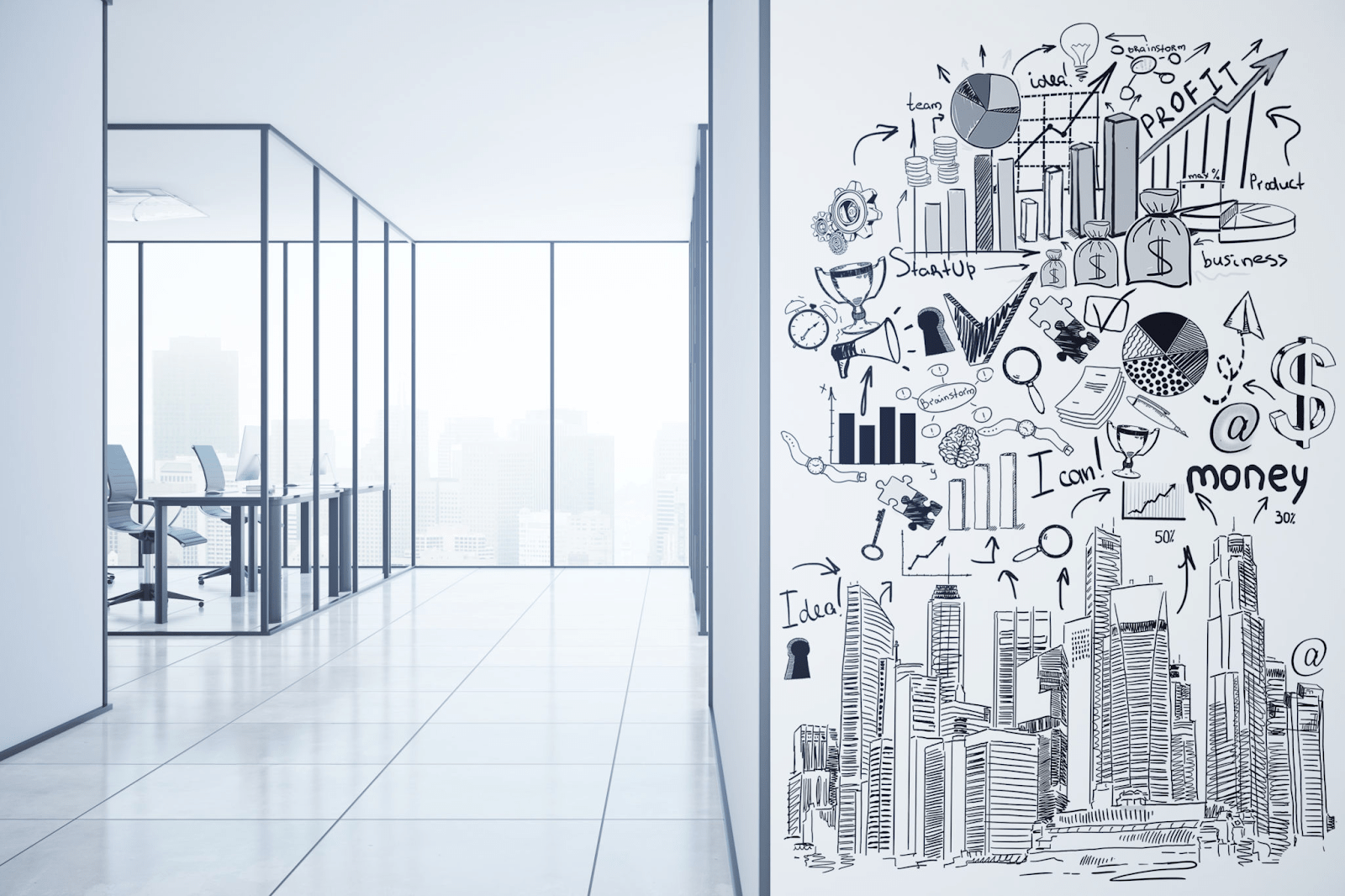
Among the many whiteboard wall benefits is the fact that writing on a vertical plane requires standing up while making large motor movements. Research has shown that writing on vertical learning surfaces like whiteboard walls stimulates different parts of the brain than sitting and typing. This fact aligns with the current trend toward “neuro-inclusive” office designs. Such workplaces accommodate diverse cognitive styles (e.g., ADHD, autism, dyslexia) and discourage sedentary or deskbound work habits.
The contemporary workplace is going through a transformation driven by neurodiversity and increased collaboration among team members. The term neurodiversity refers to the range of differences in people with respect to brain function and behavioral traits. These differences are part of the normal variation among human beings, and may be addressed by using whiteboard walls in schools and businesses.
Companies are no longer just buying office supplies. Instead, they’re designing workspaces that help workers of all cognitive styles feel comfortable enough to express their emotions and creativity. This includes those who are naturally restless due to attention deficit hyperactivity disorder (ADHD).
With whiteboard paint, you can create an ADHD-friendly workspace where highly active team members are able to productively release their energy. The vast expanse of a whiteboard wall allows even the most energetic of employees to write and draw large amounts of content for as long and as fast as they want.
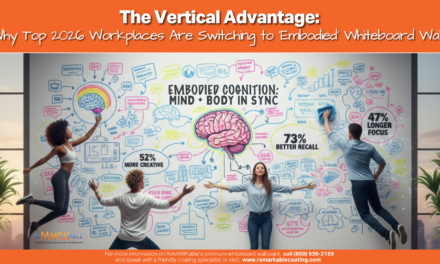
This approach reflects the concept of “embodied cognition,” the fact that the mind and body are interconnected. And when hyperactive team members are allowed to use both their mental and physical skills to create content on a vertical surface, they flourish. They feel their need for high activity is being met.
Thus, when you install top-quality whiteboard paint in your workplace, you address a natural trait. You become an expert in “cognitive ergonomics,” ensuring a positive interaction between work, the office environment, and employees’ individual needs, abilities, and limitations.
The Science of Embodied Whiteboard Walls: Why Standing Beats Typing
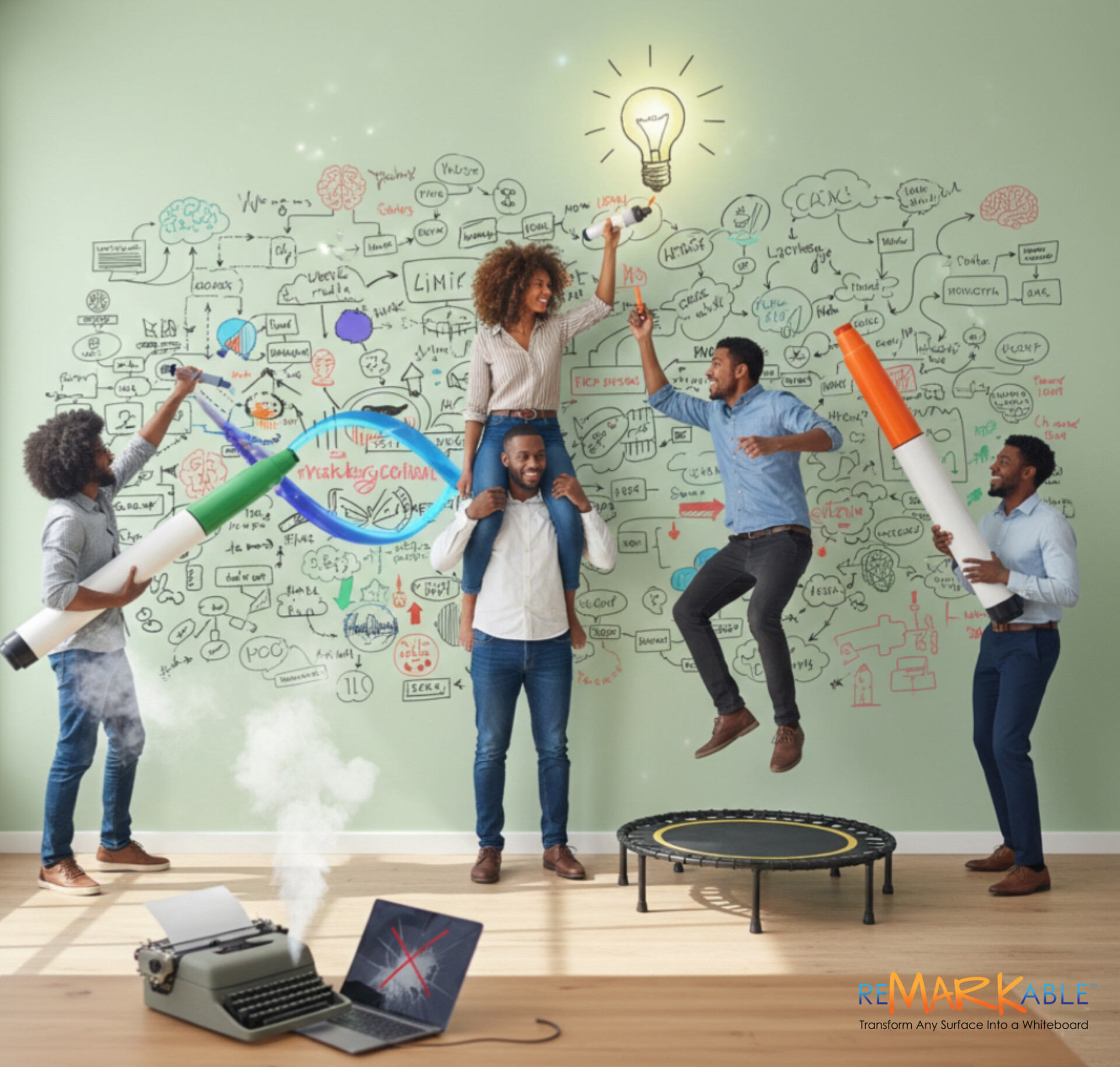
As mentioned, while standing and using large motor movements to write on a wall, workers activate neural pathways that are different from those triggered by sitting and typing. That being the case, brainstorming becomes a whole new form of work in terms of the following factors:
- Duration of Focus: Analog communication tools, such as whiteboard walls, increase sustained focus by as much as 47% compared to digital tools like computers or tablets.
- Idea Generation: Handwritten brainstorming generates 52% more creative solutions than does typing on a digital device.
- Recall: After one week, handwriting results in 73% better retention of complex information than does digital typing.
Based on these advantages, using dry erase paint for agile teams becomes an obvious choice for the workplace in 2026.
Creating a Neuro-inclusive Office Design for 2026
The screens on digital devices like desk computers and laptops create “visual noise.” This term refers to the disordered elements in our visual environment that disrupt concentration and cognitive processes. Just as acoustic noise can make it hard to hear a conversation, visual noise can make it hard to focus on a specific task or to grasp information.
This phenomenon can pose a special problem for people with ADHD. Those who have ADHD or developmental dyslexia (DD) tend to experience more visual problems, oral language difficulties, and diminished reading skills. Moreover, these conditions also create increased internal noise and most likely a weakened ability to filter external visual noise. Thus, ADHD and DD team members can have trouble working with digital devices that generate excessive visual clutter.
In contrast, these employees are able to work with less stress and more creative expression on a whiteboard wall. That’s because the wall is a “passive interface” that allows workers to convey their cognitive content through writing and drawing without interference from digital visual noise.
Other issues related to using digital screens are as follows:
- Digital eye strain: In 2025, 69% of knowledge workers reported experiencing computer vision syndrome (CVS). This condition is caused by focusing the eyes on a computer or other digital display device for extended periods. In such cases, the eye muscles can’t recover from the constant tension needed to stay focused on a nearby object.
- The screen inferiority effect: Research shows that reading and processing information on digital screens results in lower comprehension compared to doing so on large physical surfaces like whiteboard painted walls.
- Focal vision: Small screens lead to excessive reliance on focal vision, which can create stress for users. In contrast, large vertical surfaces such as writable walls engage panoramic vision, which activates the body’s parasympathetic nervous system, inducing a calm state.
- Research shows that our stress levels diminish when we engage in panoramic vision. That means looking straight ahead and letting our peripheral vision open up.
Unlike using focal vision to concentrate on one object, like a computer screen, using panoramic vision to write on a whiteboard wall diminishes our ability to see details. This allows us to see the bigger picture, boosting our reaction time and reducing our stressful responses to events. In this way, writing and drawing on a whiteboard wall can be seen as forms of therapy.
Neuroaesthetic Design: Boosting Vertical Collaboration
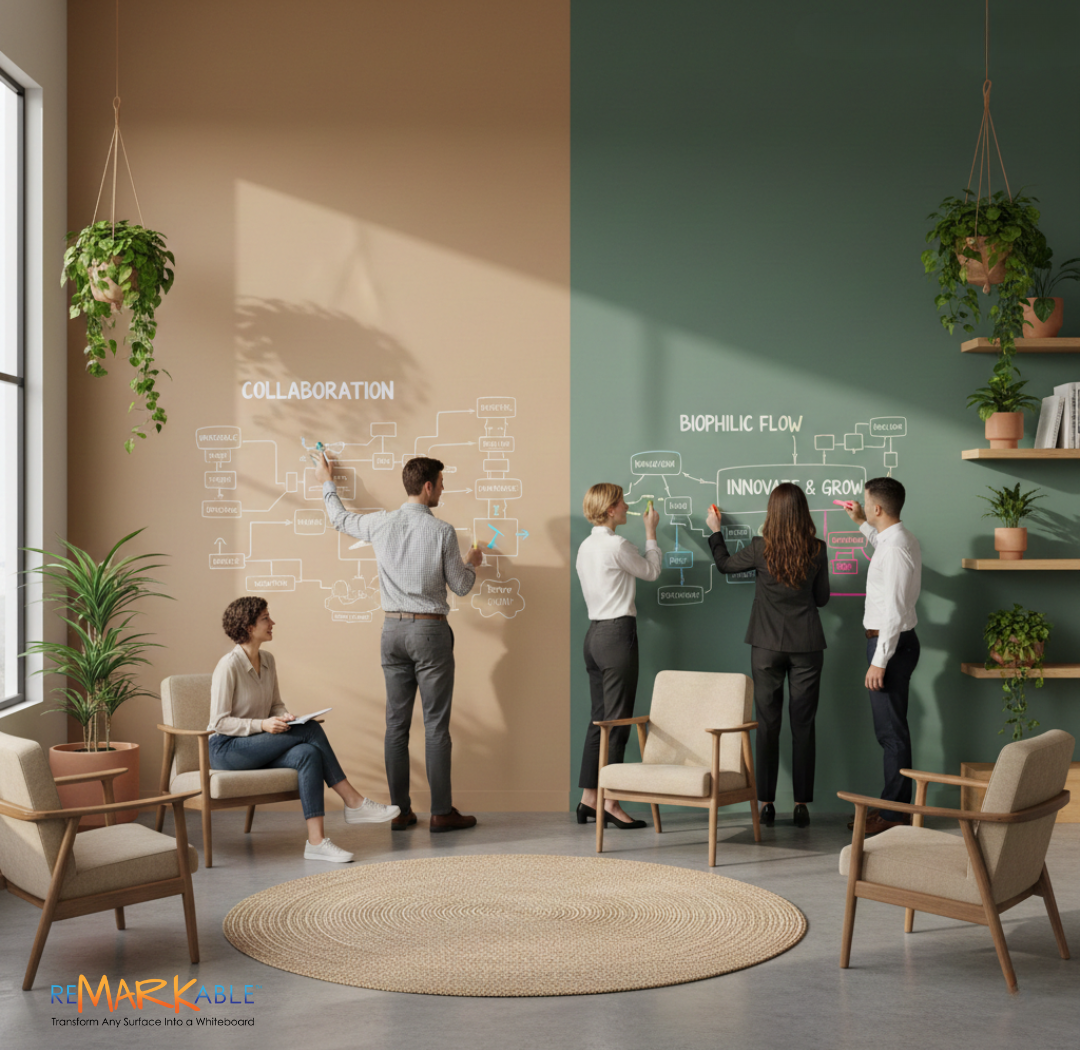 Besides the above-mentioned stress-reducing features, the mere aesthetics of whiteboard walls, namely, their seamless, cohesive, and eye-catching appearance, are vital for lowering anxiety and encouraging creative use by workers. In fashioning a workplace with neuro-aesthetic design in mind, you link the space’s appearance and ambiance with the emotional and cognitive needs and responses of your workers.
This approach will help give them a feeling of engagement, of being stimulated by their work environment. And this in turn will trigger emotions and spark a more dynamic experience when collaborating and doing their daily tasks. Thus, there’s more to creative office design than meets the eye.
If you want to let your team enter the workspace and feel at ease and ready to work right away, here are some elements to consider when developing your neuroaesthetic interior.
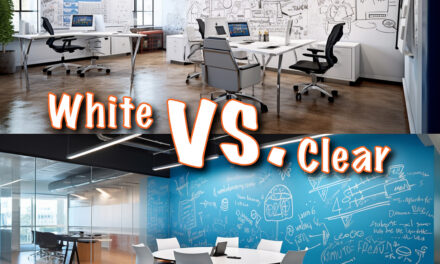
Biophilic Integration: Clinical white-colored whiteboards may feel sterile and stressful for some workers. You can avoid this problem by using clear dry erase paint over trending 2026 light earth tones inspired by nature (e.g., ‘Sherwood Tan’ or ‘Hidden Gem’).
In this way, you’ll create a low-anxiety, comfortable workspace that invites team members to participate in brainstorming, project development, and other tasks. You’ll be in sync with the current biophilic design trend, where natural elements and colors are incorporated into interior spaces to enhance well-being.
Contrast Rules: For walls painted in darker “moody” tones (light reflectance value < 50), have your team use neon or white liquid chalk markers to ensure high visibility of text and graphics.
Achieving Cognitive Clarity with Zero-Ghosting Surfaces
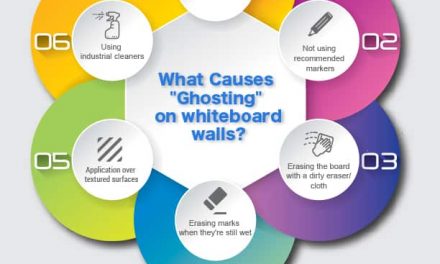
Another key factor in fostering a low-stress, neuro-inclusive workplace is the need for regular maintenance. Just like working with a digital screen, a dirty wall full of smudges and ghost marks (remnants of previous dry erase markings) creates visual noise. This inhibits the free flow of thoughts and images in workers’ minds and hinders creativity. Factors related to this issue are the following:
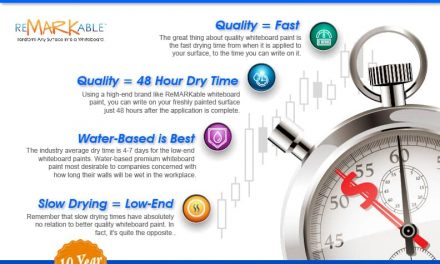
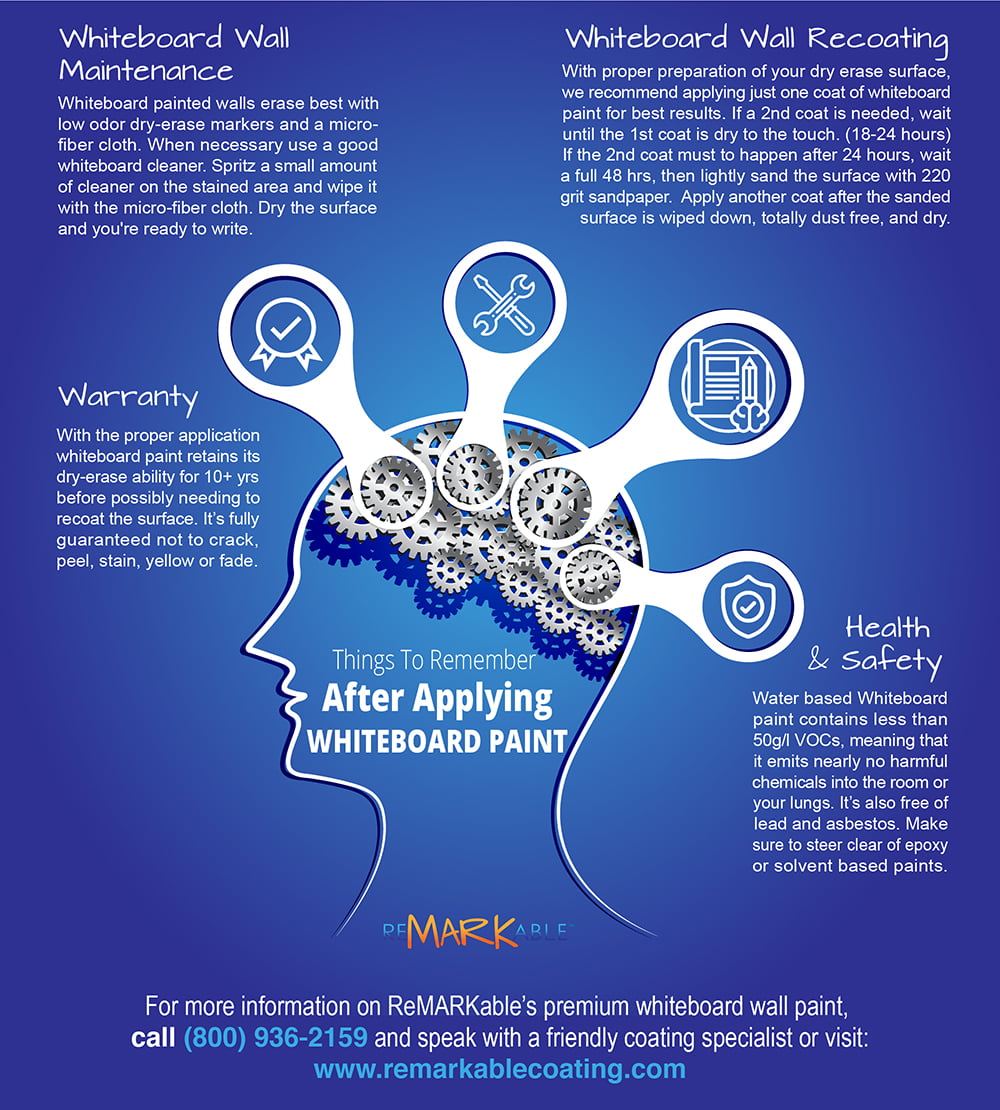
Paint Density and Cure Time: Ghosting is due to a failure of surface density. ReMARKable Whiteboard Paint cures in just 48 hours and creates a denser, tighter surface matrix than those of whiteboard paints that take seven days to cure. For this reason, it prevents ink penetration and ghosting, which can cause visual noise or clutter.
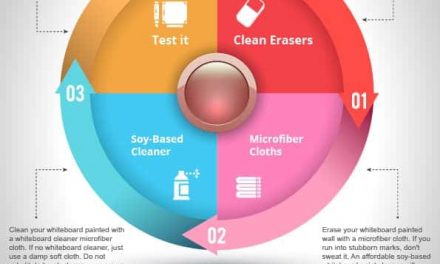
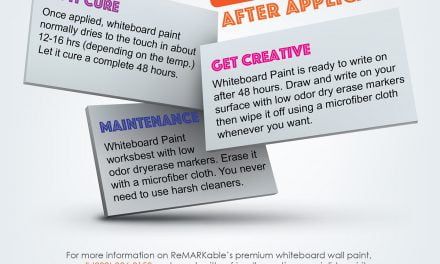
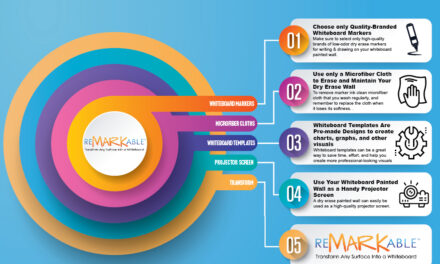
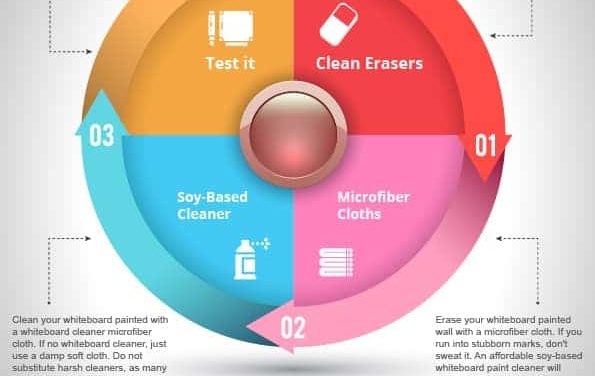
Maintenance: To maintain your whiteboard wall’s “cognitive clarity,” it’s important to use only microfiber cloths for cleaning. In this way, you’ll effortlessly lift dry erase ink dust from the surface rather than grinding it into the wall with an eraser or paper towel.
Based on their many advantages as communication tools in cutting-edge, neuro-aesthetically designed workplaces, switching to whiteboard walls is an obvious option for 2026.

![Giant Leaps Forward Require Big Spaces. [Leap Year Sale Event!]](https://www.remarkablecoating.com/wp-content/uploads/2016/02/Giant-Leaps-ForwardRequire-Big-Spaces-440x264.jpg)


![30% Off St Patrick’s Day Sale! [Details Inside]](https://www.remarkablecoating.com/wp-content/uploads/2016/03/Glorious-1-440x264.png)

![Drive Your Organization Into Openness and Watch it Expand [20% Off Whiteboard Paint]](https://www.remarkablecoating.com/wp-content/uploads/2016/04/Drive-Your-Organization-Into-Openness-and-Watch-It-Expand.-1-440x264.jpg)










![ReMARKable’s Winter Sale is Here! [25% Off + Free Shipping]](https://www.remarkablecoating.com/wp-content/uploads/2018/01/Red-Tag-Winter-Fashion-Facebook-Post-1-440x264.png)



![ReMARKable Summer Sale 2018 [28% Off Whiteboard Paint]](https://www.remarkablecoating.com/wp-content/uploads/2018/06/Blue-Simple-Line-Beach-Facebook-Post-1-440x264.png)




































































































0 Comments