Whiteboard Paint vs. Traditional Surfaces: A Definitive Comparison
Introduction: Why Whiteboard Paint is Changing the Architecture of Collaboration
High-quality whiteboard paint transforms any wall into a versatile, high-performance writing surface. Traditional dry-erase boards and chalkboards limit creativity and create unnecessary mess. In today’s workplaces, these constraints are no longer acceptable.
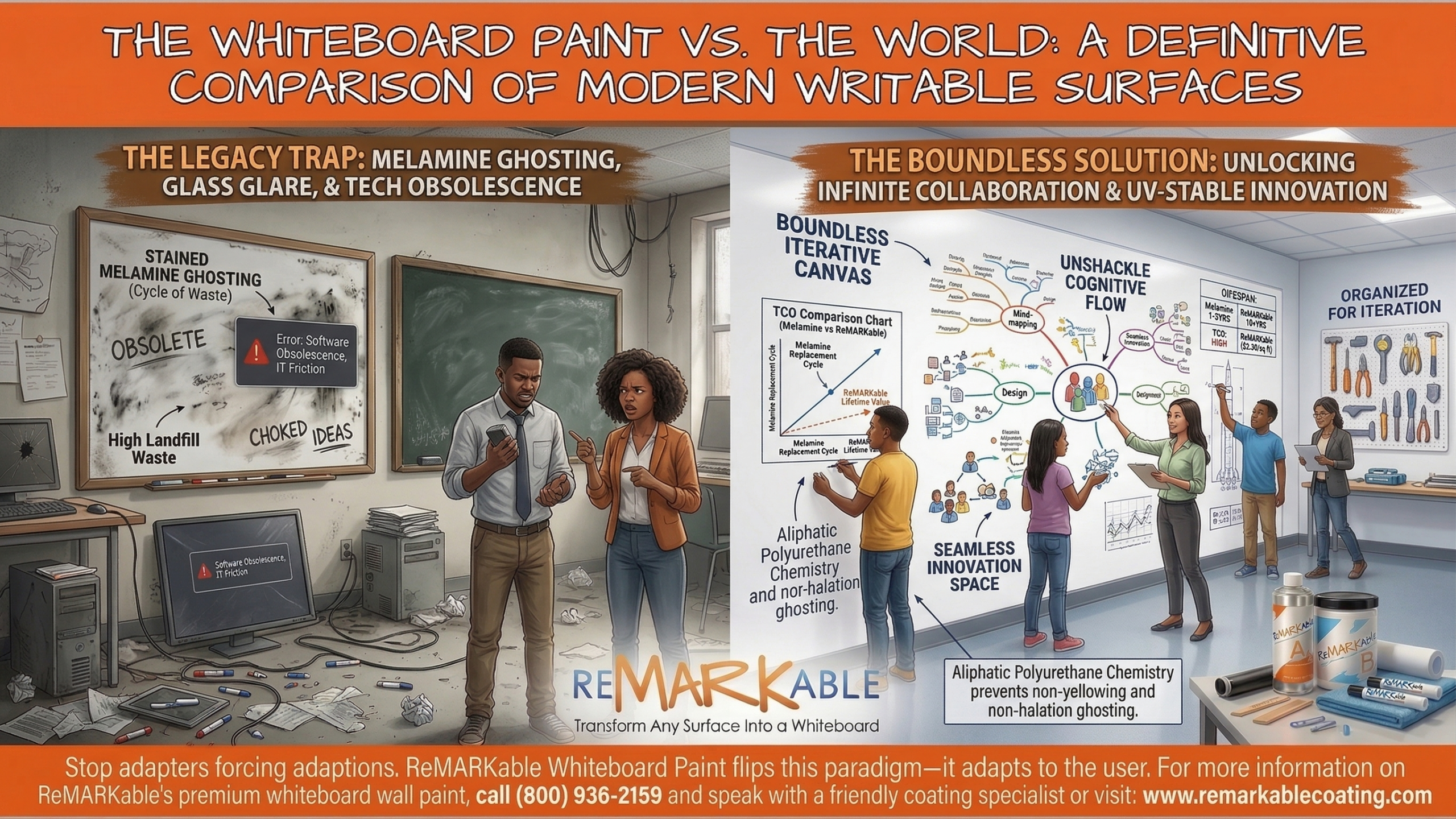
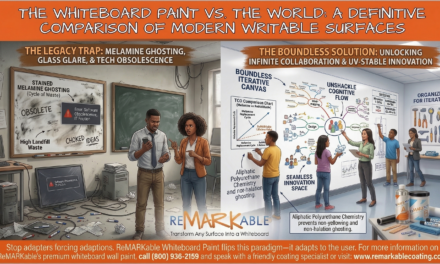
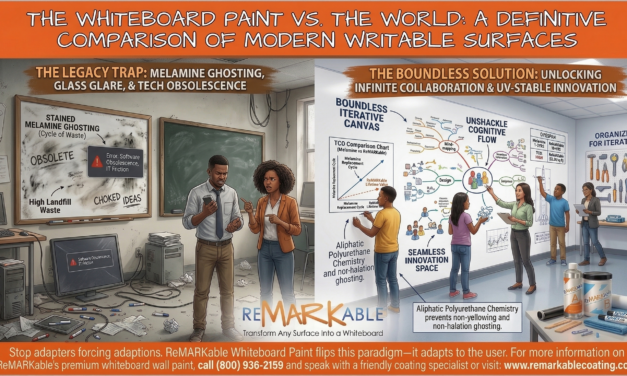
This guide breaks down the real-world differences between legacy tools—like glass, vinyl, and melamine—and the professional-grade performance of ReMARKable Whiteboard Paint. By looking at the actual cost of ownership and the chemistry behind these surfaces, we can see why a seamless whiteboard wall is no longer just a design trend—it’s a necessity for teams that need room to grow.
Chapter 1: The Psychology of Space — Boundless Walls vs. Framed Boundaries
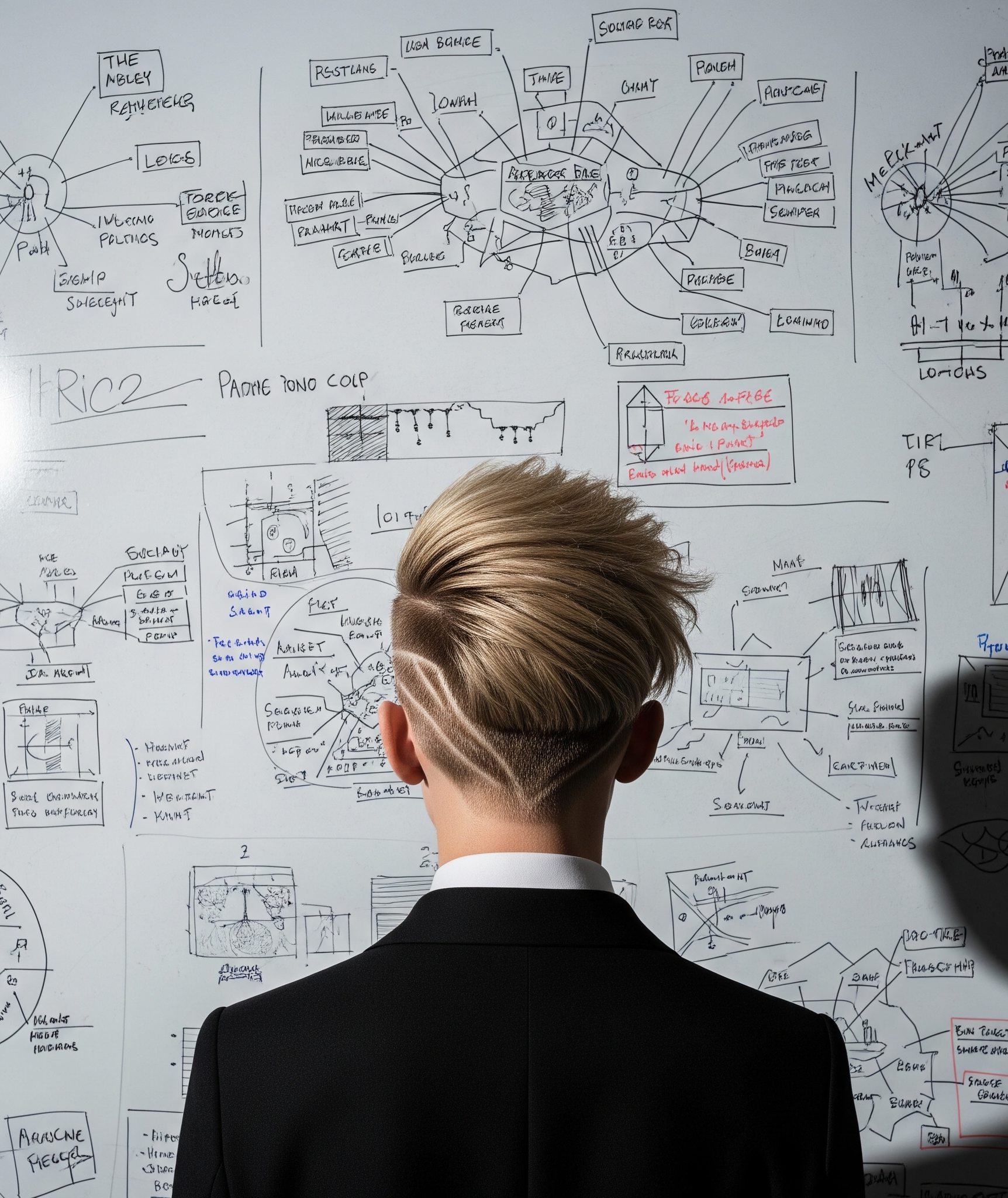
Physical boundaries often create cognitive ones. When you use a standard 4’x6’ board, you are subconsciously told that your idea has a “limit.” Once the space is full, you’re forced to erase something important just to keep going. This “framed thinking” leads to truncated solutions and lost data.
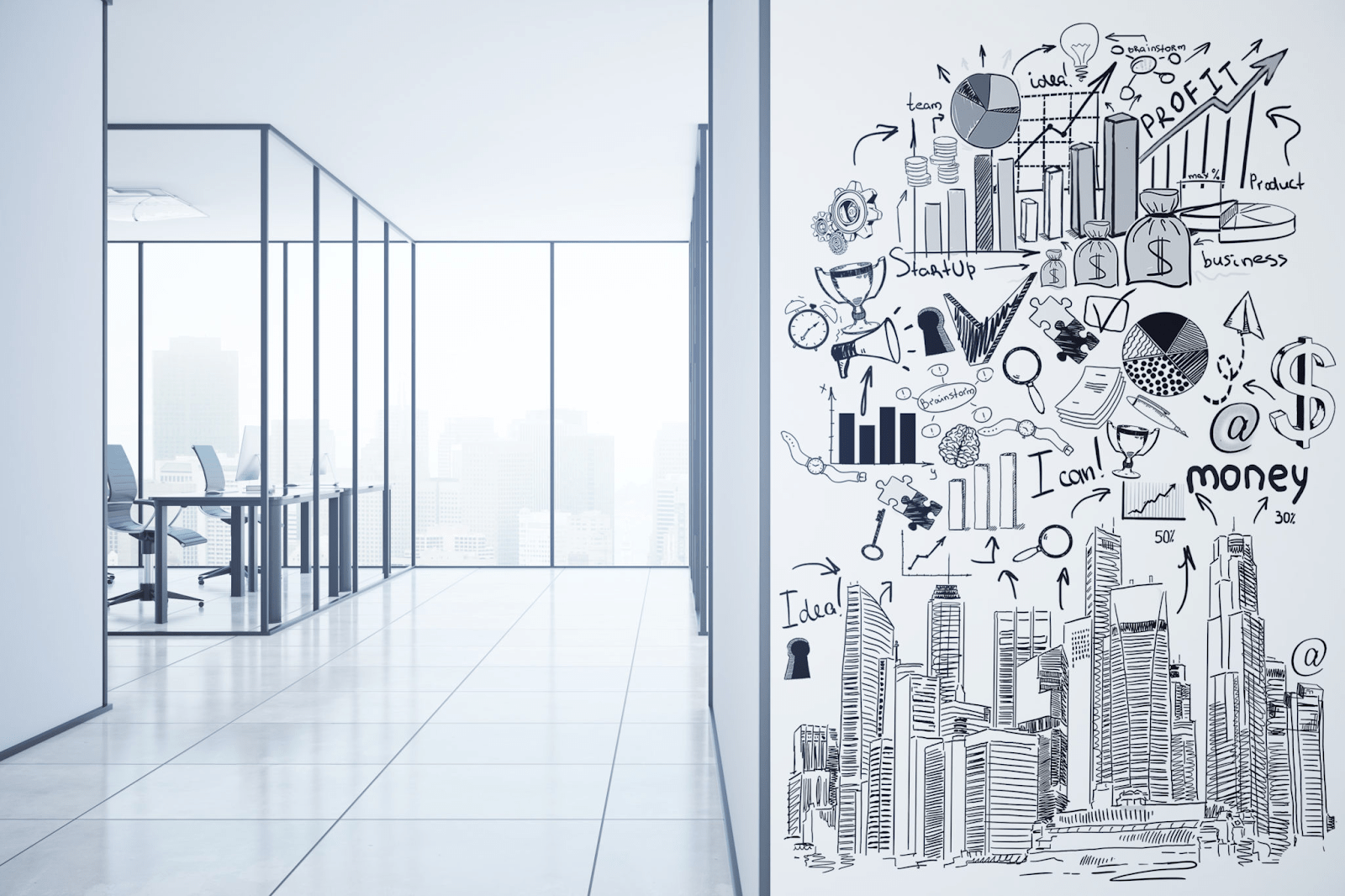
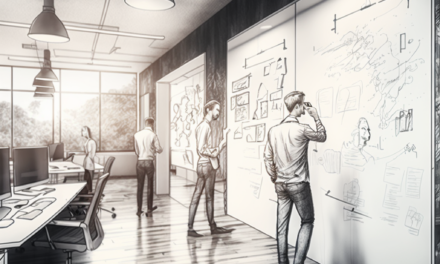
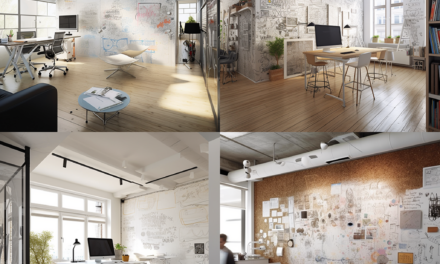
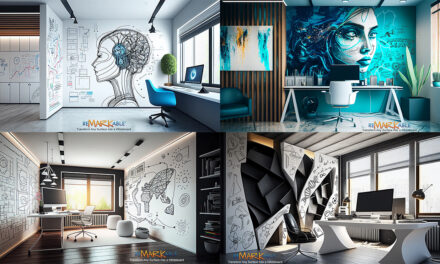
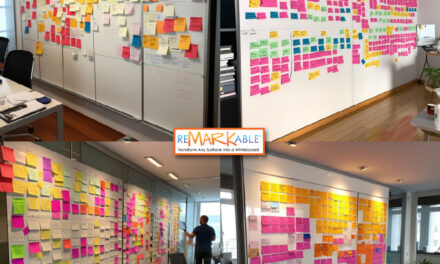
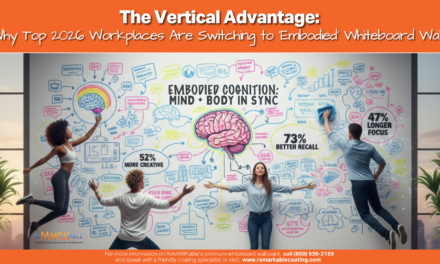
By utilizing whiteboard paint to create a floor-to-ceiling surface, you remove those mental handbrakes. It allows for full-body movement, sprawling mind maps, and lets multiple people work side-by-side without getting in each other’s way. A permanent whiteboard wall stays with the project, allowing complex timelines or blueprints to remain visible for days, which keeps the creative momentum alive. This “persistence of memory” in a workspace ensures that the context of a project isn’t lost between meetings.
Chapter 2: The Chalkboard Relic — The Hidden Hazards of Nostalgia
While chalkboard paint has seen a “vintage” resurgence in boutique offices and cafes, it is fundamentally incompatible with a modern, high-functioning workspace. The limitations go far beyond aesthetics; they extend into the realm of occupational health and equipment maintenance.
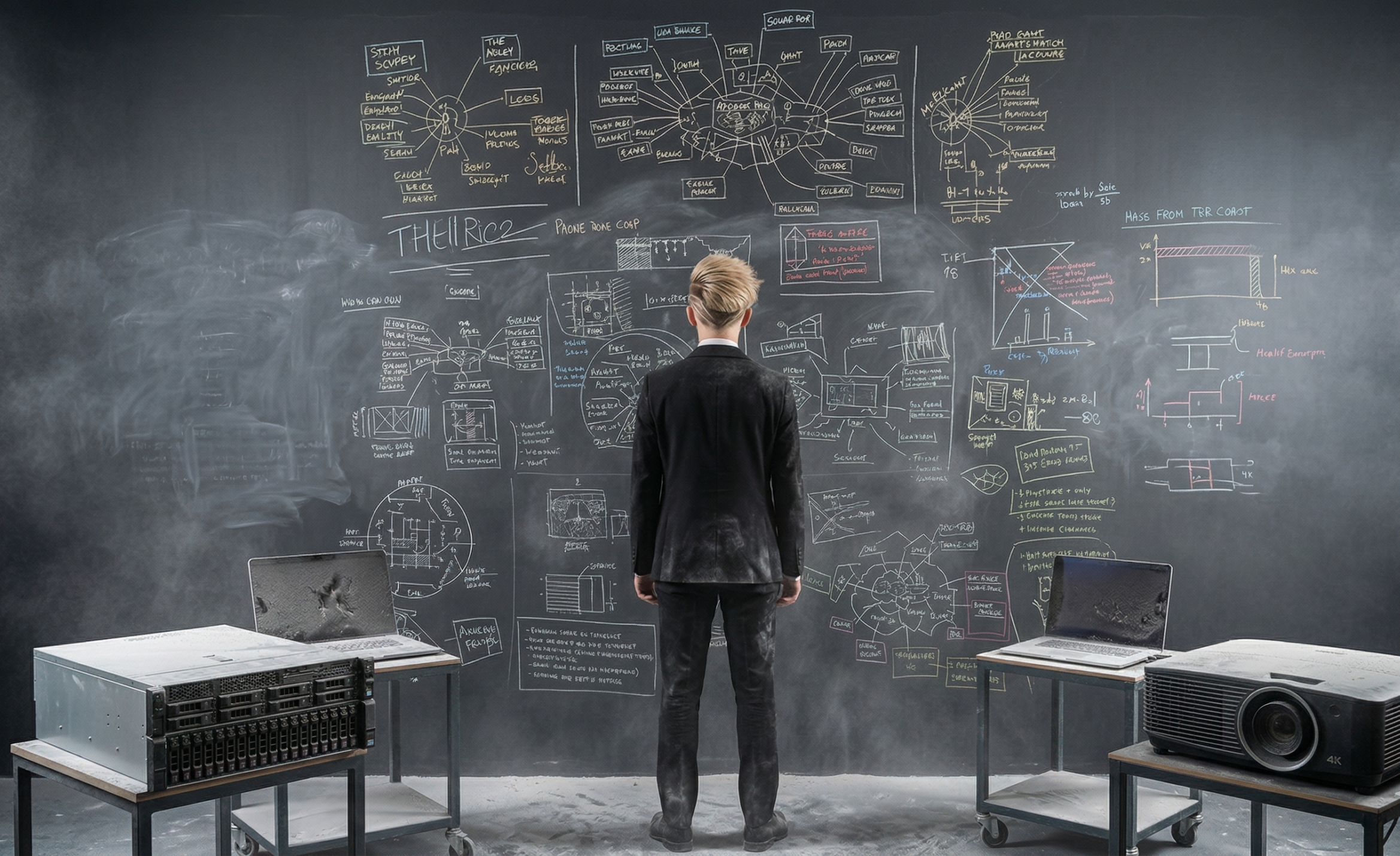
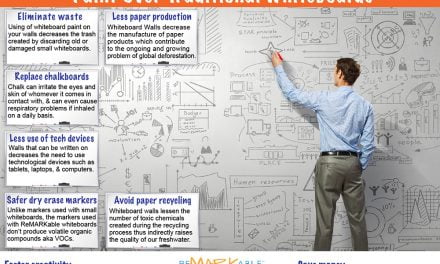
- The Respiratory Crisis: Every time a chalkboard is erased, it releases fine particulate matter into the air. Standard chalk is composed of calcium sulfate or calcium carbonate. Studies on indoor air quality (IAQ) show that these particles can remain suspended for hours, acting as a primary trigger for employees with asthma, allergies, or chronic respiratory issues. In a closed office environment with recirculated air, this “chalk fog” becomes a persistent health irritant.
- The Technology Silent Killer: Modern offices are packed with expensive hardware—servers, high-end laptops, and 4K projectors. Chalk dust is abrasive and electrically conductive. As it settles, it is sucked into the intake vents of these devices, coating internal motherboards and clogging cooling fans. This leads to overheating and premature hardware failure. By choosing whiteboard paint, you aren’t just protecting your lungs; you are protecting your IT investment.
- The Erasability Gap: Chalkboards are naturally porous. Over time, the “ghosts” of previous meetings become permanently etched into the surface. This requires frequent deep-cleaning with specialized chemicals just to keep the wall legible. In contrast, a whiteboard wall provides a non-porous, glass-like membrane that wipes clean every time.
- Optical Fatigue: Reading white text on a dark background causes a phenomenon known as “halation.” The eye’s iris opens wider to take in light from the white text, but because the background is dark, the light scatters, creating a “fuzzing” effect. This leads to significantly faster eye fatigue compared to the high-contrast, black-on-white clarity of a professional dry-erase surface.
Chapter 3: Traditional Whiteboards — The “Cheap” Trap and The Cycle of Waste
The traditional framed whiteboard is often the “default” choice for many office managers because the upfront sticker price seems low. However, when you analyze the Total Cost of Ownership (TCO), the traditional board is revealed to be a wasteful and inefficient tool.
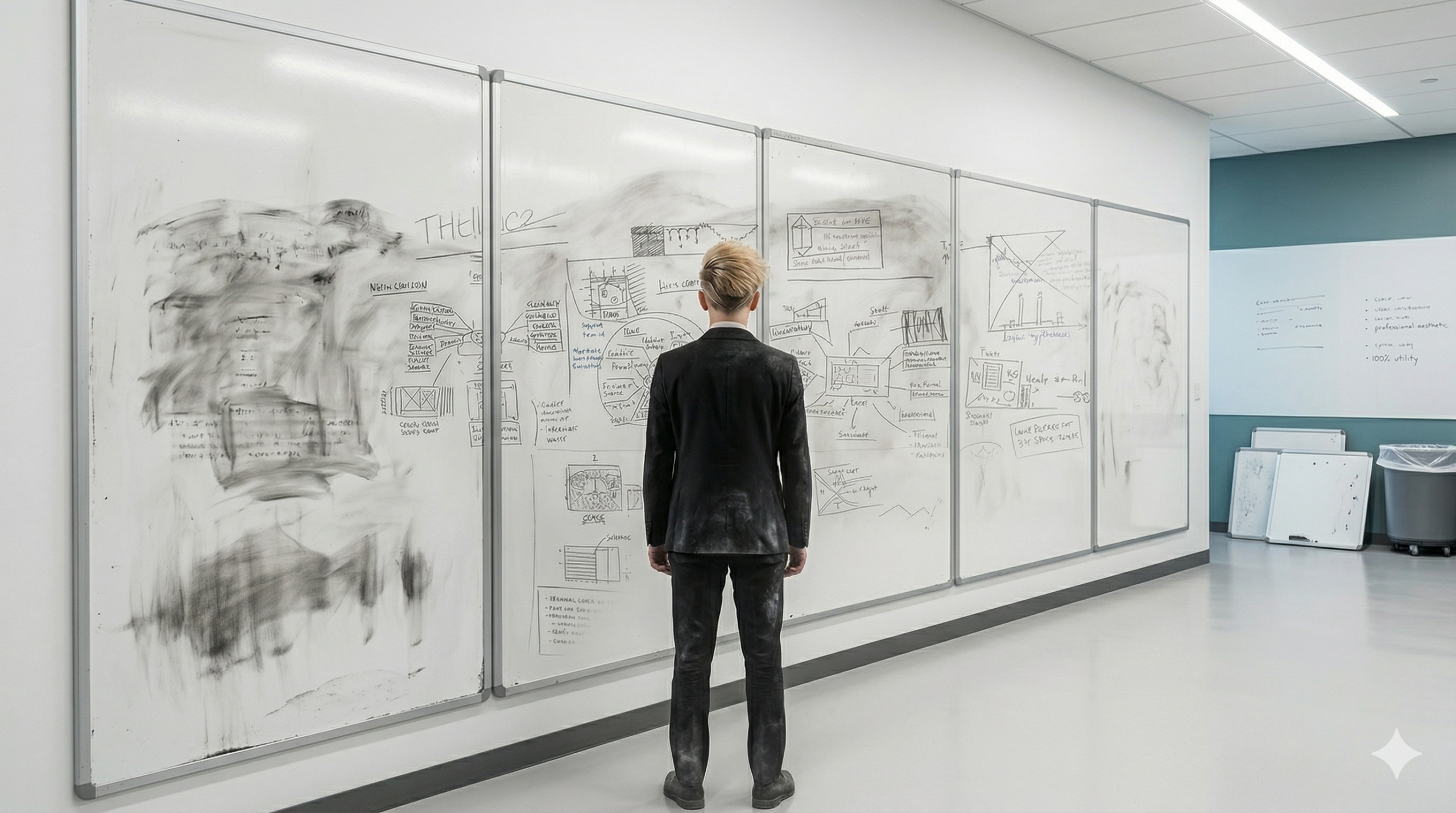
- The Melamine Degradation Curve: Most budget whiteboards are made of melamine—a resin-permeated paper bonded to a wood-fiber core. This material has a “performance shelf-life.” After roughly 12 to 18 months of daily use, the microscopic top layer wears away, exposing the porous paper beneath. Once this happens, the board begins to “stain” or “shadow,” absorbing ink that cannot be removed.
- The Hidden Installation Costs: To install a single 4’x8’ traditional board, you need a two-person team, heavy-duty wall anchors, and a level. If you want to cover a 20-foot wall, you have to buy multiple boards, leaving “dead zones” where the aluminum frames meet. This creates a disjointed workspace where ideas are literally cut in half by a metal bezel.
- Environmental Impact: Traditional boards are a nightmare for sustainability. They are composite products made of treated wood, aluminum, and plastic resins—materials that are incredibly difficult to separate and recycle. Consequently, millions of “ghosted” whiteboards end up in landfills every year.
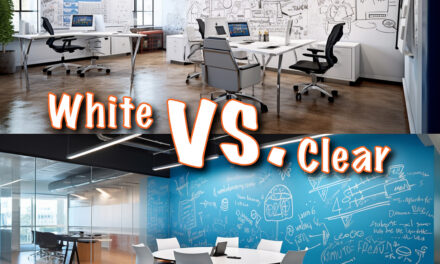
- Design Clutter: In a modern, minimalist office, bulky silver frames are an eyesore. They break up the clean lines of the architecture. Whiteboard paint, especially in a clear finish, allows the function of the room to disappear when not in use, maintaining the professional aesthetic of the space while providing 100% utility.
Chapter 4: The Tech Trap and Glass Illusion — High Costs, Low Versatility
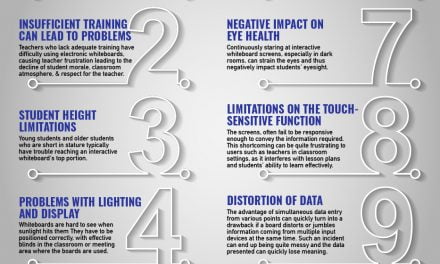
As companies look to “premium-ize” their offices, they often turn to Interactive Smartboards or Glass Boards. While these look impressive during a sales demo, the daily reality is often one of frustration and “friction.”
- The Smartboard Obsolescence: An interactive display is essentially a giant tablet glued to the wall. The moment you buy it, the hardware is already aging. Within five years, the processors will be slow, the software will no longer be supported, and the touch-sensitivity will lag. You are effectively paying $5,000 for a tool that has a guaranteed “expiration date.” Furthermore, they limit collaboration to a single user at a time—you cannot have five people “writing” on a smartboard simultaneously without digital chaos.
- The Glass Board Glare: Glass boards are the darlings of interior designers, but they are a nightmare for users. Because glass is a second-surface writable material (you are writing on a layer above the color), it creates a “drop shadow” behind your text, making it harder to read. Most glass boards are highly reflective; if your office has large windows or bright overhead LEDs, the glare can make the board unusable for anyone sitting at a distance.
- The Marker Problem: Standard dry-erase markers perform poorly on glass. The ink often “beads up” or looks translucent. To get a clear line, you have to use specialized “Glass Markers” which are oil-based, high-VOC, and notoriously difficult to erase once they’ve sat for more than an hour.
- The Seamless Solution: Whiteboard paint offers the best of both worlds. It gives you the high-end, sleek look of glass without the glare, the weight (glass boards are dangerously heavy), or the specialized marker requirements. It turns your wall into a high-gain projection screen that is “always on” and never needs a software update.
Chapter 5: The Chemistry of Longevity — Epoxy vs. Aliphatic Polyurethane
This is the part most people miss: what is the paint actually made of?
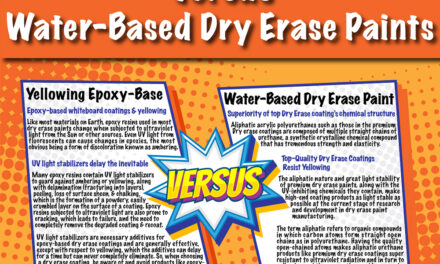
- The Epoxy Problem: Most “DIY” whiteboard paints use epoxy. These contain “aromatic” chemicals that react to UV light. Even indoor office lights will eventually turn an epoxy wall a nasty, yellowish-amber color.
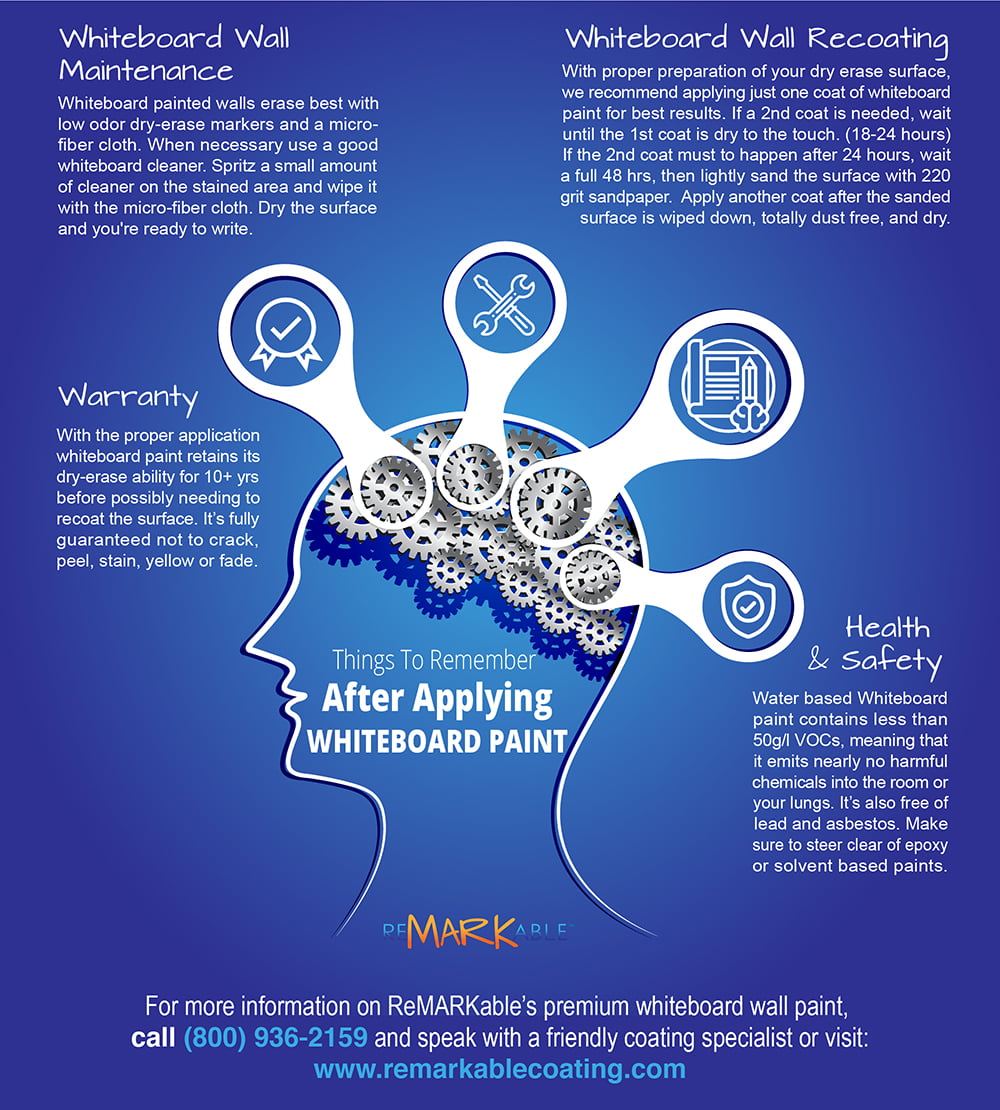
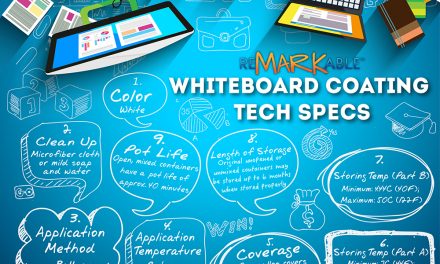
- The Polyurethane Solution: ReMARKable uses a two-part, water-based aliphatic polyurethane. Because it’s “aliphatic,” its molecular structure is immune to UV damage.
- The Comparison: This is why we can offer a 10-year warranty. Your whiteboard wall will stay as white and clean as the day you painted it.
Chapter 6: Strategic Application — Turning Architecture into Infrastructure
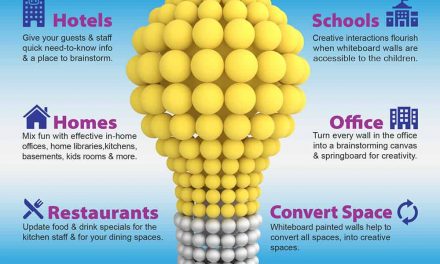
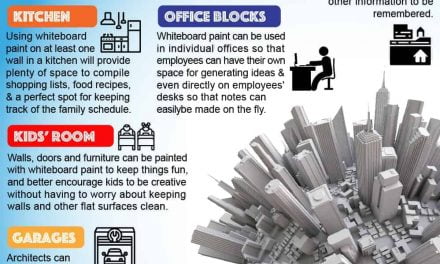
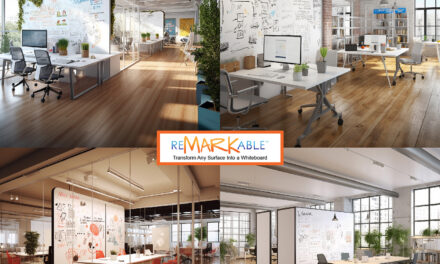
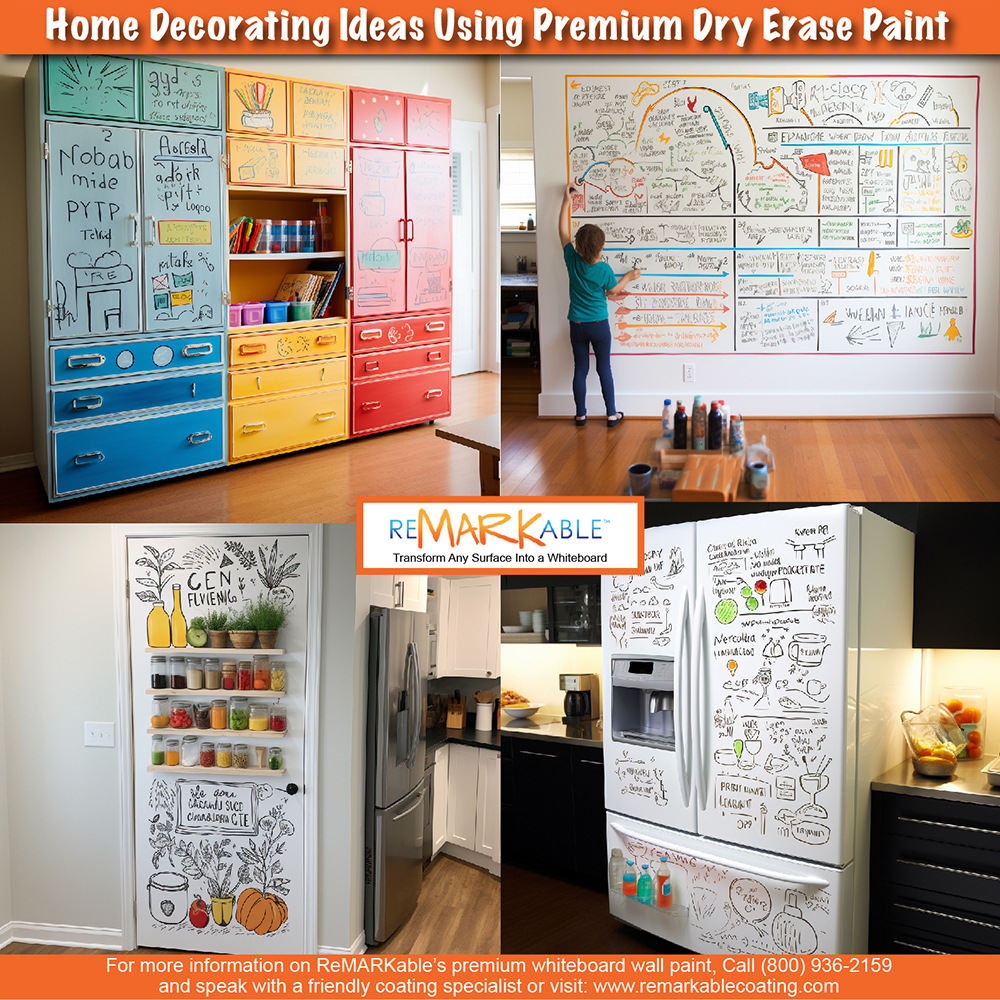
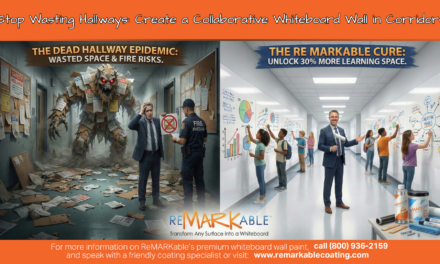
One of the most overlooked benefits of whiteboard paint is its ability to transform non-traditional surfaces. In a modern office, space is a premium. By applying a whiteboard coating to doors, structural columns, or even the tops of conference tables, you reclaim “dead space” and turn it into a collaborative asset.
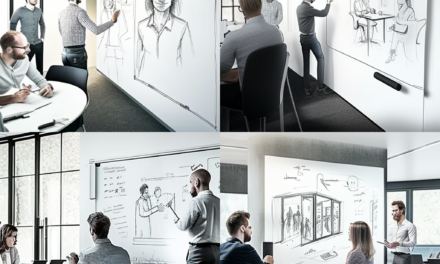
For project managers, this means the room itself becomes a dashboard. Instead of toggling between digital tabs or squinting at a small monitor, a team can stand before a 20-foot wall that displays the entire project lifecycle. This kinesthetic approach—where people physically move and point to data—has been shown to increase engagement and retention during “Sprint” planning and Agile scrums.
Chapter 7: Lighting, Acoustics, and Optical Ergonomics
The finish of your writable surface significantly impacts the comfort of the room.
- Light Diffusion: Traditional glass boards create “hot spots” of reflected light that can be blinding. ReMARKable is formulated with a controlled gloss level that diffuses light more evenly, making it much more comfortable for long-term viewing.
- Projection Mapping: Because the surface is a single, monolithic layer, it acts as a perfect high-gain projection screen. You can project a spreadsheet onto the wall and draw directly over the data to highlight trends or make corrections in real-time.
- Acoustic Harmony: Unlike heavy glass or metal boards that can cause sound to “bounce” and create echoes in a room, a painted whiteboard wall maintains the natural acoustic properties of your drywall, helping keep noise levels manageable in open-plan offices.
Chapter 8: Health, Safety, and the Bottom Line
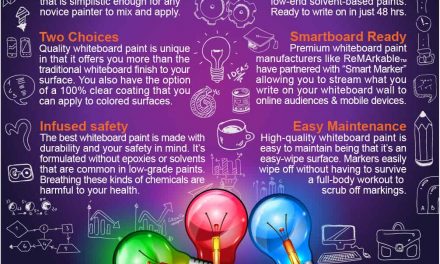
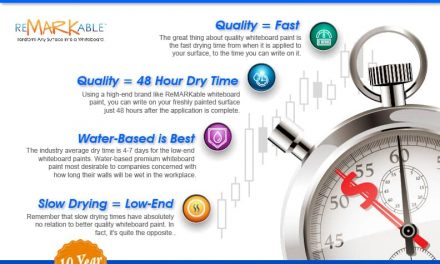
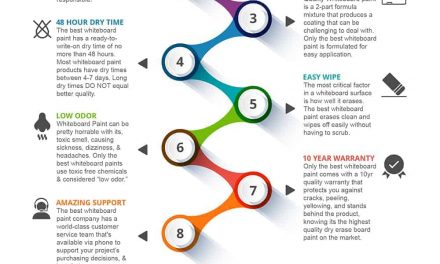
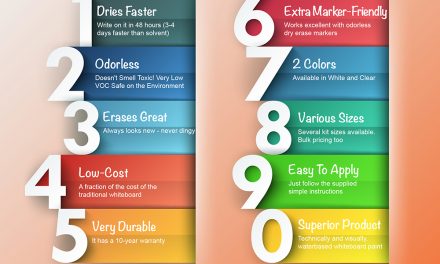
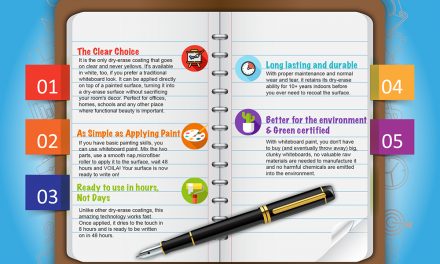
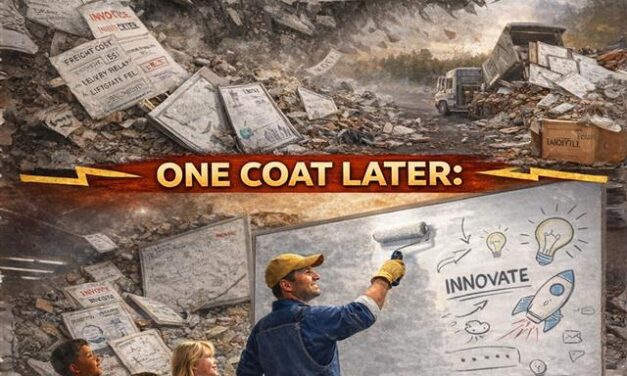
- One-Coat Efficiency: While competitors make you wait a week, ReMARKable is a one-coat system that is ready to use in just 48 hours.
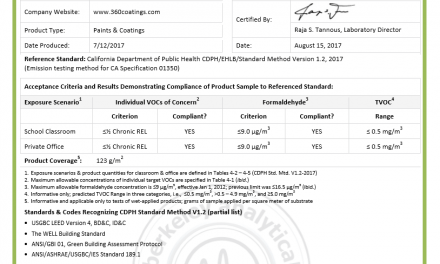
- Eco-Safety: We are LEED-compliant with ultra-low VOCs. It’s virtually odorless and safe to use in active schools or small home offices without toxic fumes.
The Comparative Landscape: At a Glance
|
Cost per Sq. Ft.
|
$2.30 – $4.00
|
$20.00 – $35.00 | $45.00 – $100.00 | $1.50 – $3.00 |
|
Expected Life
|
10+ Years
|
1–3 Years | 10+ Years | 6–18 Months |
|
Time to Use
|
48 Hours
|
Immediate | Immediate | Immediate |
|
Visual Look
|
Seamless / Bezel-Free
|
Bulky Frames | High Reflectivity | Seams / Bubbles |
The Future is Boundless
Stop trying to fit your ideas into a box. ReMARKable Whiteboard Paint turns your existing walls into a professional-grade tool that invites collaboration and saves money over time. When you remove the frames, you remove the limits.
The future is not framed. The future is boundless.
Frequently Asked Questions (FAQ)
Q: Is it hard to apply?
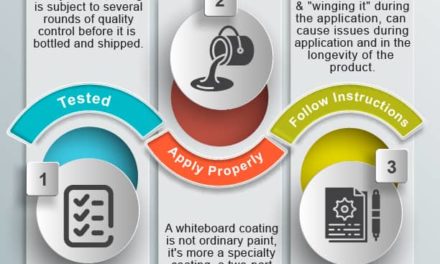
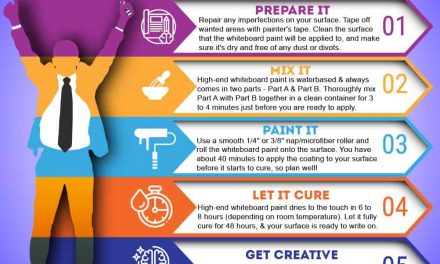
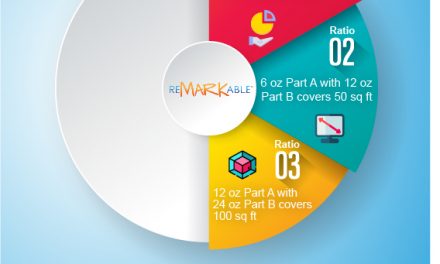
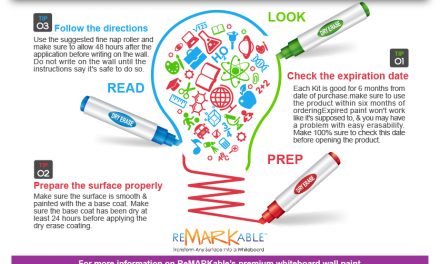
A: Not at all. It’s a simple one-coat application. Just make sure your wall is smooth and primed with a high-quality water-based base paint first.
Q: Can I use it over a colored wall?
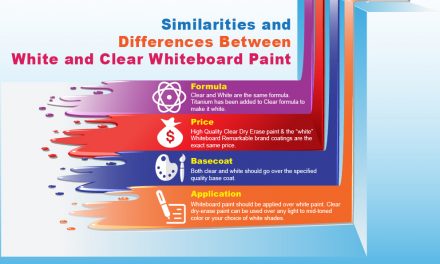
A: Yes! ReMARKable Clear lets you turn a blue, green, or grey wall into a whiteboard without losing the color. For a classic look, use ReMARKable White.
Q: What markers do I need?
A: Any standard, low-odor dry-erase markers work perfectly.
![Giant Leaps Forward Require Big Spaces. [Leap Year Sale Event!]](https://www.remarkablecoating.com/wp-content/uploads/2016/02/Giant-Leaps-ForwardRequire-Big-Spaces-440x264.jpg)



![30% Off St Patrick’s Day Sale! [Details Inside]](https://www.remarkablecoating.com/wp-content/uploads/2016/03/Glorious-1-440x264.png)

![Drive Your Organization Into Openness and Watch it Expand [20% Off Whiteboard Paint]](https://www.remarkablecoating.com/wp-content/uploads/2016/04/Drive-Your-Organization-Into-Openness-and-Watch-It-Expand.-1-440x264.jpg)










![ReMARKable’s Winter Sale is Here! [25% Off + Free Shipping]](https://www.remarkablecoating.com/wp-content/uploads/2018/01/Red-Tag-Winter-Fashion-Facebook-Post-1-440x264.png)


![ReMARKable Summer Sale 2018 [28% Off Whiteboard Paint]](https://www.remarkablecoating.com/wp-content/uploads/2018/06/Blue-Simple-Line-Beach-Facebook-Post-1-440x264.png)























































































0 Comments