
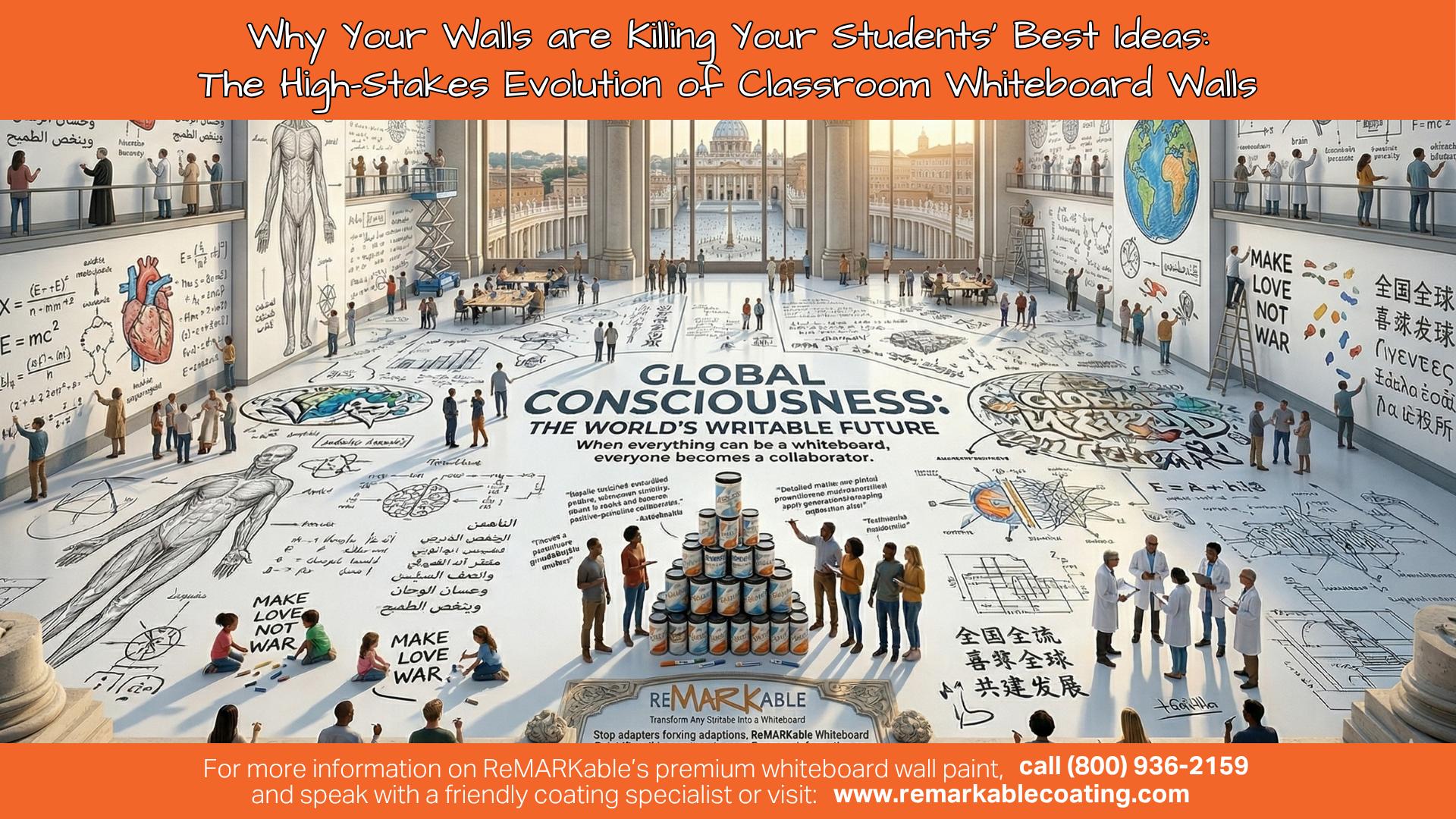
Classroom Whiteboard Walls: The Future of Active Learning
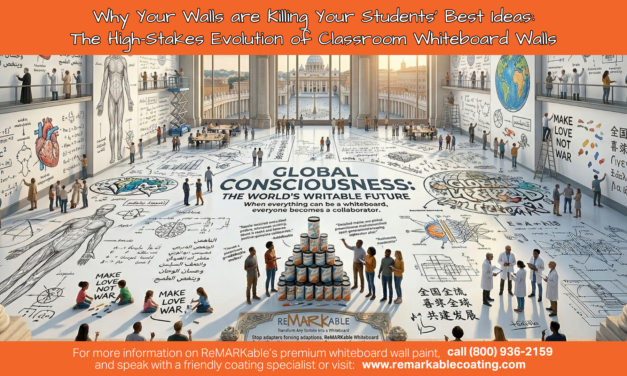
Classroom whiteboard walls are rapidly becoming the cornerstone of the modern “Active Learning” environment, effectively rendering the traditional framed dry erase board a relic of the past. Imagine a university lecture hall or a primary school classroom where the next academic breakthrough is stifled not by a lack of imagination, but by the literal edge of a physical frame. For decades, we have allowed our most critical pedagogical ideas to be confined to 4×6-foot rectangles of slate or melamine. In the world of educational psychology, it is recognized that spatial boundaries generate cognitive boundaries. This traditional setup creates a restrictive, centralized focal point—a “static architectural boundary” that inadvertently dictates the scale of student thinking.
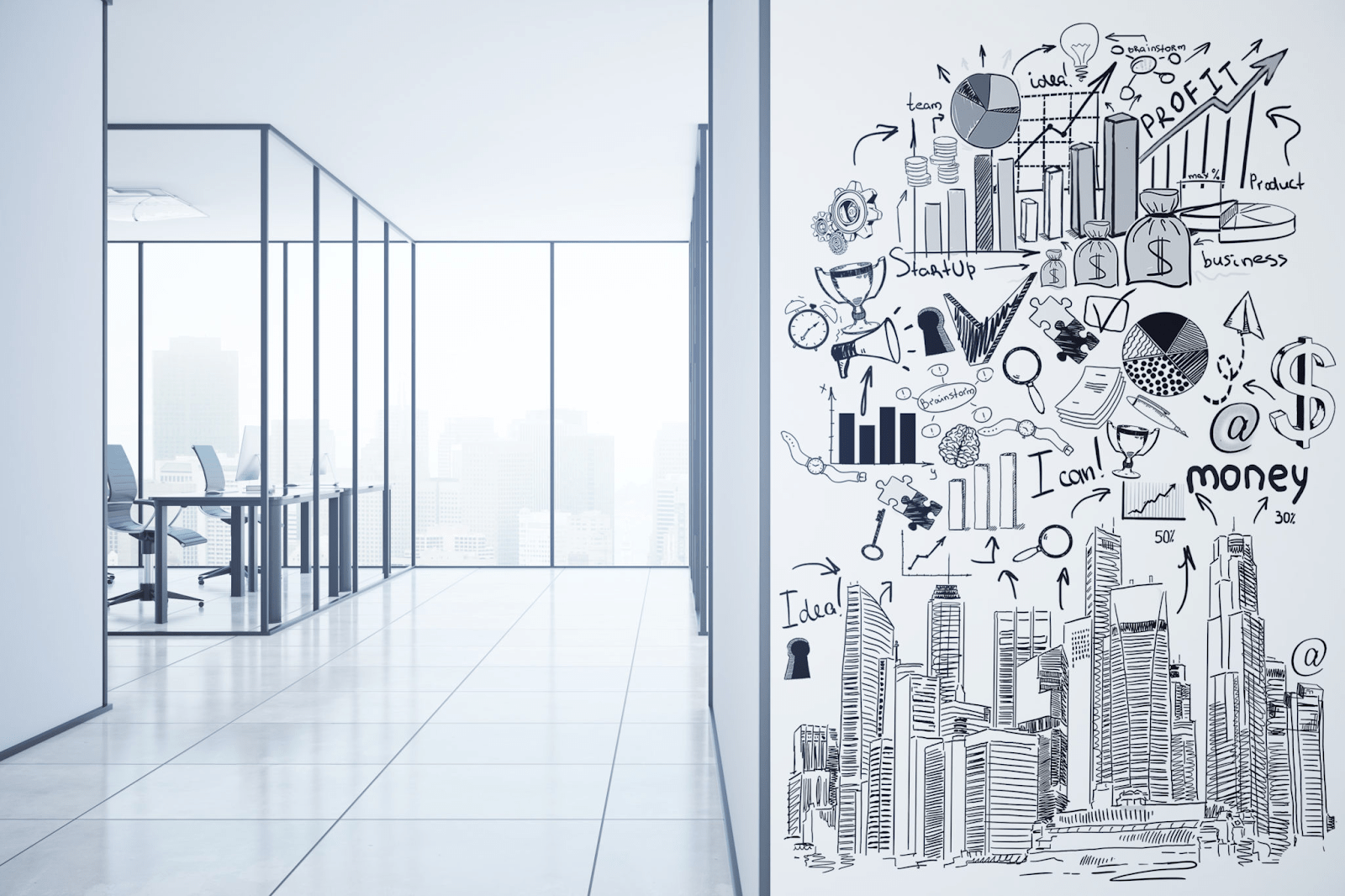
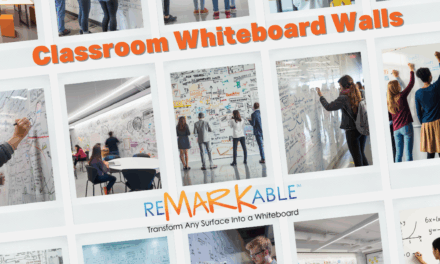
The paradigm is shifting toward “boundless learning environments,” transforming entire vertical surfaces into immersive, writable canvases. As we peel back the layers of school facility management and long-term ROI, it becomes clear that the traditional tools we have trusted—chalkboards, smartboards, and small framed boards—are not just outdated; they are becoming obsolete. By transitioning to a dry erase wall, institutions aren’t just changing a surface; they are removing the “mental handbrakes” of their students and faculty.
The Psychological Impact of a Classroom Whiteboard Wall
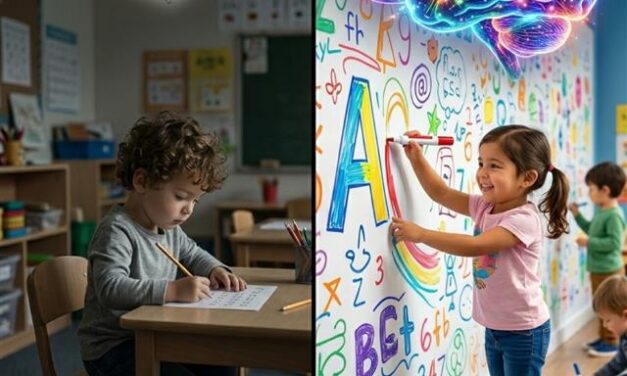
The impact of a standard 4×6 board is a phenomenon known as “framed thinking.” When a student operates under these harsh constraints, the brain subconsciously recognizes a rigid, looming limit on idea generation. Once the physical space is exhausted, learners are forced to interrupt their cognitive flow, erase critical context, and attempt to carry complex conceptual threads forward purely through working memory. This truncation leads to fragmented problem-solving and “lost data” in the learning process.
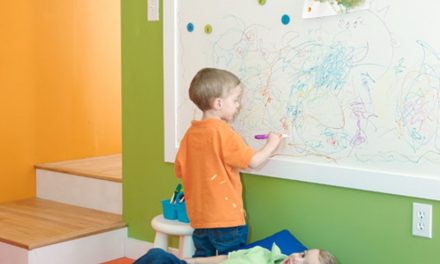
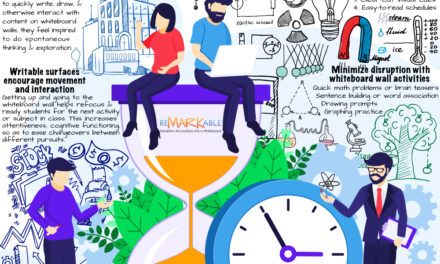
In contrast, classroom whiteboard walls remove these barriers. Transitioning to expansive writable surfaces has been shown to increase active student participation by 60%. By leveraging high-quality whiteboard paint, schools can generate four times more brainstorming space, encouraging kinesthetic movement—the act of physically moving to the wall to write—which is empirically linked to better information retention. Furthermore, these surfaces allow for the “Persistence of Memory”—the ability to keep complex timelines, formulas, or project outlines visible for days, ensuring critical context is never lost between class sessions.
The Silent Tech-Killer: Why Chalk is an Environmental Liability
While some older institutions embrace chalkboards for a vintage aesthetic, they represent a significant environmental and mechanical liability in a modern school. Chalkboards are abrasive; the act of writing forces calcium sulfate and limestone into the air as fine particulate matter. This is a physiological hazard: long-term exposure to this crystalline silica dust can lead to respiratory issues for both teachers and students.
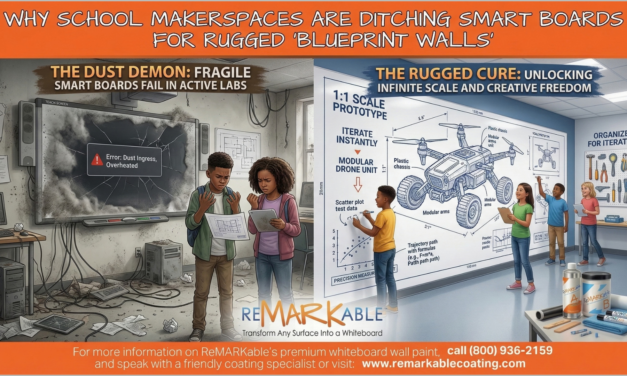
Beyond human health, chalk dust is a “silent tech-killer” for school IT departments. These microscopic particles permeate laptop casings, settling onto internal motherboards and coagulating within cooling fans. In a 1:1 tablet or laptop environment, this leads to thermal throttling, chronic overheating, and eventual catastrophic hardware failure. This destruction directly feeds the global e-waste crisis. Eliminating chalk in favor of a classroom whiteboard wall is a direct step toward extending the lifecycle of your district’s digital assets.
(Read our article about Cost Efficiency of Whiteboard Paint vs. Chalkboard Paint here.)
Beyond the Front of the Room: 360-Degree Learning
Modern pedagogy is shifting from “Sage on the Stage” lecturing to “Student-Centered Learning.” By coating three or four sides of a room in whiteboard paint, instructors can implement “360-degree learning.”
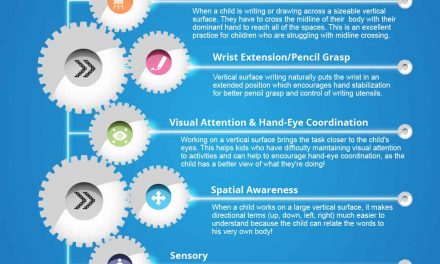
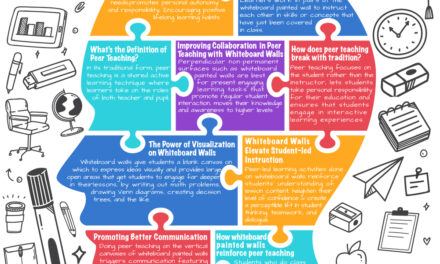
- Vertical Non-Permanent Surfaces (VNPS): Research by Peter Liljedahl shows that students are more likely to take risks and start tasks sooner when working on vertical surfaces like whiteboard painted walls compared to paper or desks.
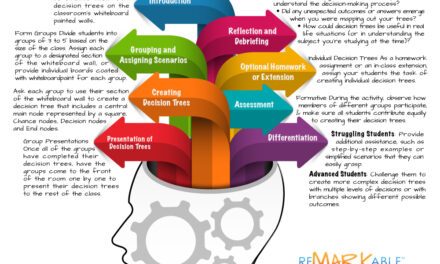
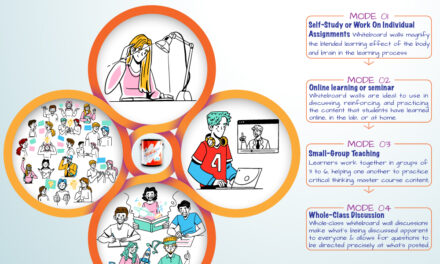
- Small Group Instruction: Students can work in small groups simultaneously around the entire perimeter of the room. This allows the teacher to circulate and provide real-time feedback on visible work, rather than waiting to grade papers later.
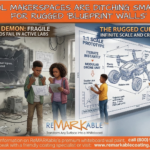
- STEM and Engineering: Complex equations and architectural blueprints rarely fit on a standard board. Students use classroom whiteboard walls to map out entire systems, maintaining the “macro” view while diving into “micro” details without ever needing to erase.
The “Smartboard” Myth: Unmasking the Institutional Money Pit
Interactive smartboards are often marketed as the pinnacle of classroom tech, but empirical data reveal them to be exorbitant financial “money pits” for school budgets.
|
Initial Cost
|
$1,500 – $6,500+ per unit | ~$315 (100 sq. ft. kit) |
|
Longevity
|
3–5 years (Tech Obsolescence) | 10+ years |
|
Maintenance
|
Software updates/IT support | Simple wiping |
|
Surface Area
|
Fixed (usually 55″-85″) | Unlimited / Wall-to-Wall |
|
Reliability
|
Fails during power/internet outages | 100% “Uptime” |
Smartboards suffer from “planned technological obsolescence.” They introduce operational paralysis; if the software glitches, the lesson stops. High-performance whiteboard painted walls offer “zero downtime” and are ergonomically accessible to everyone—from the tallest professor to the shortest primary student—without the need for dangerous step stools.
The 10-Year ROI: A Financial Deep Dive for School Boards
When a facility manager looks at the budget, they often compare the “sticker price” of a whiteboard versus a gallon of paint. This is a mistake. To understand the true value of a dry erase wall, one must look at the Total Cost of Ownership (TCO) over a decade.
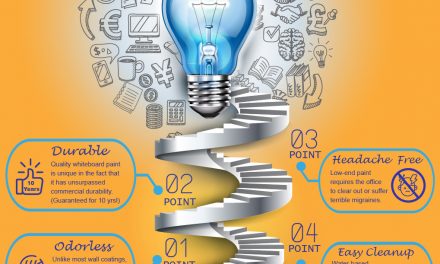
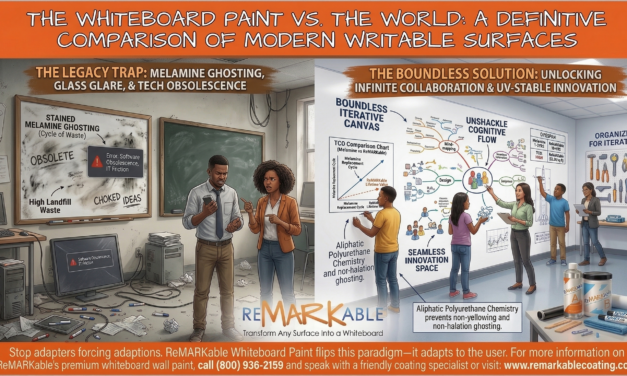
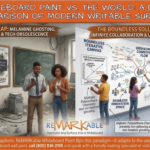
- Replacement Cycles: A standard melamine whiteboard typically begins to “ghost” (permanent staining) within 24 months of heavy classroom use. Over 10 years, you will purchase five boards.
- Labor Costs: Installing five different boards over a decade incurs significant facility labor costs. A single application of premium whiteboard paint lasts for the entire ten years.
- Real Estate Optimization: Classroom space is at a premium. A traditional whiteboard takes up physical depth and footprint. A classroom whiteboard wall utilizes existing vertical real estate without adding bulk, effectively making the classroom feel larger and more functional.
Chemistry of the “Yellow Wall”: Aliphatic vs. Aromatic Coatings
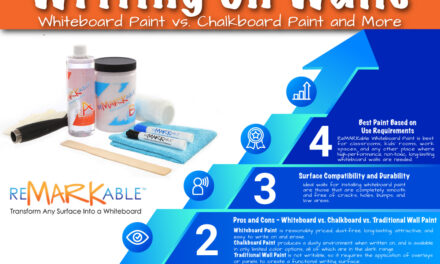
Not all whiteboard paint products are created equal. Many schools have experienced “ambering”—when a white surface turns a sickly yellow. This is a failure of molecular chemistry.
- Aromatic Coatings: Found in legacy epoxy-based paints, these use closed-ring molecular structures. These rings are “UV active,” meaning they absorb light from windows and fluorescent bulbs. This fractures the polymers, causing the surface to yellow and “ghost.”
- Aliphatic Polyurethanes: Premium formulations, such as ReMARKable, use open-chain structures. These are inherently invisible to UV radiation, making them exceptionally light-stable. They cure quickly, minimizing school downtime during breaks.
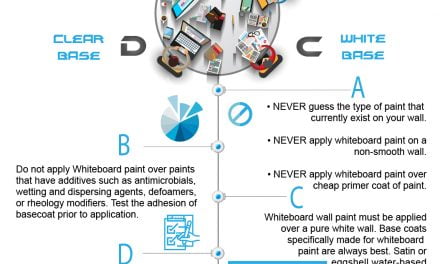
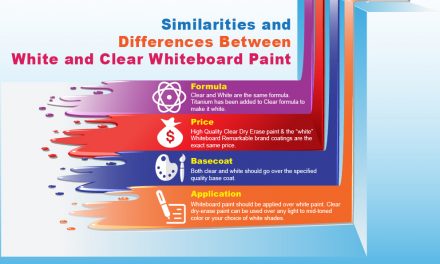
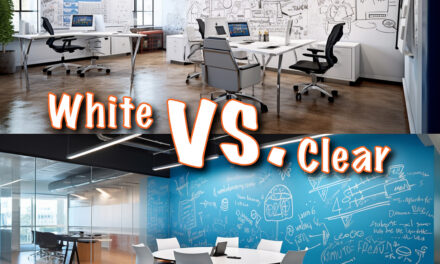
The inclusion of titanium dioxide differentiates the white coatings from the clear ones. The clear variant allows you to turn any existing school-branded accent wall into a functional dry erase wall, maintaining aesthetic freedom without the risk of yellowing for 10+ years.
Sustainability: Supporting the Green School Movement
As institutions strive for LEED certification and ESG (Environmental, Social, and Governance) goals, the choice of wall covering matters. Traditional whiteboards are often made of non-recyclable composites and heavy metals. When they fail, they head straight to the landfill.
By contrast, choosing a low-VOC, water-based whiteboard paint supports a circular economy:
- Reduced Carbon Footprint: Shipping a small kit of paint has a much lower carbon cost than shipping multiple 100lb glass or steel boards.
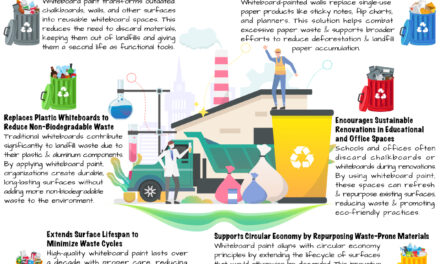
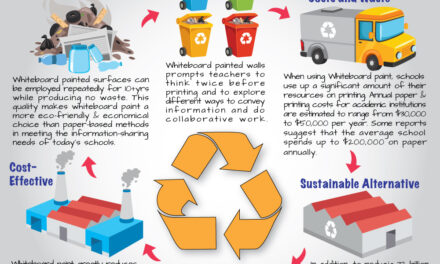
- Waste Reduction: Schools using classroom whiteboard walls report a massive decrease in the use of flip-chart paper and post-it notes, significantly cutting down on annual supply costs and waste.
The Infrastructure of Future Learning
When evaluating the Total Cost of Ownership (TCO), the argument for premium whiteboard paint in education is undeniable. Traditional framed boards and architectural glass are high-cost, high-maintenance options that limit student potential. A single application of aliphatic polyurethane provides a decade of use with zero recurring capital expenditure.
Furthermore, the environmental and pedagogical ROI is massive. With budget deadlines approaching, the urgency to modernize is real. Failing to adapt to “Active Learning” surfaces is not merely staying still; it is actively institutionalizing academic friction.
Ask yourself: Is your current classroom designed to capture your students’ best ideas, or is it built to restrict them? It’s time to stop thinking inside the frame and start building the classroom whiteboard wall your students deserve.
Frequently Asked Questions (FAQs)
-
Can you turn any classroom wall into a whiteboard?
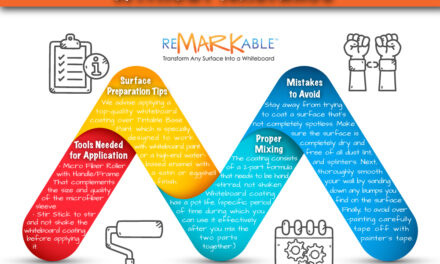
Yes, with high-quality whiteboard paint, almost any smooth surface can be transformed into a dry erase wall. This includes drywall, wood, and even old, smooth chalkboards. The key is ensuring the surface is properly primed and sanded.
-
Is whiteboard paint safe for students?
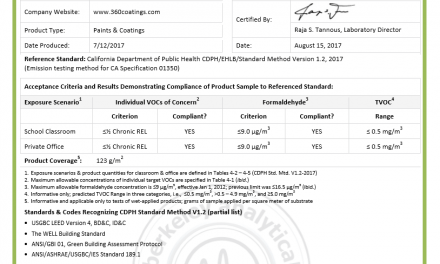
Modern water-based whiteboard paint is low-VOC (Volatile Organic Compounds) and LEED compliant, making it safe for use in classrooms and hallways without requiring long-term building evacuations or specialized ventilation.
-
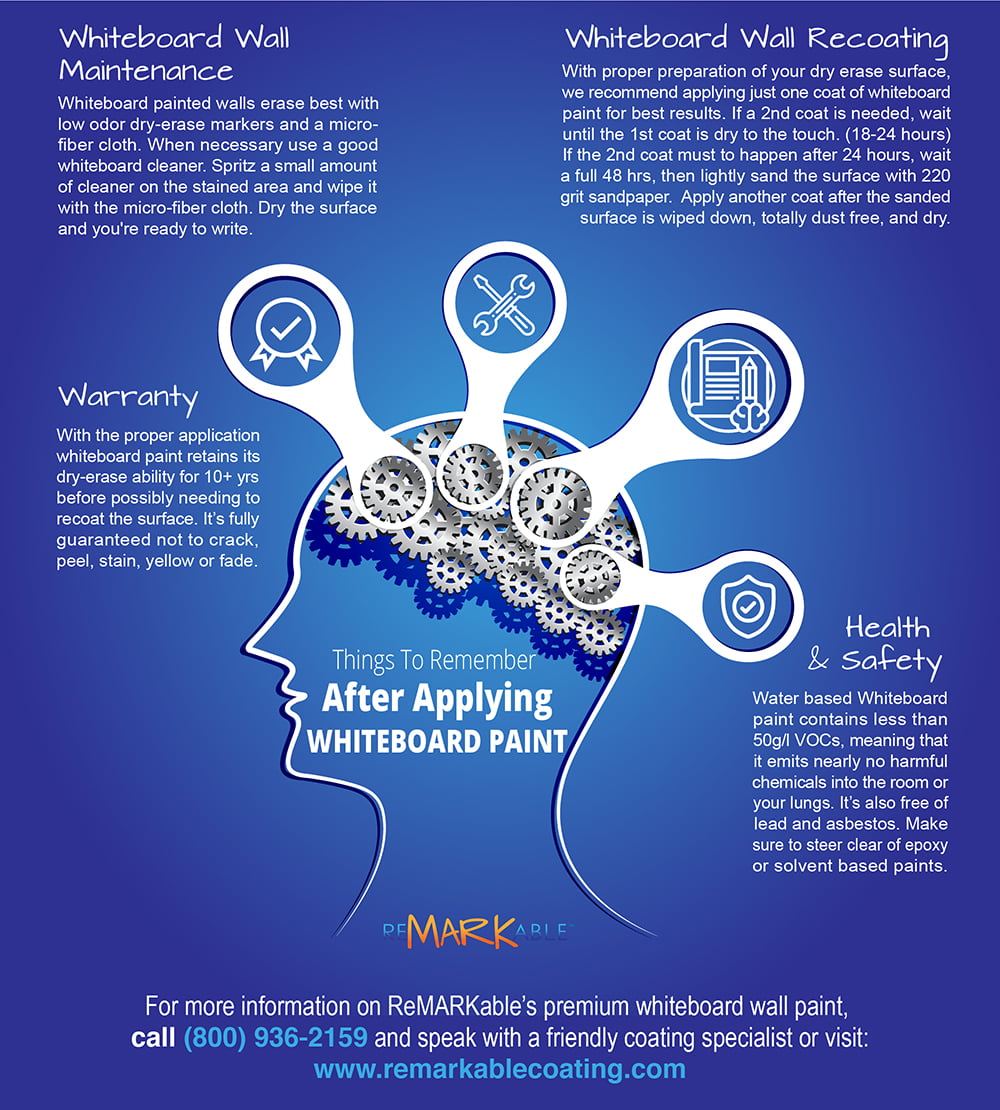
How do you maintain a classroom whiteboard wall?
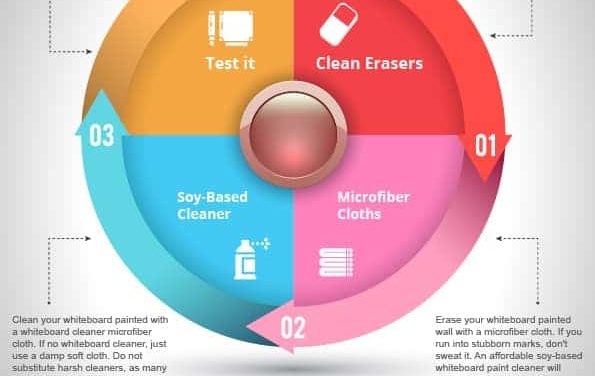
Maintenance is simple: use high-quality dry erase markers and a microfiber cloth. For heavy classroom use, a specialized whiteboard cleaner used once a week will prevent ink buildup and keep the surface looking brand new for over a decade.
-
Can I use the wall as a projector screen?
Absolutely. The smooth, high-gloss finish of white whiteboard paint provides excellent color reproduction for projectors, allowing a teacher to project a map or diagram and have students annotate directly onto the image.


![Giant Leaps Forward Require Big Spaces. [Leap Year Sale Event!]](https://www.remarkablecoating.com/wp-content/uploads/2016/02/Giant-Leaps-ForwardRequire-Big-Spaces-440x264.jpg)



![30% Off St Patrick’s Day Sale! [Details Inside]](https://www.remarkablecoating.com/wp-content/uploads/2016/03/Glorious-1-440x264.png)

![Drive Your Organization Into Openness and Watch it Expand [20% Off Whiteboard Paint]](https://www.remarkablecoating.com/wp-content/uploads/2016/04/Drive-Your-Organization-Into-Openness-and-Watch-It-Expand.-1-440x264.jpg)















![ReMARKable’s Winter Sale is Here! [25% Off + Free Shipping]](https://www.remarkablecoating.com/wp-content/uploads/2018/01/Red-Tag-Winter-Fashion-Facebook-Post-1-440x264.png)



![ReMARKable Summer Sale 2018 [28% Off Whiteboard Paint]](https://www.remarkablecoating.com/wp-content/uploads/2018/06/Blue-Simple-Line-Beach-Facebook-Post-1-440x264.png)


































































































































0 Comments