
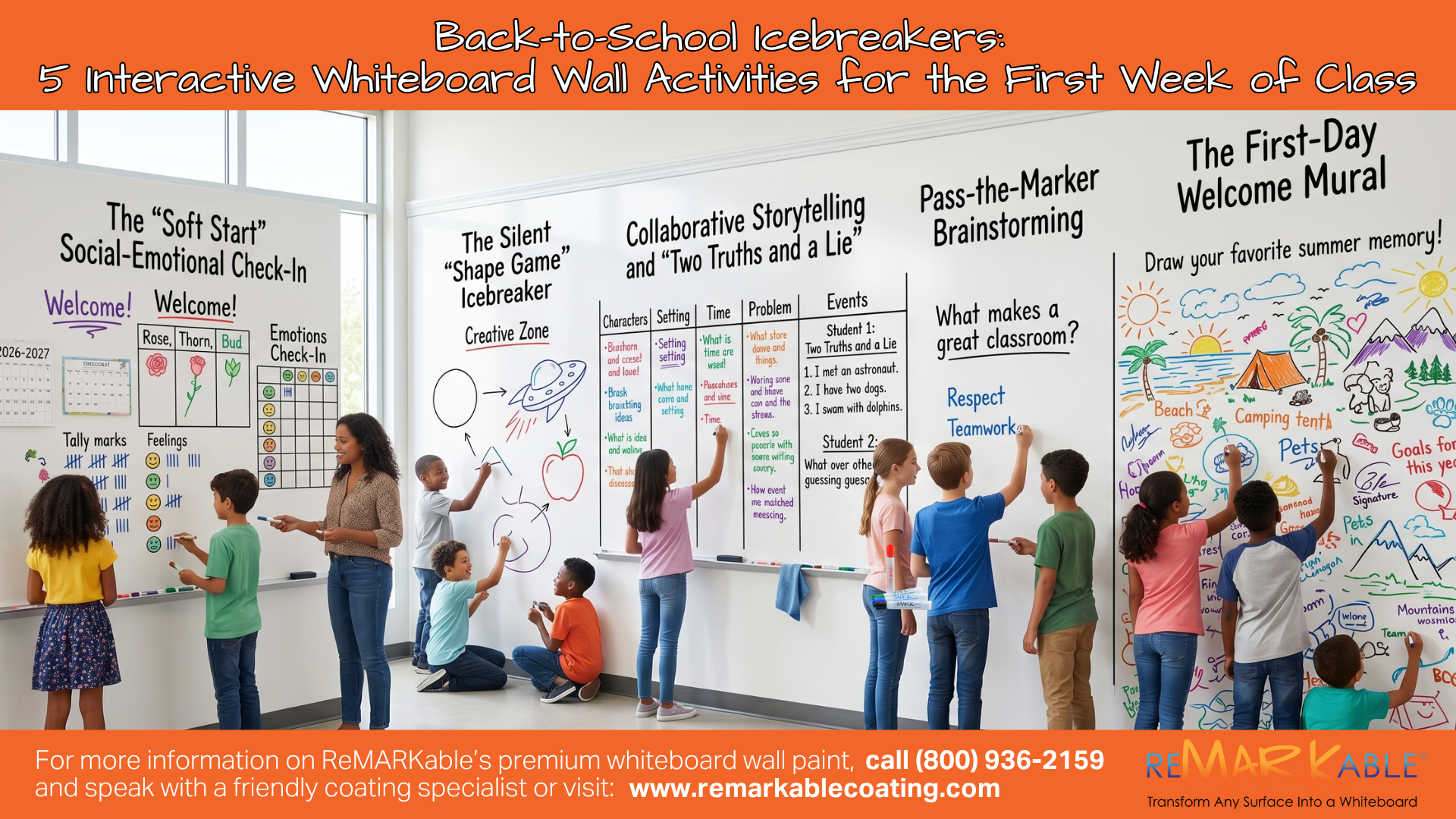
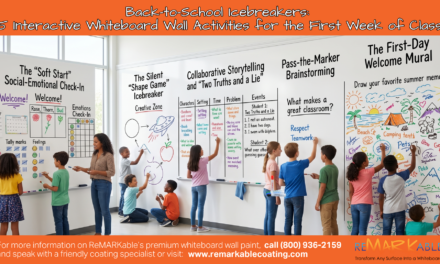
5 Interactive Whiteboard Wall Activities for the First Week of Class
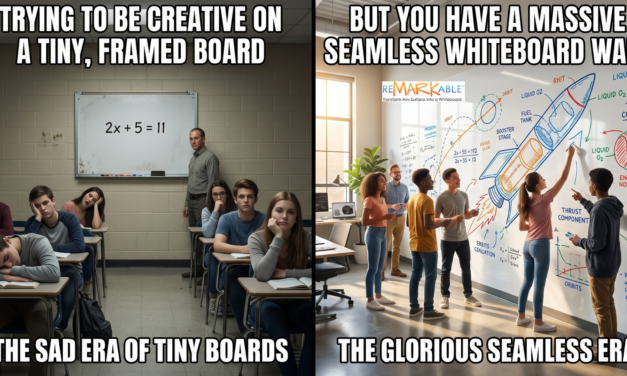
A whiteboard wall is the ultimate secret weapon for teachers looking to instantly break the ice and build a strong classroom community during the often nerve-wracking back-to-school season. The first week of classes is a critical transition period. Students are navigating new environments, meeting new peers, and adjusting to new schedules, which can understandably lead to high levels of academic and social anxiety. Historically, traditional education relied on the rigid “cells and bells” model, in which students sat in forward-facing desks and passively absorbed information from a teacher at the front of the room. However, modern pedagogical frameworks have definitively shifted away from this outdated setup. Today, educators recognize that the physical environment is an active participant in a student’s cognitive and emotional development. By removing the restrictive borders of traditional framed boards, teachers can utilize expansive, writable surfaces to foster a culture of kinetic learning, risk-taking, and peer-to-peer connection from the very first day.
To help educators set a welcoming and highly interactive tone for the 2026-2027 academic year, here is a comprehensive guide to five highly effective icebreaker activities. These strategies not only ease first-week jitters but also lay the groundwork for a year of collaborative success.
1. The “Soft Start” Social-Emotional Check-In
The first 15 minutes of the school day set the tone for the entire morning. Rather than rushing students straight into a high-pressure academic lesson, contemporary educators are increasingly adopting the “soft start” morning routine. A soft start is a flexible, low-pressure way for students to ease into the school day, allowing them to choose how they want to begin their morning—whether that involves quietly reading, solving a puzzle, or playing with creative materials.
You can make your whiteboard painted wall the central hub of this calming routine by turning it into a daily Social-Emotional Learning (SEL) check-in station. Before the bell rings, write a welcoming morning message or an inspiring quote of the day on the wall. Next to the message, draw a simple “Emotions Check-In” grid or a “Rose, Thorn, Bud” chart. As students enter the room, hand them a dry-erase marker and invite them to place a tally mark or draw a quick emoji representing how they feel that morning. This activity gives you an immediate, visual pulse on the classroom’s emotional state without forcing shy students to speak in front of a crowd. It builds a sense of safety, establishes a predictable routine, and gives learners valuable time to get grounded before tackling rigorous academic subjects.
2. The Silent “Shape Game” Icebreaker
For many students—particularly neurodivergent learners or those who experience severe social anxiety—the pressure of speaking out loud during a traditional first-week icebreaker can be overwhelming. The “shape game” is a highly engaging, low-stakes recreational activity that serves as a brilliant visual icebreaker while eliminating the pressure of verbal performance.
To facilitate this game, apply premium whiteboard paint to a designated section of your room to create an open creative zone. Divide the students into small groups of two or three. The teacher begins by drawing a random, simple shape—like a circle, a triangle, or a squiggly line—in the center of the space. Without speaking, the students must take turns approaching the wall to add a single line or geometric shape to the original drawing, collaboratively transforming it into a recognizable object. For example, the initial circle might become an apple when one student draws a stem, and then it might transform into a futuristic spaceship when the next student adds thrusters and windows. By enforcing the “silent” rule, students are prompted to use their imaginations, interpret their peers’ visual cues, and build early teamwork skills in a completely stress-free, playful environment.
3. Collaborative Storytelling and “Two Truths and a Lie”
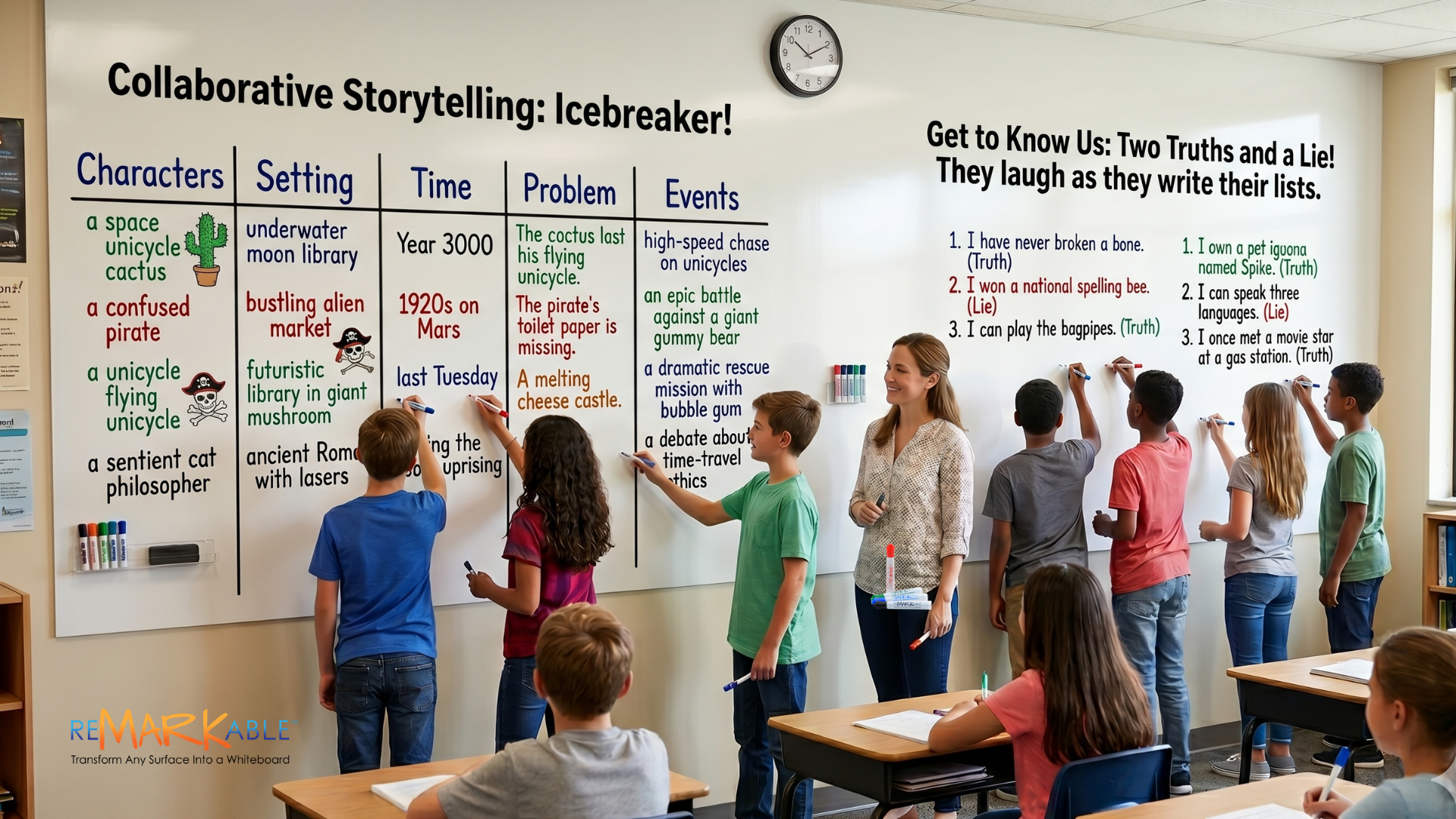
Integrating early English Language Arts (ELA) skills into your back-to-school icebreakers is seamless when you have a massive vertical canvas. Collaborative storytelling is a fantastic way to flex students’ creative muscles and let their imaginations run wild during the first week.
Using a dark-colored marker, use a ruler to divide your dry erase wall into five equal-sized vertical columns. Label these sections with basic short story elements: Characters, Setting, Time, Problem, and Events. Have groups of new students brainstorm and write down highly original, even silly, ideas under each category. Once the board is full, challenge the class to weave these disparate elements together into a cohesive, improvised story.
Alternatively, if you want a more personal get-to-know-you activity, adapt the classic game of “Two Truths and a Lie”. Have a small group of students write three statements about themselves on the expansive surface. The sheer scale of the wall allows everyone in the room to easily read the statements simultaneously, making the guessing process much more interactive than if students were simply reading small scraps of paper at their desks.
4. Pass-the-Marker Brainstorming
Establishing a “Building Thinking Classrooms” environment—a highly effective pedagogical framework popularized by Dr. Peter Liljedahl—relies heavily on the use of Vertical Non-Permanent Surfaces (VNPS). Dr. Liljedahl’s research reveals that when students stand in small groups at a vertical surface to solve problems, their eagerness, discussion, participation, and persistence are vastly improved compared to working at horizontal desks.
During the first week of class, you can introduce this framework through a “Pass-the-Marker” brainstorming session. Pose a fun, open-ended question to the class, such as, “What makes a great classroom?” or “If you could design the ultimate school field trip, where would we go and why?”. Instead of having the teacher act as the sole scribe, hand a single marker to a student group and require them to dynamically rotate note-taking roles. Having students hand over the marker to a peer forces them to physically step back, adjust to another person’s learning and writing process, and actively listen. This simple act of turning the tables gives students the autonomy to command the vertical space, effectively breaking the traditional classroom hierarchy and fostering a powerful sense of shared ownership of the learning environment.
5. The First-Day Welcome Mural
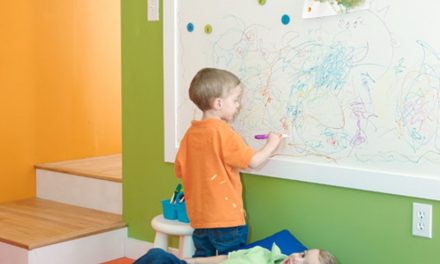
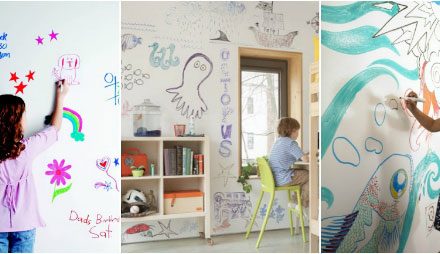
One of the most direct ways to foster a sense of belonging is to immediately democratize the physical space. A traditional bulletin board is often curated entirely by the teacher, but a dry erase paint surface invites immediate student contributions. On the very first day, dedicate a large section of the room to a “Welcome Mural.”
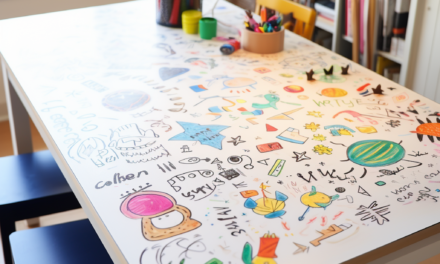
Write a large, central prompt on the wall, such as “What are your goals for this year?” or “Draw your favorite summer memory.” Provide a wide variety of colorful dry-erase markers and allow the children to freely decorate the space around the prompt with multi-colored drawings, quotes, or their signatures. This activity helps children self-regulate, burn off anxious energy, and maintain higher levels of focus. Furthermore, it sends a profound psychological signal to students: this classroom is not just a room they sit in; it is a collaborative community they actively help create. Leaving the mural up for the remainder of the first week serves as a beautiful, constantly evolving visual reminder of their new friendships and shared aspirations.
The Psychological Power of the Erasable Surface
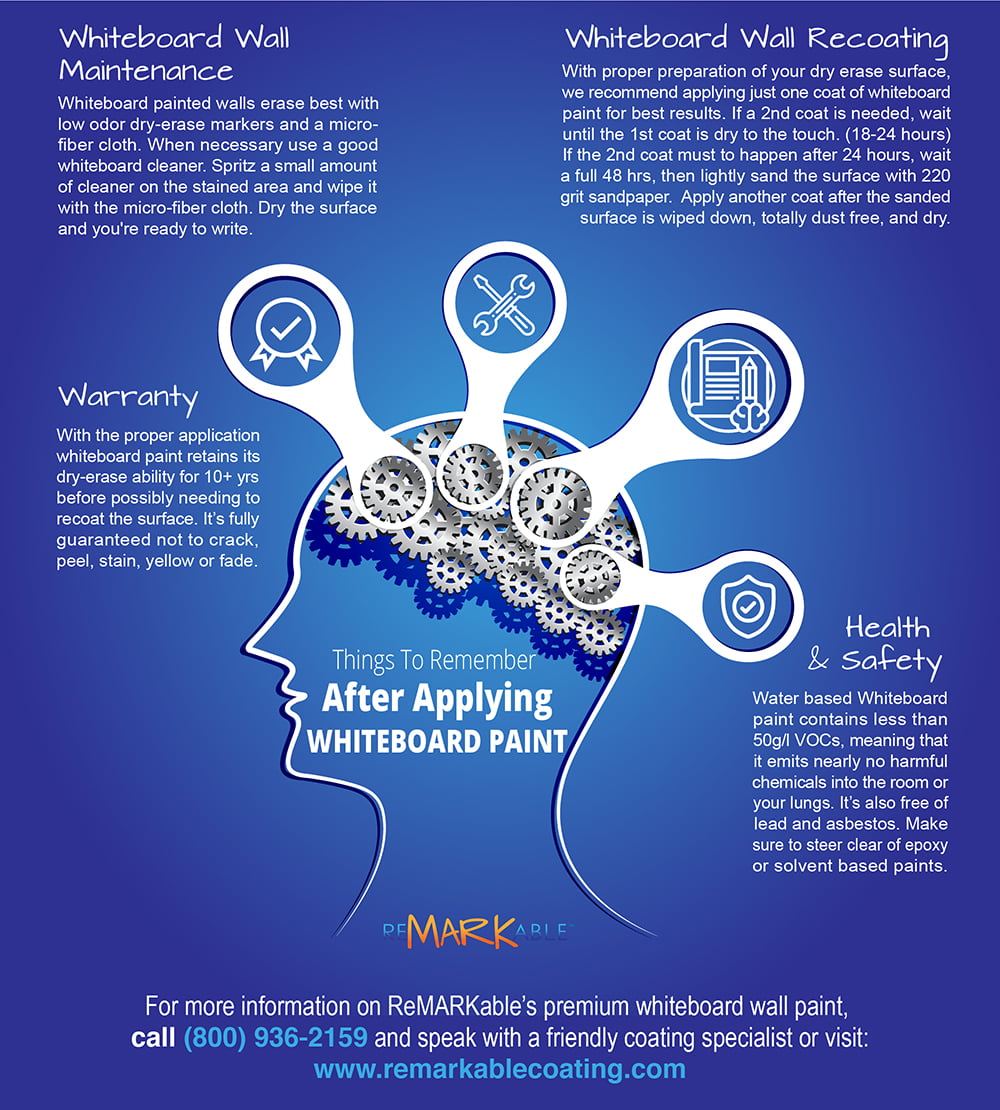
The success of these first-week icebreakers relies heavily on the medium itself. The inherently erasable, non-permanent nature of these vertical surfaces is critical to their pedagogical and social-emotional success. Because the medium allows for immediate corrections, it drastically lowers the psychological threshold for risk-taking. Students who suffer from a fear of failure are far more willing to attempt a drawing, spell a difficult word, or share a personal goal when they know that any mistake can be obliterated in a second with a simple swipe of a microfiber cloth. This freedom to experiment safely teaches students that making mistakes is a natural, necessary, and completely acceptable part of the educational journey.
As you prepare your lesson plans and classroom layout for the upcoming school year, remember that true collaboration requires the right infrastructure. Interactive, standing-based activities naturally boost energy, stimulate the brain, and inspire creative problem-solving. When you equip your classroom with a whiteboard painted wall, you are giving your students the freedom to think big, connect deeply, and start the school year off right.

![Giant Leaps Forward Require Big Spaces. [Leap Year Sale Event!]](https://www.remarkablecoating.com/wp-content/uploads/2016/02/Giant-Leaps-ForwardRequire-Big-Spaces-440x264.jpg)


![30% Off St Patrick’s Day Sale! [Details Inside]](https://www.remarkablecoating.com/wp-content/uploads/2016/03/Glorious-1-440x264.png)

![Drive Your Organization Into Openness and Watch it Expand [20% Off Whiteboard Paint]](https://www.remarkablecoating.com/wp-content/uploads/2016/04/Drive-Your-Organization-Into-Openness-and-Watch-It-Expand.-1-440x264.jpg)













![ReMARKable’s Winter Sale is Here! [25% Off + Free Shipping]](https://www.remarkablecoating.com/wp-content/uploads/2018/01/Red-Tag-Winter-Fashion-Facebook-Post-1-440x264.png)




![ReMARKable Summer Sale 2018 [28% Off Whiteboard Paint]](https://www.remarkablecoating.com/wp-content/uploads/2018/06/Blue-Simple-Line-Beach-Facebook-Post-1-440x264.png)








































































































































0 Comments