Whiteboard Walls in the 2026-2027 Academic Ecosystem: Synthesizing Neuro-Inclusive Spaces to Combat Digital Fatigue
Home / News / Whiteboard Walls in the 2026-2027 Academic Ecosystem: Synthesizing Neuro-Inclusive Spaces to Combat Digital Fatigue
Combatting Digital Fatigue in the 2026-2027 Academic Ecosystem
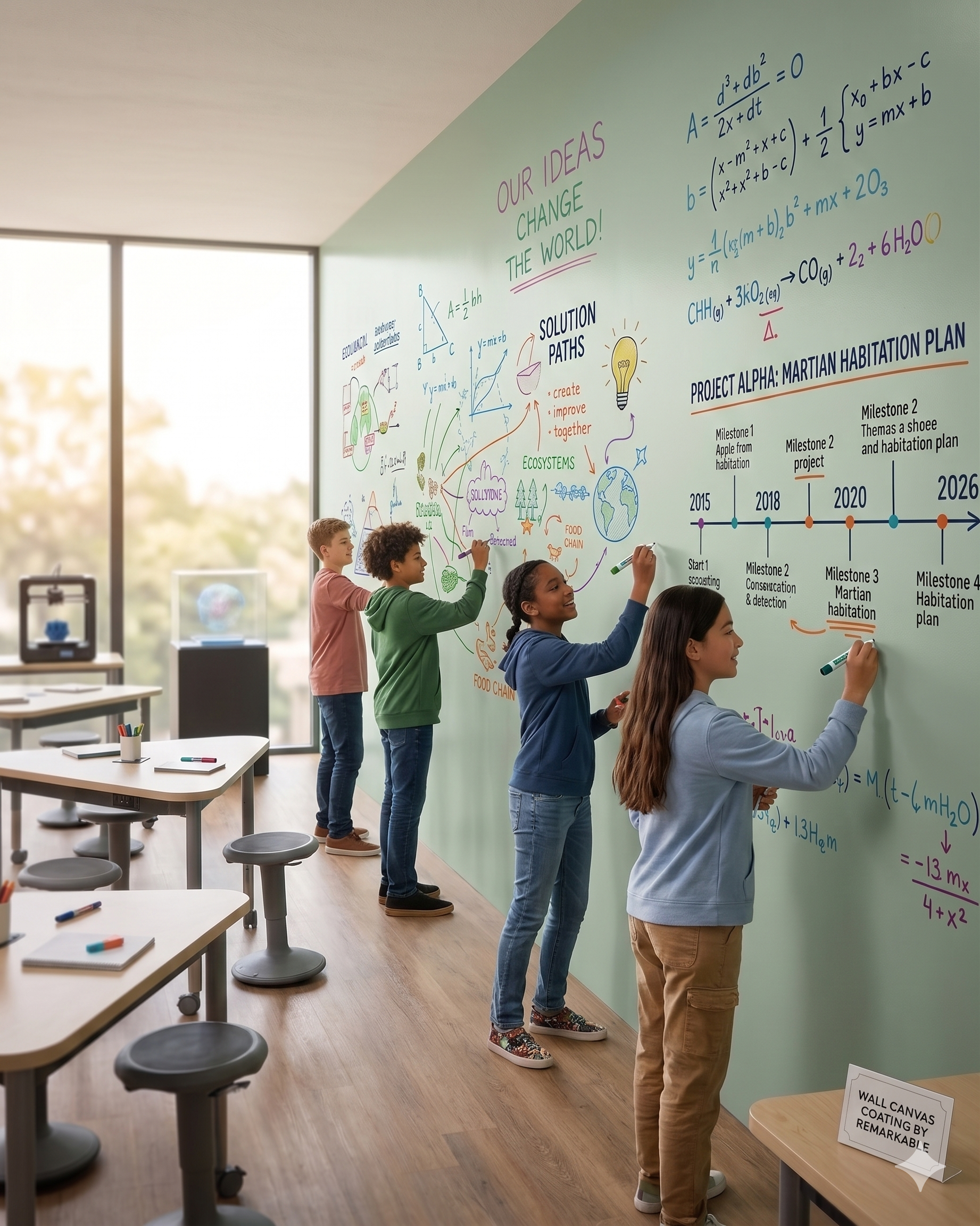
The transition into the 2026-2027 academic year demands a radical spatial evolution, in which the strategic integration of whiteboard walls plays a central role in transforming passive classrooms into dynamic learning environments. For over a century, the industrial “cells and bells” model of education dictated rigid rows and passive consumption of information. Today, modern pedagogical frameworks definitely recognize physical space as an active participant in cognitive development. By transitioning from confined, traditional framed boards to expansive, borderless surfaces coated with premium whiteboard paint, institutions and households alike are democratizing the learning experience. These optimized environments naturally encourage kinesthetic movement, collaborative problem-solving, and a heightened state of student engagement that simply cannot be replicated in traditional seated settings.
This in-depth guide explores the diverse advantages of optimizing K-12 classrooms, higher education centers, and domestic study spaces. By synthesizing data on environmental psychology, neuro-aesthetics, and ergonomic design, we outline a cohesive strategy to mitigate digital fatigue, accelerate social-emotional recovery, and drive academic excellence.
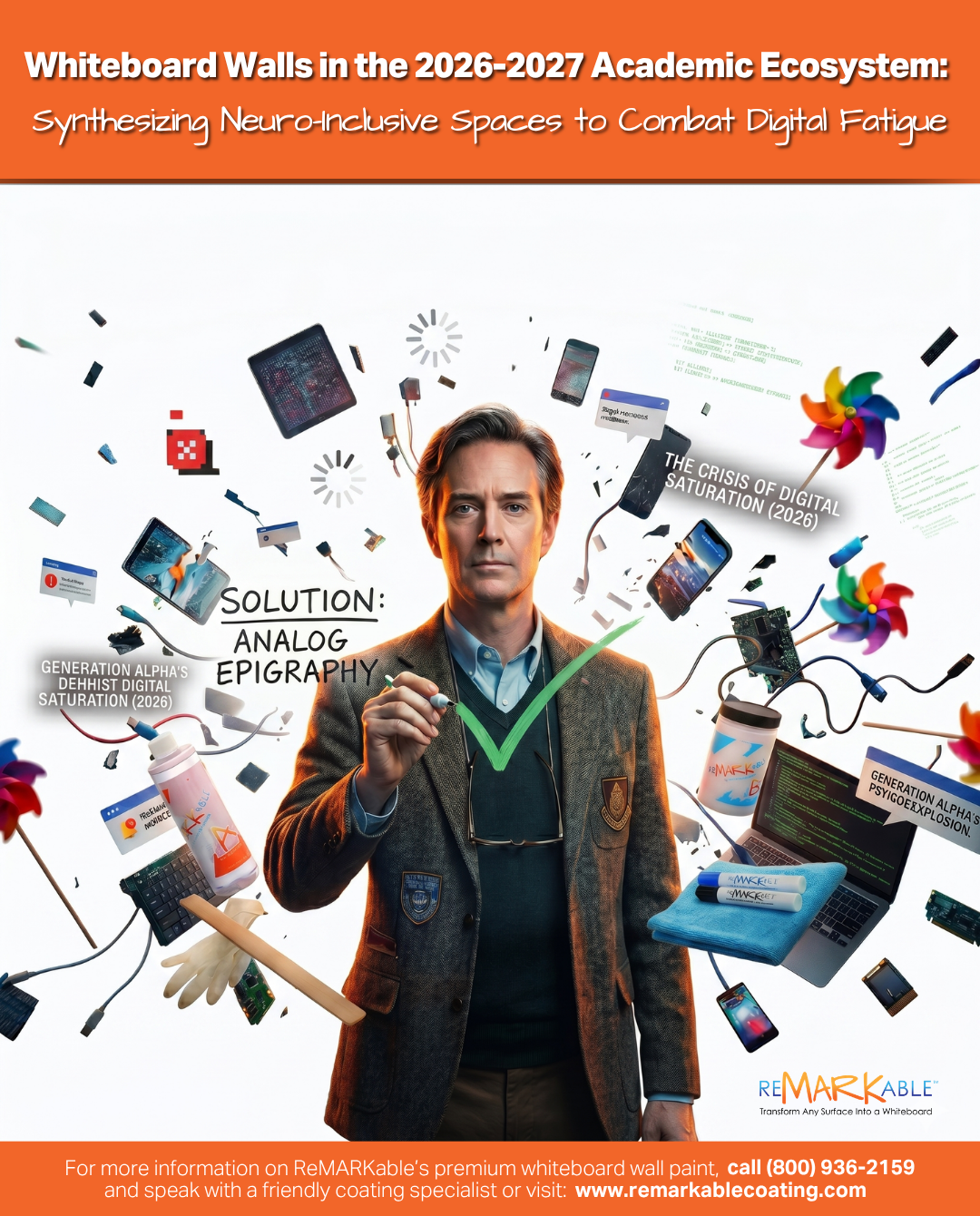
Generation Alpha and the Crisis of Digital Saturation
To grasp the necessity of transforming physical learning spaces, administrators must analyze the demographic realities of Generation Alpha. Projected to reach nearly two billion people worldwide, this is the most technologically integrated cohort in human history.
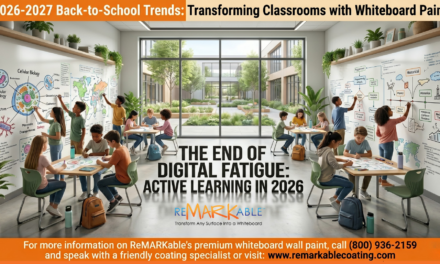
However, this digital immersion comes at a steep cognitive cost. Current pedagogical research indicates that students are experiencing unprecedented levels of digital fatigue. The saturation of screen time has led to documented cognitive exhaustion, shortened attention spans, and a detachment from physical reality. To counterbalance this screen-heavy existence, educational institutions urgently require physical, hands-on solutions.
Transforming STEM labs and standard classrooms into boundless canvases using whiteboard painted walls serves as the premier antidote to digital fatigue. This shift forces the student’s gaze upward and outward, re-engaging their spatial awareness and grounding their cognitive processes in the physical world.
The Technological Paradox: Analog Epigraphy vs. Electronic Boards
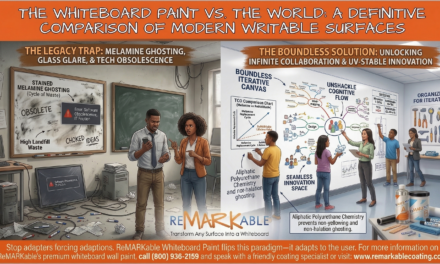
In the pursuit of modernizing classrooms, many administrators historically turned to interactive electronic whiteboards. However, an in-depth analysis of pedagogical efficacy and return on investment reveals significant drawbacks to these digitized systems.
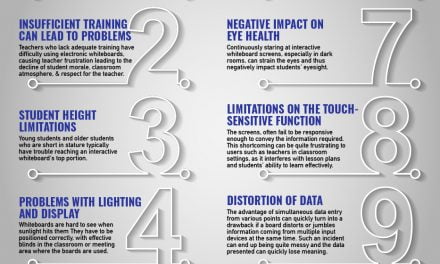
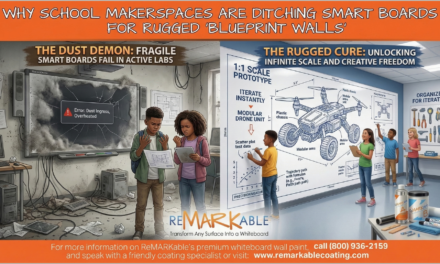
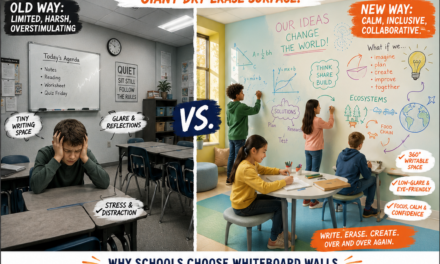
Interactive whiteboards function essentially as massive tablets, tethering users to a digital interface and relegating them to mere input devices. This dynamic frequently introduces software glitches, calibration errors, and connectivity failures that disrupt instructional flow. Furthermore, their restrictive design limits collaboration to a single user, reinforcing the very digital fatigue that modern pedagogy seeks to eliminate.
Conversely, dry erase walls drastically outperform electronic smartboards. They provide an expansive, frictionless surface that requires no technological troubleshooting, no software updates, and no specialized digital styluses.
Comparing Spatial Utility and Efficacy
Operational Metric
Interactive Electronic Whiteboards
Premium Writable Surfaces
System Architecture
Digital display requiring constant computerized input and maintenance.
Borderless, analog surface requiring minimal physical maintenance.
Pedagogical Friction
High risk of technical failure, calibration issues, and cognitive interruption.
Unobtrusive, immediate platform for inquiry-based problem-solving.
Spatial Utility
Restricts engagement to a single user at the digital interface.
Enables simultaneous 360-degree kinesthetic movement for multiple users.
Psychological Impact
Exacerbates screen-time saturation and digital fatigue.
Counterbalances screen-heavy reality by promoting tactile interaction.
Architectural Neurology: The Biochemistry of Space
The holistic design of a classroom directly impacts a pupil’s neurological development. In 2026, modern facility design heavily prioritizes future-ready environments that integrate calming color palettes specifically engineered to reduce cortisol levels. Chronically elevated cortisol impairs executive function, memory consolidation, and emotional regulation.
Design Note: To counteract the anxiety-inducing “sterile white” institutional aesthetic, modern designers apply clear whiteboard paint directly over deep, calming wall colors.
This architectural hack maintains a soothing, biologically aligned aesthetic while functioning entirely as an interactive canvas. When paired with optimal ergonomic parameters—such as clean indoor air, acoustic dampening, thermoregulation (20 to 25 degrees Celsius), and circadian lighting—the result is a profoundly effective infrastructure for neuro-inclusive student success.
Dismantling the Industrial Classroom
The strategic use of writable surfaces disrupts traditional spatial hierarchies, enabling educational institutions to maximize their physical footprint.
Higher Education Active Learning Centers (ALCs)
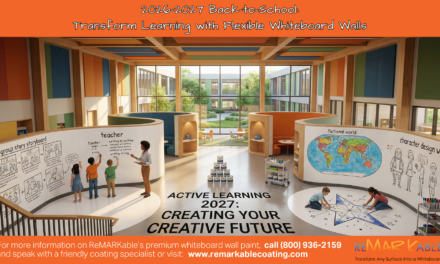
By replacing forward-facing desks with triangular tables and integrating expansive writable surfaces, the instructor’s role shifts from a primary lecturer to a roving facilitator. Students map out complex strategies directly on the walls, transforming from passive consumers to active producers of information.
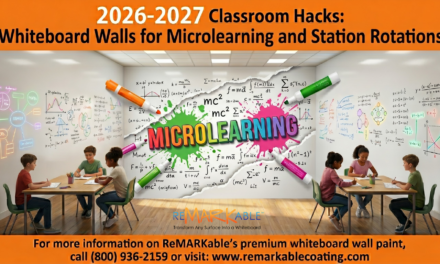
K-12 Microlearning and Station Rotations
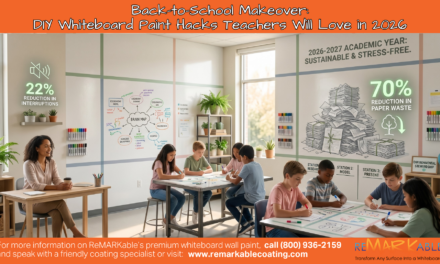
Teachers report a remarkable 22% reduction in daily classroom interruptions in classrooms equipped with writable surfaces. Students become self-sufficient and visually guided, sharing the responsibility for knowledge acquisition. This shared locus of control fundamentally reduces teacher burnout and stress related to behavioral management.
Corridor Optimization
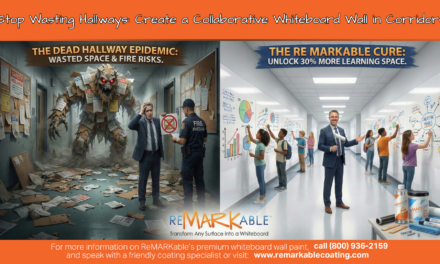
Hallways, cafeterias, and gymnasiums are now viable educational real estate. Open-ended dry erase walls in public spaces streamline communication and curate a rich ecosystem of user-generated community content.
Advanced Pedagogical Mechanics: Making Thinking Visible
Expansive writing canvases fundamentally alter instructional methodologies through advanced cognitive tactics.
Meta-Cognitive Modeling
Commonly known as the “thinking-out-loud” technique, meta-cognitive modeling is highly effective on large vertical spaces. When teachers actively map out the steps to isolate algebraic variables or diagram thematic structures on whiteboard painted walls, they make the invisible, internal process of problem-solving visible. This holds student attention far more effectively than static, pre-written slides.
Right-Brain Activation and Epigraphy
Human brainstorming is an inherently epigraphic activity—it functions optimally on large, vertical surfaces rather than confined horizontal desks. Writing on a massive scale triggers “right-brain” functions, generating spontaneous, free-association ideas essential for project development and scientific inquiry.
Turning the Tables
To re-energize collaboration, educators can simply switch note-taking roles. Passing the marker forces students to adapt to peer-learning processes, thereby drastically improving their soft skills in empathy and teamwork.
The Domestic Ecosystem: Overcoming Friction at Home
The prevalence of hybrid learning schedules necessitates highly functional home study spaces. Without clear spatial boundaries, the home quickly degenerates into a site of psychological friction.
The Home Command Center
Parents are increasingly utilizing expansive writable surfaces to establish daily routines. By applying premium coatings to central locations like the kitchen or home office, families can track complex schedules and manage homework assignments. Visual schedules that explicitly map out tasks and physical breaks provide young children with a comforting sense of structure, directly reducing cognitive load and childhood anxiety.
Micro-Spatial Optimization for Dormitories
For college students in cramped living quarters, maximizing vertical space is an absolute necessity. Because universities universally prohibit painting dormitory walls, innovative students apply clear, dry-erase coatings to their own rolling carts, end tables, or wardrobe doors. This workaround conserves cognitive energy and merges optimal study habits with spatial efficiency.
Social-Emotional Rehabilitation and Multi-Disciplinary Uses
The utility of expansive writable surfaces extends far beyond traditional academic settings, significantly aiding social-emotional recovery following systemic educational disruptions.
Therapeutic Doodling: Allowing students to doodle for a few minutes before class serves as a powerful cognitive primer, helping them self-regulate and burn off anxious energy.
Collaborative Games: Structured drawing games rapidly develop spatial visualization skills, while collaborative poetry writing mandates cooperative linguistic expression, rebuilding vital social competencies.
Athletic and Emergency Operations: NBA coaches rely heavily on these surfaces for comprehensive game strategy. Similarly, school security teams use them as permanent command centers to map out logistics and manage communication during high-stakes emergency scenarios.
Conclusion and Strategic Framework
As the educational ecosystem advances, the rigid boundaries separating institutional pedagogy from domestic life have permanently dissolved. To support Generation Alpha—a demographic suffering from profound digital fatigue—learning spaces must adapt rapidly with robust scientific backing. The empirical evidence is clear: optimizing spaces through neuro-aesthetic principles and the ubiquitous integration of epigraphic surfaces is a critical requirement for cognitive well-being. Whether you are mitigating student cortisol levels through calming color palettes, reducing teacher burnout by fostering self-directed learning, or establishing a domestic command center to eliminate home friction, the strategic application of whiteboard walls remains the foundational blueprint for achieving academic and emotional excellence.
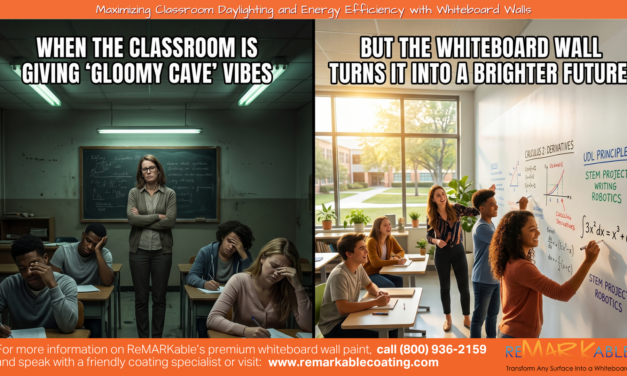
Are dark classrooms hurting student performance and driving up energy costs? Discover how installing high-gloss whiteboard walls maximizes natural daylighting and Light Reflectance Value (LRV). Learn how to reduce reliance on artificial lighting, support LEED certification, and create brilliant, sustainable learning environments!
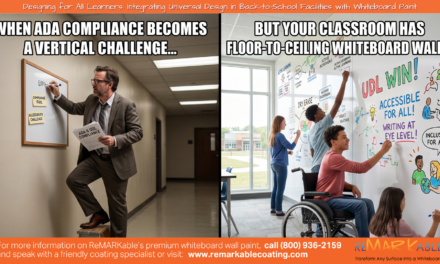
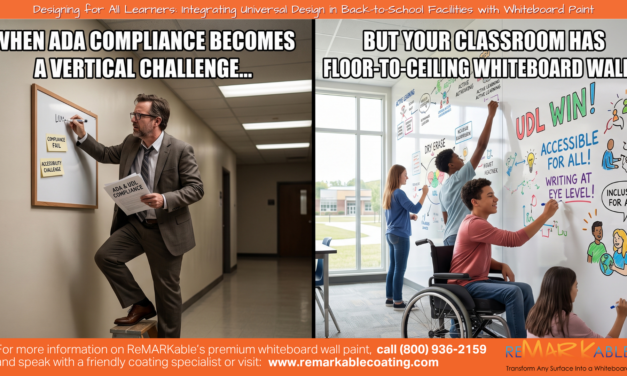
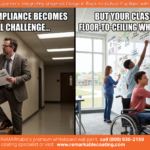
Struggling to meet Universal Design for Learning (UDL) mandates on a tight district budget? Discover how upgrading to seamless whiteboard painted walls helps schools create fully inclusive, accessible, and neuro-diverse learning environments. Learn how continuous writing surfaces support all students while protecting your facility’s budget!
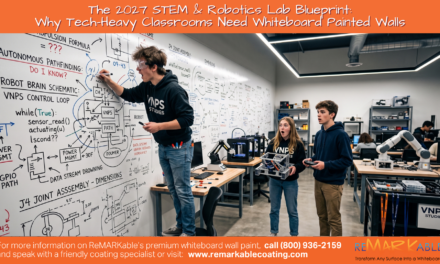
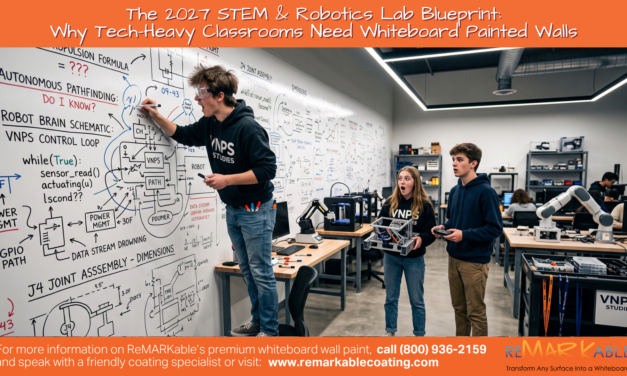
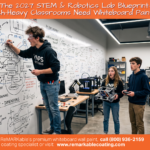
Traditional classrooms and small whiteboards cannot handle the complex demands of modern high school STEM labs and robotics workshops. Discover how upgrading to seamless whiteboard painted walls creates a 360-degree collaborative R&D workspace, bridging digital coding with physical design while eliminating classroom clutter and maximizing your district’s budget!
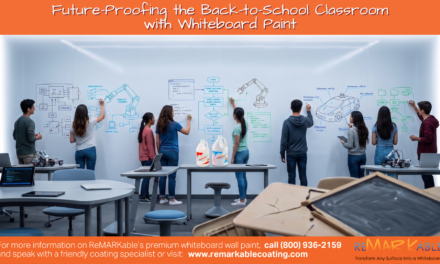
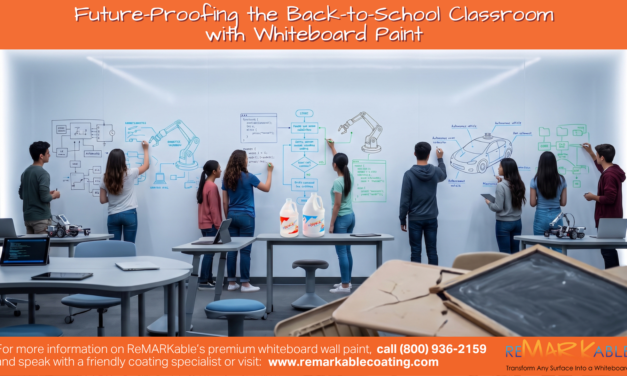
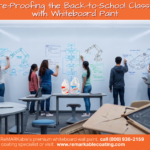
Are traditional classrooms built to handle the rapidly changing demands of modern education? Discover how future-proofing your school with seamless whiteboard paint creates flexible, tech-integrated, and highly durable learning spaces. Learn how upgrading to continuous, floor-to-ceiling writing surfaces prepares K-12 and higher ed institutions for the next generation of academic excellence!
September brings a powerful shift in energy. Discover how to use whiteboard painted walls to capture the season of change with curated quotes for Labor Day, back-to-school, and Q3 goal-setting. Refresh your environment, celebrate the start of autumn, and keep your space inspired all month long!
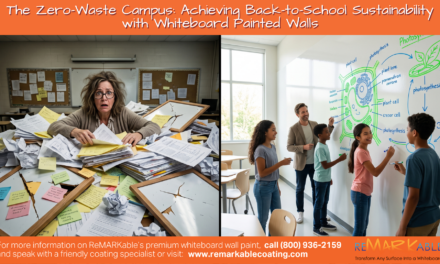
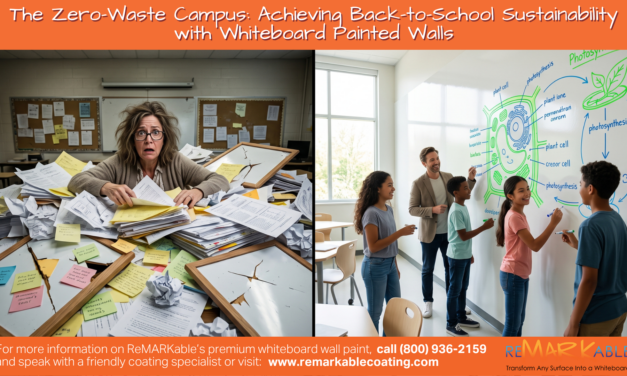
Drowning in paper waste and replacing ghosted boards every year? Discover how upgrading to seamless whiteboard painted walls helps schools achieve true back-to-school sustainability. Learn how to eliminate single-use paper, reduce landfill waste, and build a permanent, eco-friendly infrastructure that protects both the environment and your district’s budget!
Are dark classrooms hurting student performance and driving up energy costs? Discover how installing high-gloss whiteboard walls maximizes natural daylighting and Light Reflectance Value (LRV). Learn how to reduce reliance on artificial lighting, support LEED certification, and create brilliant, sustainable learning environments!





![Giant Leaps Forward Require Big Spaces. [Leap Year Sale Event!]](https://www.remarkablecoating.com/wp-content/uploads/2016/02/Giant-Leaps-ForwardRequire-Big-Spaces-440x264.jpg)



![30% Off St Patrick’s Day Sale! [Details Inside]](https://www.remarkablecoating.com/wp-content/uploads/2016/03/Glorious-1-440x264.png)

![Drive Your Organization Into Openness and Watch it Expand [20% Off Whiteboard Paint]](https://www.remarkablecoating.com/wp-content/uploads/2016/04/Drive-Your-Organization-Into-Openness-and-Watch-It-Expand.-1-440x264.jpg)













![ReMARKable’s Winter Sale is Here! [25% Off + Free Shipping]](https://www.remarkablecoating.com/wp-content/uploads/2018/01/Red-Tag-Winter-Fashion-Facebook-Post-1-440x264.png)




![ReMARKable Summer Sale 2018 [28% Off Whiteboard Paint]](https://www.remarkablecoating.com/wp-content/uploads/2018/06/Blue-Simple-Line-Beach-Facebook-Post-1-440x264.png)


































































































































0 Comments