

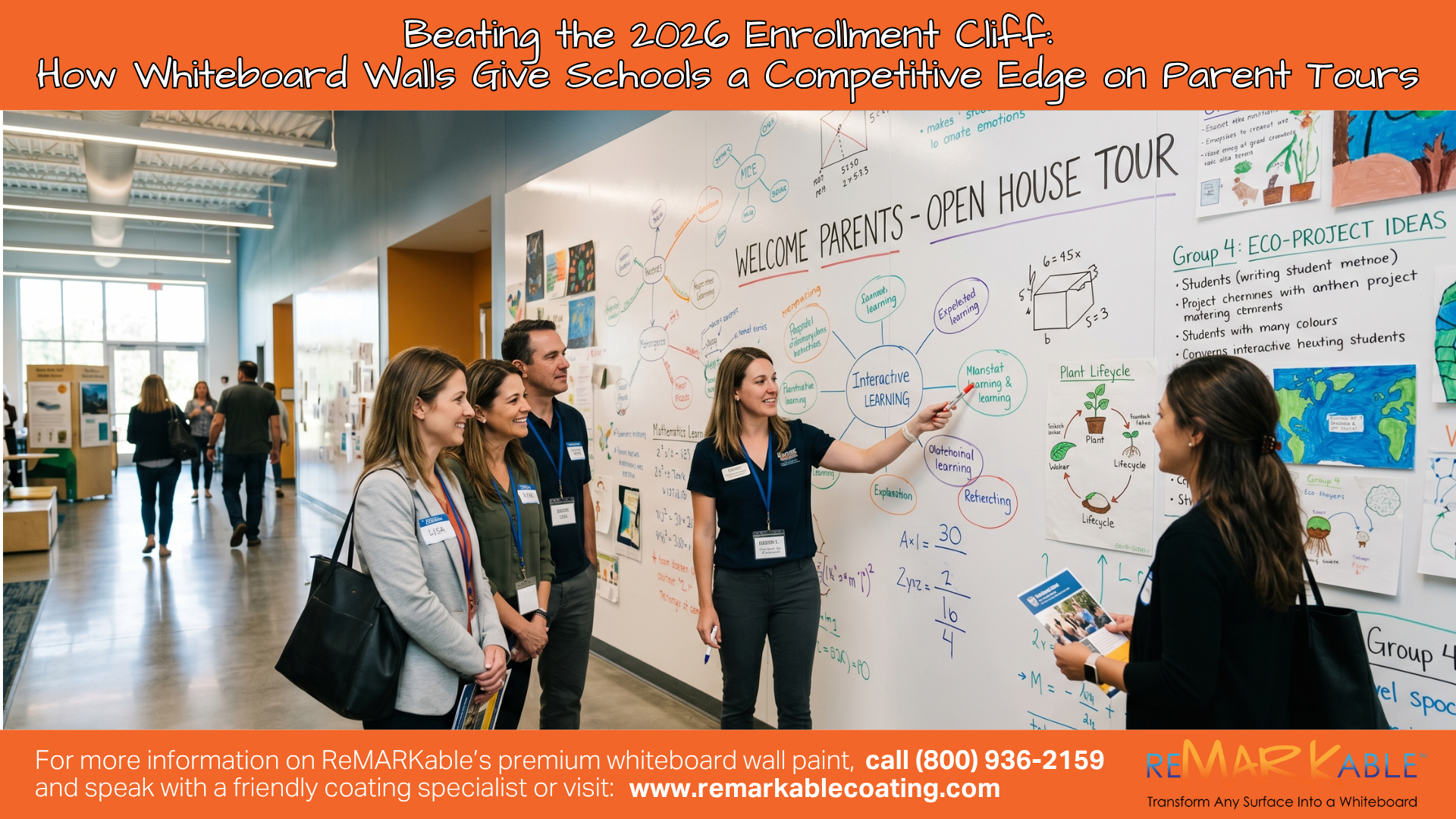
How Whiteboard Walls Give Schools a Competitive Edge on Parent Tours
As independent, private, and charter school administrators prepare for a highly competitive 2026-2027 academic year, integrating expansive whiteboard walls is a proven strategy to instantly modernize a campus and impress prospective families. We are rapidly approaching the peak of the demographic shift widely known as the “enrollment cliff.” With fewer traditional-aged students entering the education system across the country, school owners and enrollment directors face unprecedented pressure to differentiate their institutions. It is no longer enough to simply promise strong academics; today’s parents want to see tangible evidence of innovation, student engagement, and future-ready pedagogy the very moment they step onto the campus. When prospective families walk through the doors for a tour, the physical environment silently but with complete authority communicates the school’s core values. To win enrollment and secure tuition revenue, schools must prove they are abandoning outdated, passive learning models. Transforming static, restrictive classrooms into dynamic, 360-degree interactive hubs with premium whiteboard paint is the ultimate administrative strategy to showcase a commitment to active learning and secure a vital competitive edge during the admissions season.
The 2026 Enrollment Cliff and the Demand for Differentiation
The much-discussed enrollment cliff is no longer a distant projection; it is a present reality for the 2026-2027 school year. Demographic data indicates that the pool of high school graduates is peaking around 2025 at approximately 3.8 to 3.9 million students and is projected to drop by up to 13 percent in the coming years. This demographic contraction intensifies the battle for student recruitment. In regions hit hardest by these shifts, schools are fighting defensively to protect their market share and maintain their operating budgets. Simultaneously, today’s parents are more discerning and demanding than ever before. They are looking far beyond basic standardized test scores. They are demanding modern environments that foster critical thinking, adaptability, and collaborative problem-solving skills that will prepare their children for the future workforce.
When these parents tour a prospective school, they are highly sensitive to the campus atmosphere. A classroom filled with rigid rows of desks facing a single, small-framed board subconsciously signals a restrictive, industrial-era approach to education. Enrollment directors must recognize that modern families expect a highly engaging, student-centered approach. To attract and retain mission-aligned students, a school must present a clearly articulated, distinguishing value proposition. This is where campus architecture and interior design become powerful marketing tools, turning the physical space into a tangible demonstration of the school’s progressive educational philosophy.
The Parent Tour: Visualizing “The World’s Writable Future”
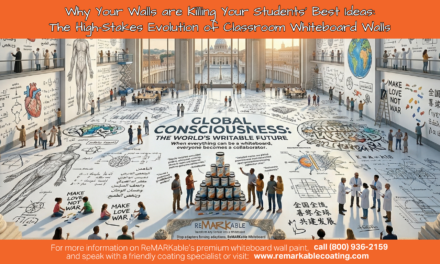
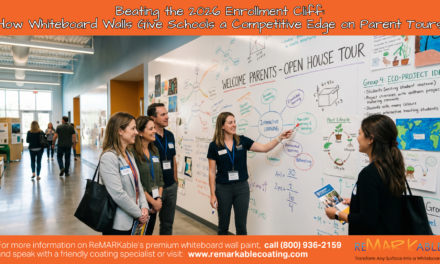
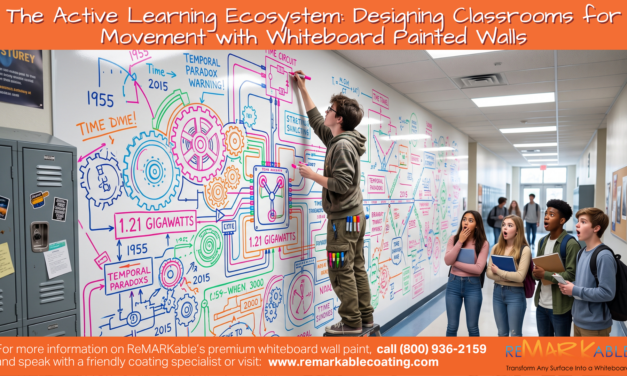
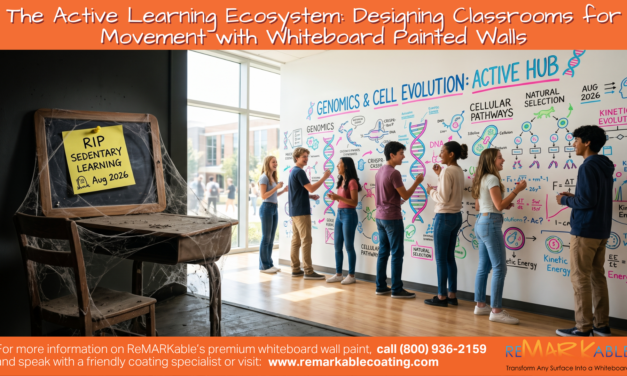
Imagine a prospective parent walking through your campus and stepping into a grand, sunlit architectural hall or a sprawling student learning commons. Instead of seeing students hunched silently over individual notebooks, they witness a vibrant, buzzing ecosystem of active learning. The physical boundaries of the traditional classroom have been entirely removed. Diverse groups of energetic students, teachers, and professionals are standing up, actively drawing complex human anatomy diagrams, intricate physics equations, and highly detailed world maps directly onto the floor-to-ceiling surfaces and open floor spaces. This breathtaking visual embodies the core theme of a modern educational aesthetic: “Global Consciousness: The World’s Writable Future.” It represents a paradigm where, when everything can be a dry erase surface, everyone becomes an active collaborator.
At the foundation of this visionary space sits the catalyst for transformation—a neatly stacked pyramid of premium coating cans, symbolizing the accessible tools needed to build this future. This level of visible, kinetic energy on a campus tour is incredibly persuasive to visiting families. It immediately communicates to touring parents that the institution is dedicated to dismantling academic silos and fostering a culture where diverse ideas flow freely among peers. By utilizing high-quality dry erase paint to turn ordinary hallways, structural pillars, and media center partitions into borderless canvases, administrators create a highly attractive, innovative campus environment that prospective families actively want their children to be a part of. The standard enrollment tour is instantly transformed from a mundane walkthrough of brick-and-mortar into an inspiring, unforgettable glimpse into the future of global education.
Showcasing Active Learning with Expansive Writable Surfaces
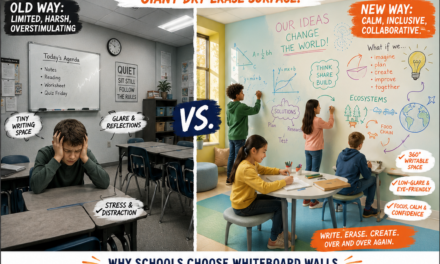
Beyond the immediate visual “wow” factor, equipping a campus with whiteboard painted walls allows administrators to easily highlight the school’s commitment to evidence-based, active learning methodologies. Educational psychology recognizes that spatial boundaries often generate cognitive boundaries. The negative impact of a standard four-by-six-foot framed board is a restrictive phenomenon known as “framed thinking.” When students operate under these harsh physical constraints, their brains subconsciously recognize a rigid, looming limit on idea generation. Once the physical space is exhausted, learners are forced to interrupt their cognitive flow, erase critical context, and attempt to carry complex conceptual threads forward purely through working memory. This truncation leads to fragmented problem-solving and lost data in the learning process.
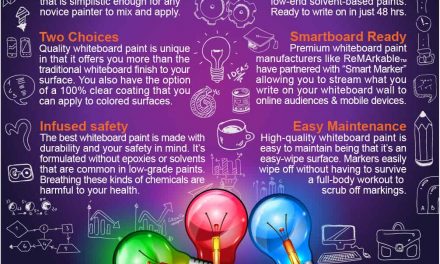
By contrast, expansive writable environments eliminate these mental handbrakes. When admission directors guide parents through a classroom equipped with a floor-to-ceiling dry erase surface, they can point to real-world data: schools that install these immersive surfaces report remarkable increases of up to 60 percent in active student participation. Standing at a vertical plane naturally increases blood flow and physical arousal, instantly improving student alertness and focus. Furthermore, because dry erase paint is inherently non-permanent, it drastically lowers the psychological threshold for risk-taking in the classroom. Students are far more willing to attempt challenging concepts when they know mistakes can be wiped away instantly with a simple microfiber cloth. For touring parents, seeing students confidently iterating on their ideas without the paralyzing fear of failure is a massive selling point. It provides undeniable proof that the school’s environment actively supports psychological safety, student agency, and deep, conceptual retention. In addition to boosting student success, these interactive walls reduce teachers’ workload, as students become more autonomous and self-directed in their learning.
Budget-Friendly Campus Modernization and Facility ROI
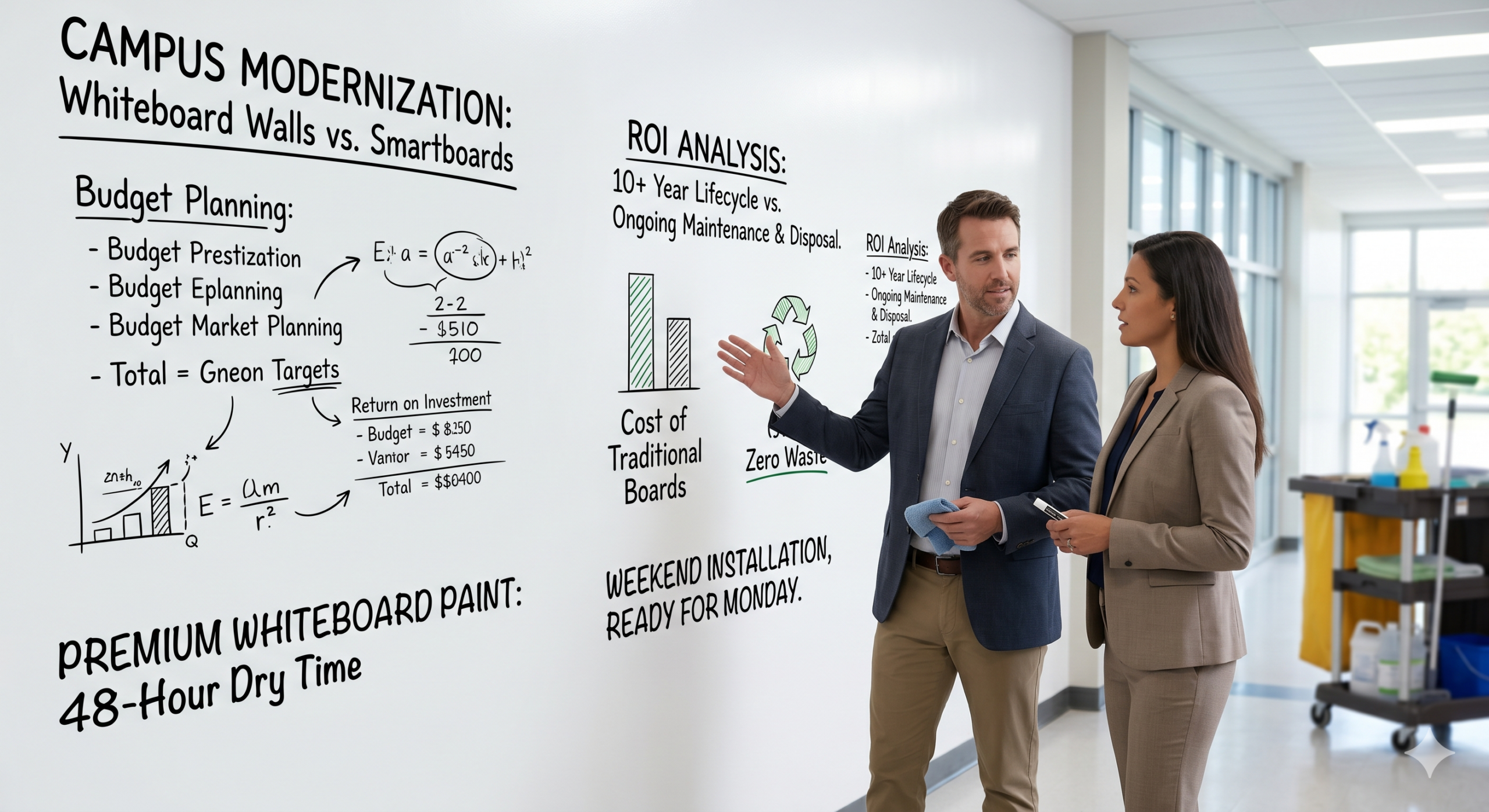
While impressing prospective families is crucial for enrollment, school administrators must always balance campus modernization with strict financial realities. Outfitting an entire school with interactive digital smartboards or specialized collaborative furniture requires a massive, often prohibitive, capital expenditure. Fortunately, transitioning to a boundless learning environment does not require a budget-breaking renovation. Creating a massive, seamless writable area using premium whiteboard paint costs approximately one-third the price of purchasing and installing a comparably sized traditional framed whiteboard.
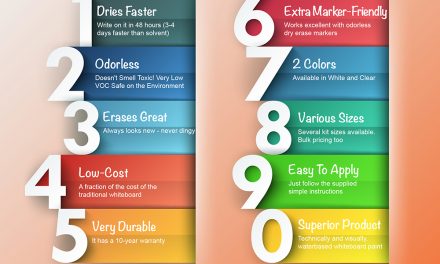
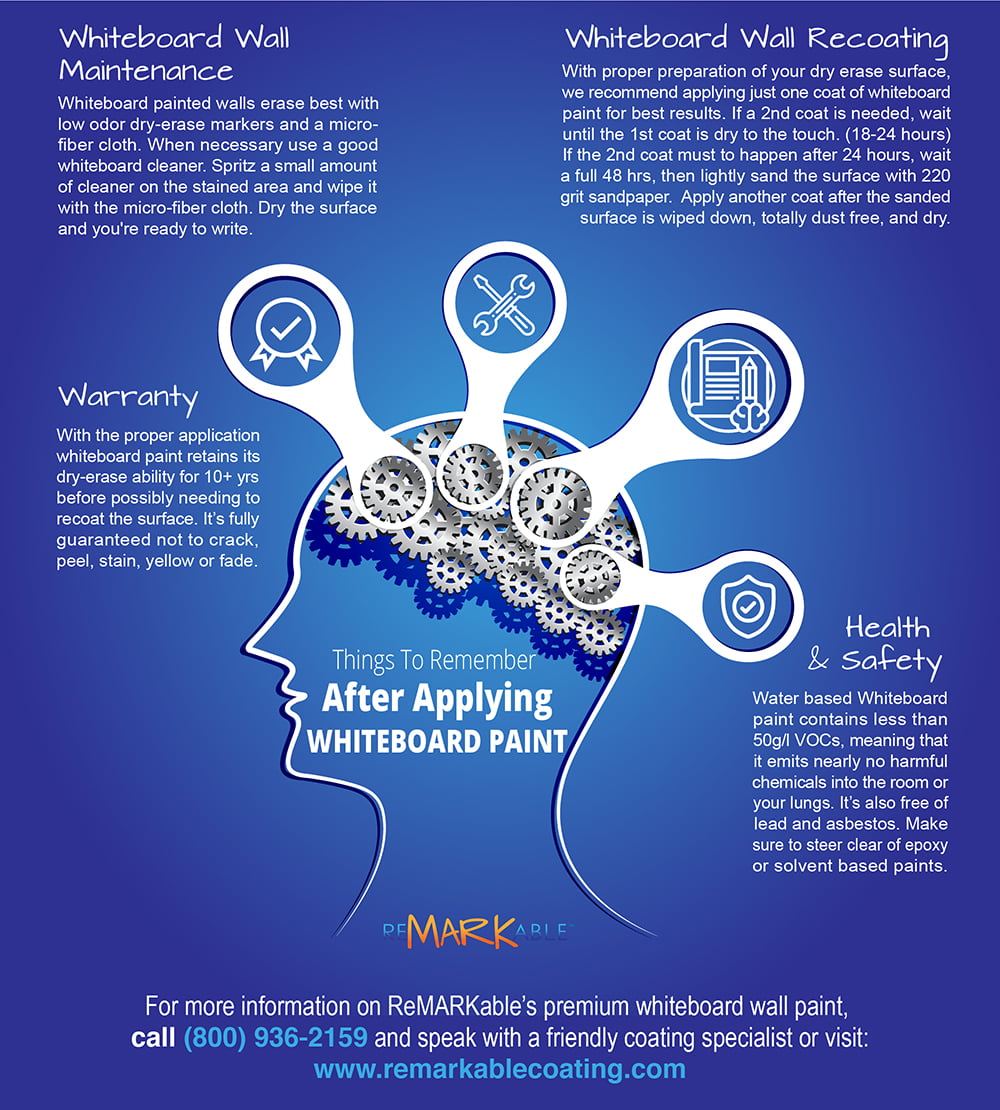
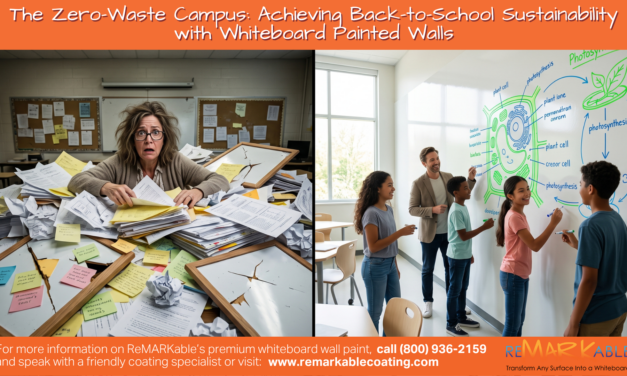
From a facility management and budgetary perspective, the return on investment is absolutely unparalleled. Traditional melamine or porcelain boards inevitably degrade, scratch, or suffer from permanent marker ghosting, resulting in a continuous cycle of disposal and replacement that strains operational budgets and generates unnecessary landfill waste. Conversely, a pro-grade painted surface is a permanent, zero-waste alternative. When properly applied and maintained with low-odor markers and a microfiber cloth, the coating retains its dry-erase properties for 10+ years indoors and is guaranteed not to crack, peel, yellow, or fade.
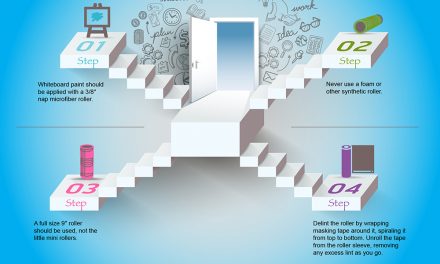
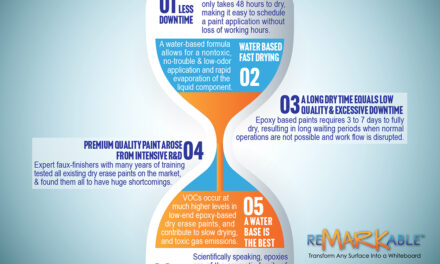
Furthermore, the installation process minimizes academic disruption. Top-tier formulas consist of a two-part mix that is applied with a premium-grade microfiber roller. They feature a simple one-coat application with the fastest dry-time on the market at just 48 hours. This high level of efficiency means a school’s internal custodial team can easily upgrade a tired, outdated classroom over a single weekend, rendering it fully functional for Monday morning classes and upcoming admissions tours.
Ensuring Health, Safety, and Pristine Indoor Air Quality
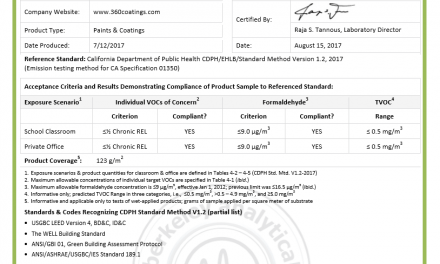
When selecting building materials to upgrade a campus, health and safety are paramount concerns for both administrators and prospective parents. During a school tour, a strong chemical odor in a newly renovated room will instantly raise red flags for health-conscious families. Historically, the commercial coatings industry relied on harsh, epoxy-based paints that emitted high levels of toxic chemicals. However, ReMARKable whiteboard paint sets the gold standard for educational environments with a beautiful, non-toxic, 100 percent water-based, non-epoxy formulation.
This premium product contains less than 50 grams per liter of Volatile Organic Compounds (VOCs), meaning it is virtually odorless and emits nearly zero harmful chemicals into the environment. It is also completely free of lead and asbestos, providing unparalleled peace of mind. By prioritizing a coating that strictly complies with indoor air quality standards, school owners can confidently assure prospective parents that their child’s physical health and sensory well-being are fiercely protected. Additionally, the availability of a transparent finish allows schools to preserve expensive architectural details—such as natural wood doors, wooden desks, or custom-painted wall colors—while seamlessly integrating top-tier dry-erase functionality.
As the 2026 enrollment cliff rapidly approaches, private, independent, and charter schools must aggressively differentiate themselves to attract and retain modern families. A school’s physical environment is its most powerful, silent ambassador. By moving away from restrictive, outdated classroom designs and embracing the visionary concept of a “writable future,” administrators can fundamentally transform how their campus is perceived by the community. Upgrading facilities with premium dry erase paint is an incredibly cost-effective, high-impact strategy that solves space constraints, supports cutting-edge pedagogy, and protects operational budgets. When touring parents witness a dynamic, collaborative ecosystem where every surface is a tool for innovation, they are seeing the undeniable, long-term value of your institution. To secure enrollment, guarantee academic excellence for the next generation of students, and future-proof your facilities, visionary school leaders are transforming their campuses with whiteboard walls.



![Giant Leaps Forward Require Big Spaces. [Leap Year Sale Event!]](https://www.remarkablecoating.com/wp-content/uploads/2016/02/Giant-Leaps-ForwardRequire-Big-Spaces-440x264.jpg)



![30% Off St Patrick’s Day Sale! [Details Inside]](https://www.remarkablecoating.com/wp-content/uploads/2016/03/Glorious-1-440x264.png)

![Drive Your Organization Into Openness and Watch it Expand [20% Off Whiteboard Paint]](https://www.remarkablecoating.com/wp-content/uploads/2016/04/Drive-Your-Organization-Into-Openness-and-Watch-It-Expand.-1-440x264.jpg)
















![ReMARKable’s Winter Sale is Here! [25% Off + Free Shipping]](https://www.remarkablecoating.com/wp-content/uploads/2018/01/Red-Tag-Winter-Fashion-Facebook-Post-1-440x264.png)



![ReMARKable Summer Sale 2018 [28% Off Whiteboard Paint]](https://www.remarkablecoating.com/wp-content/uploads/2018/06/Blue-Simple-Line-Beach-Facebook-Post-1-440x264.png)

























































































































































































































0 Comments