
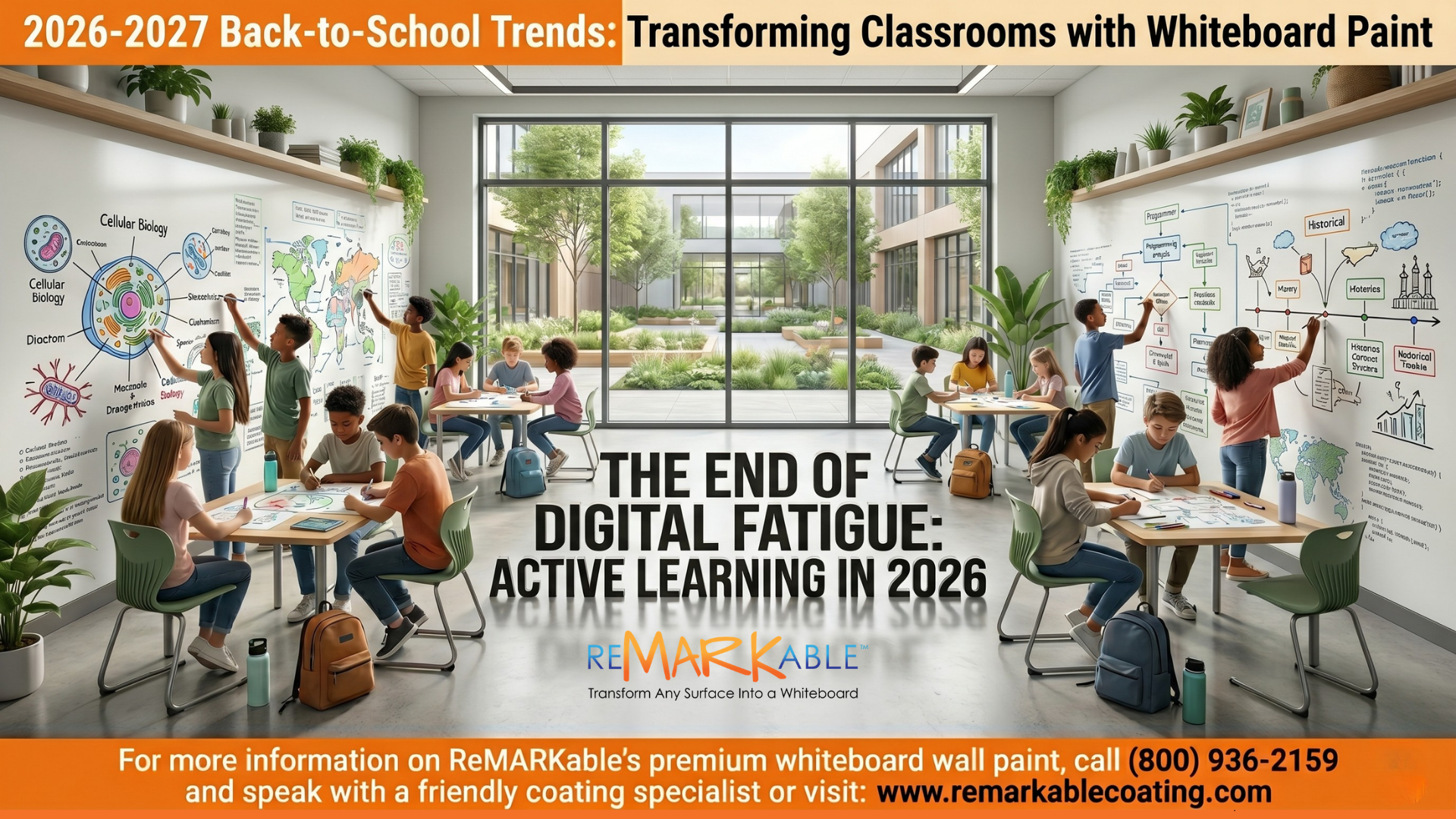
2026-2027 Back-to-School Trends: Transforming Classrooms with Whiteboard Paint for Active Learning
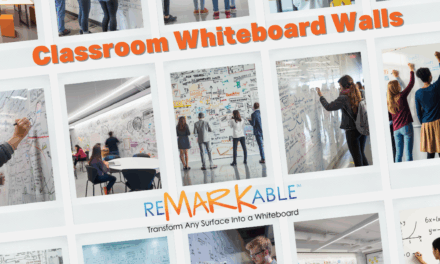
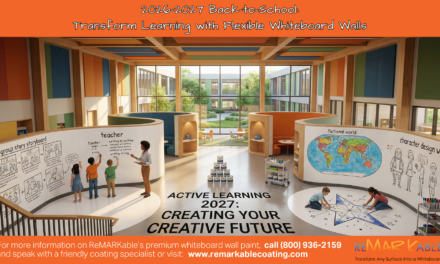
As educators, facility managers, and parents prepare for the 2026-2027 academic year, one of the most impactful back-to-school design trends is the integration of premium whiteboard paint to create immersive, active learning environments. Over the past few years, the educational landscape has experienced a massive influx of digital technology and artificial intelligence. While these tools are valuable, current pedagogical research indicates that students are experiencing unprecedented levels of digital fatigue. To counterbalance this screen-heavy reality, schools are actively seeking physical, collaborative solutions that get students out of their chairs, interacting face-to-face and engaging in hands-on problem-solving. Enter the modern whiteboard painted wall. By breaking free from the physical limitations of traditional framed boards, educational institutions are turning entire classrooms, STEM labs, and hallways into boundless canvases for student expression. This shift is not just an aesthetic upgrade; it is a fundamental change in how students learn, collaborate, and retain information in the 2026-2027 school year.
Preparing for Generation Alpha
The push for these adaptable environments is largely driven by the arrival of Generation Alpha in secondary and higher education spaces. Projected to reach nearly two billion people globally, this demographic is the most technologically integrated cohort in history. However, navigating their educational needs requires a delicate balance. While schools are eager to integrate advanced AI frameworks, a recent study revealed that 40 percent of K-12 employees report their district still lacks an official AI policy, and only 19 percent of students say they have been taught how to use AI properly for schoolwork. In the midst of this digital transition, school administrators recognize that while digital tools are necessary for research, the actual synthesis of ideas, critical thinking, and peer-to-peer connection happens best when students step away from their devices and work collaboratively in the physical world.
Combating Digital Fatigue with Analog Collaboration
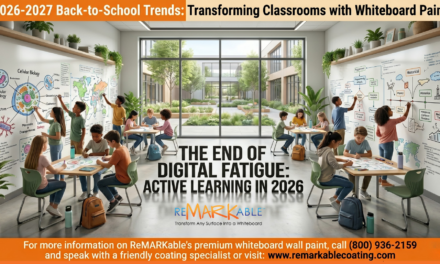
A major focus for the upcoming school year is creating balanced, neuro-inclusive environments that support student mental health. Remote and hybrid learning models, along with the ubiquity of personal devices, have fed a crisis of digital fatigue among K-12 and university students. In fact, a 2024 study highlighted that 44 percent of students rated their sleep as poor, an outcome heavily correlated with excessive electronic use which, in turn, is linked to increased feelings of loneliness and isolation.1 A well-designed classroom must provide an alternative to the glowing screen.
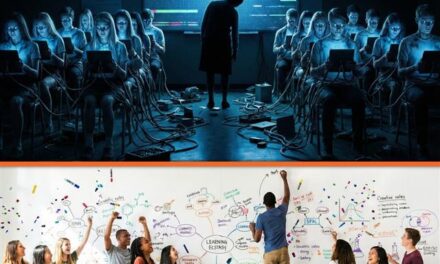
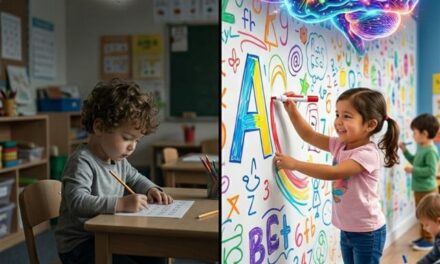
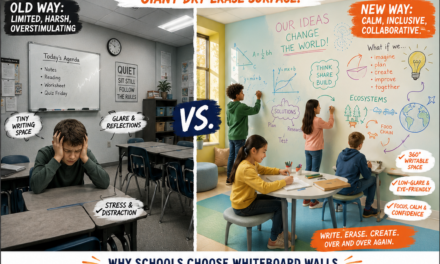
Expansive whiteboard walls serve as the ultimate “analog” antidote to this modern issue. When students gather around a large physical wall to map out a project or solve a complex equation, they are forced to engage in spontaneous, face-to-face interaction. This physical proximity fosters a sense of community, encourages eye contact, and prompts verbal communication that cannot be replicated in a virtual chat room. Furthermore, reading physical handwriting on a low-glare dry erase paint surface is significantly easier on the eyes than staring at a backlit monitor, reducing optical fatigue and keeping students focused for longer periods.
The Pedagogical Power of Vertical Non-Permanent Surfaces (VNPS)
One of the most profound pedagogical shifts influencing classroom design in 2026-2027 is the widespread adoption of the “Building Thinking Classrooms” framework developed by Dr. Peter Liljedahl. Research has revealed a startling reality: in traditional, seated learning environments, students spend the vast majority of their time passively mimicking teacher procedures rather than engaging in authentic, difficult problem-solving.
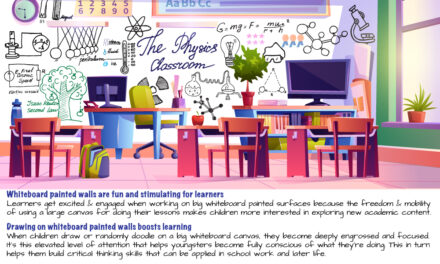
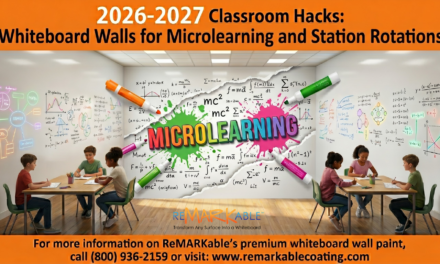
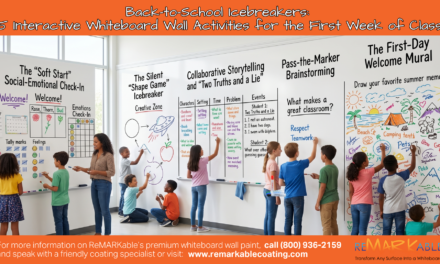
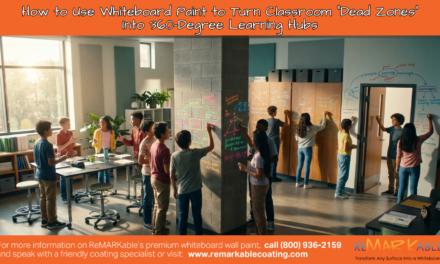
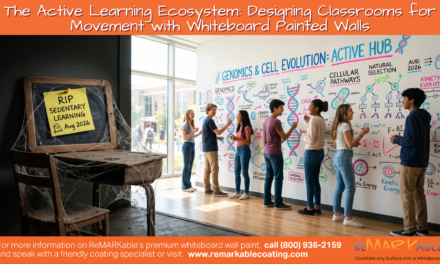
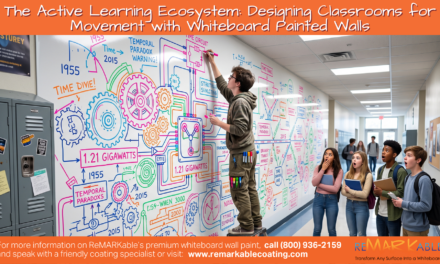
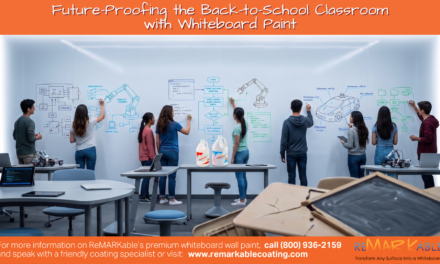
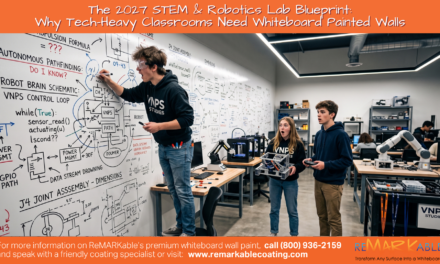
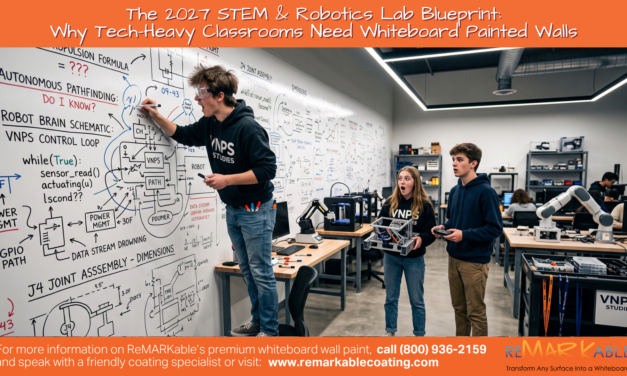
To combat this, the framework relies heavily on getting students out of their seats and working in visibly random groups on Vertical Non-Permanent Surfaces (VNPS). The empirical results of this methodology are staggering. Studies show that when students work on vertical whiteboards, they exhibit three times the engagement in the first 10 minutes compared to seated work. The vertical orientation of a whiteboard painted wall prevents students from slouching or hiding within their groups, while standing naturally increases blood flow, alertness, and focus.
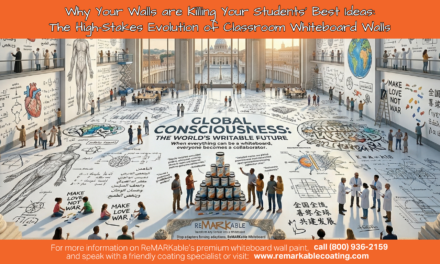
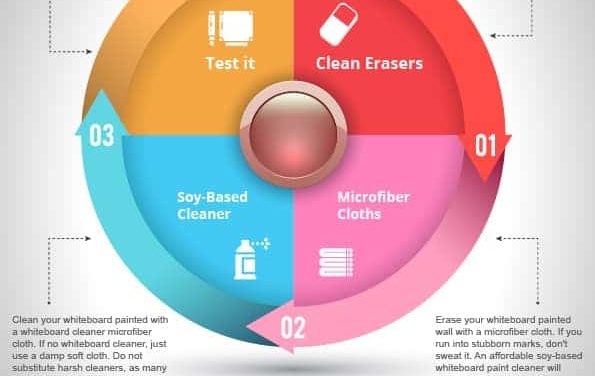
Because the medium is inherently “non-permanent,” it drastically lowers the psychological threshold for risk-taking. Students who suffer from academic anxiety or a fear of failure are far more willing to attempt a challenging math concept when they know any mistake can be obliterated with a simple swipe of a microfiber cloth. This freedom to experiment safely encourages a continuous cycle of iteration and peer-supported learning. Utilizing these surfaces increases “knowledge mobility,” allowing ideas to move freely among different groups as students can easily scan the room to observe peer strategies. In fact, schools utilizing these surfaces report that active student participation can increase by up to 60 percent.
Embracing Neuro-Aesthetics and Biophilic Design
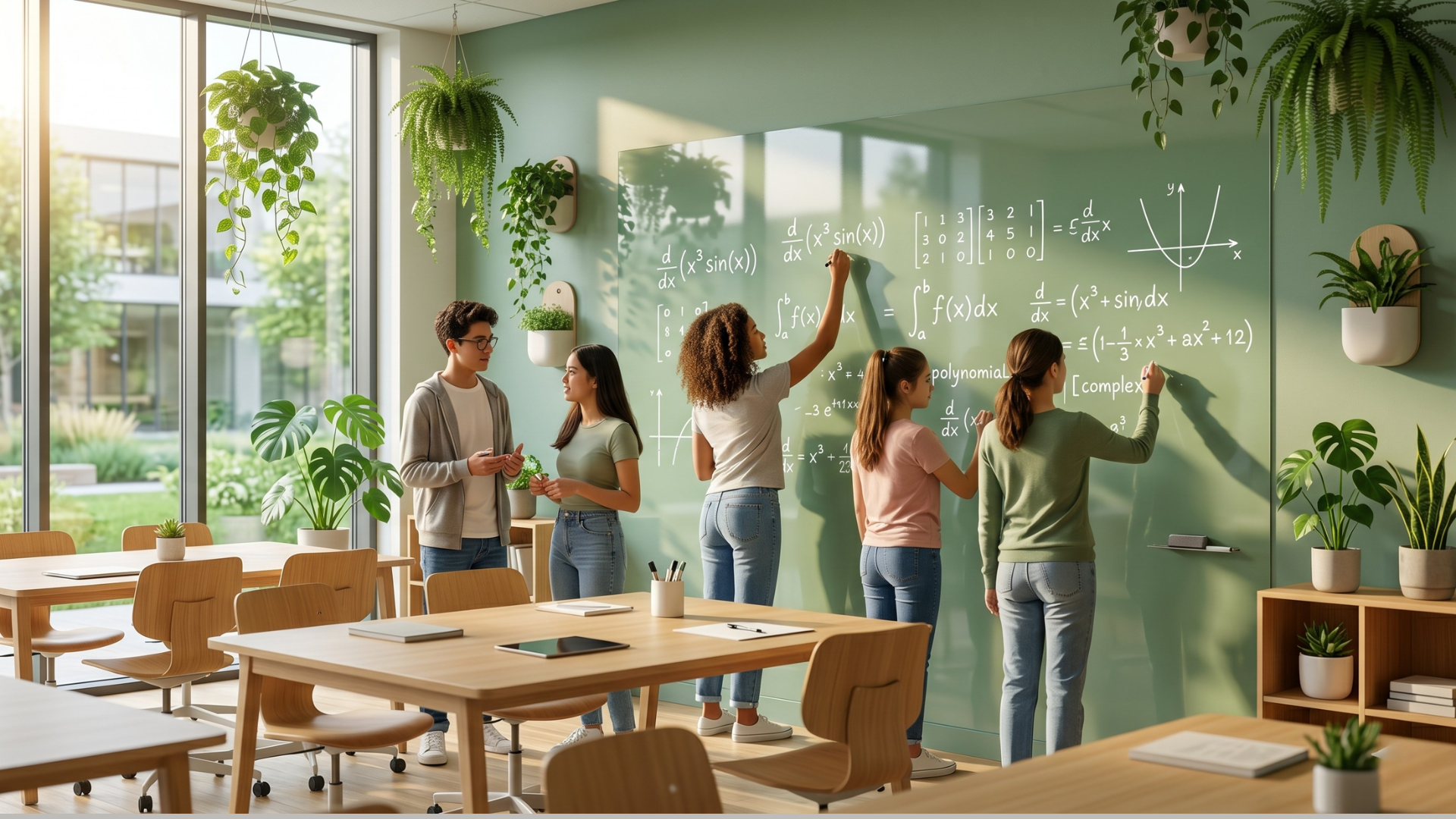
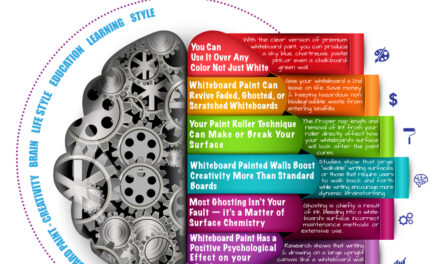
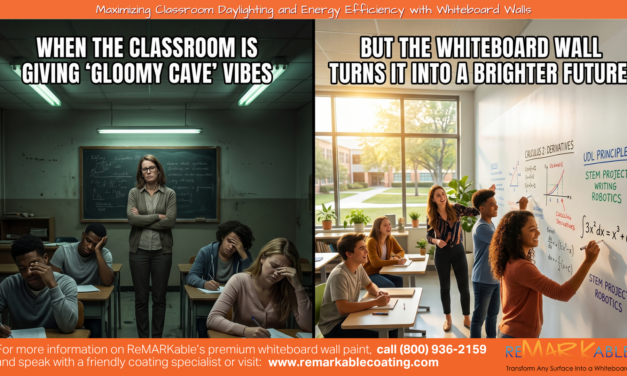
Beyond pedagogy, the visual aesthetic of the 2026 classroom is undergoing a radical transformation. Experts now understand that spatial design directly alters brain chemistry; natural light regulates circadian rhythms, while calming color palettes and natural textures actively reduce cortisol levels, lowering student stress. Consequently, design trends are shifting away from sterile, institutional white rooms toward neuro-inclusive palettes featuring earthy, natural tones like Sage Green and Cocoa Powder.
This presents a unique challenge: how do you provide students with massive, interactive writable surfaces without ruining a carefully curated, calming color scheme with glaring white blocks? The solution lies in transparent dry erase paint. Premium clear coatings can be applied directly over any painted wall, allowing schools to design a room in a soothing shade of green and then coat it with a transparent layer.4 The result is a fully functional, floor-to-ceiling collaborative canvas that seamlessly blends into the room’s biophilic design without causing visual overstimulation.
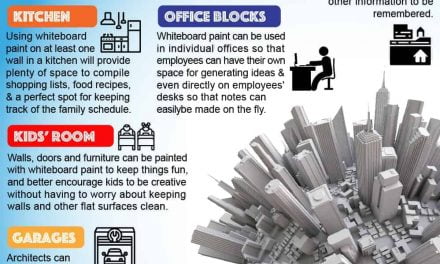
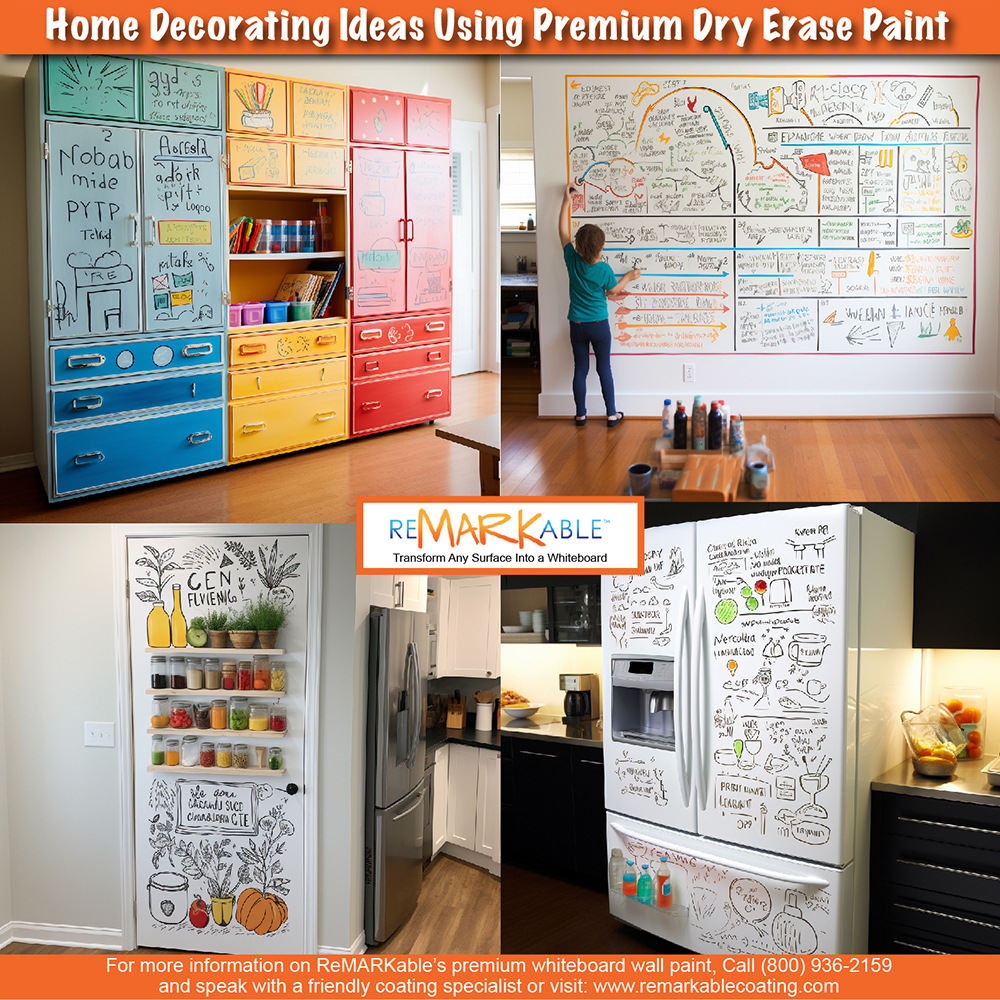
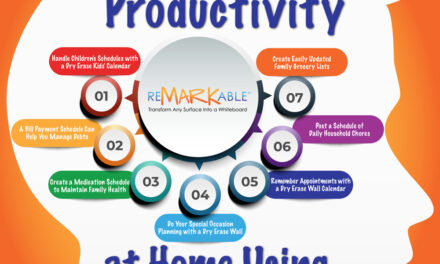
Home Study Spaces and Dormitory Organization The benefits of these surfaces extend far beyond the traditional campus; they are highly sought after for 2026 home study spaces and college dormitories. For younger students and homeschoolers, creating a designated “command center” at home is vital for establishing routines. Parents are increasingly using writable surfaces to track family schedules, meal planning, and daily homework assignments in central locations such as the kitchen or home office.
For college students navigating cramped living quarters, maximizing vertical space is a necessity. Since university housing policies generally prohibit painting dorm walls, innovative students are applying clear writable coatings to their personally owned furniture. Coating an end table, a rolling utility cart, or a bed tray transforms ordinary furniture into a functional command center where students can track syllabi and assignment deadlines without consuming additional square footage or violating housing policies.
Eco-Friendly and Budget-Conscious Classroom Hacks
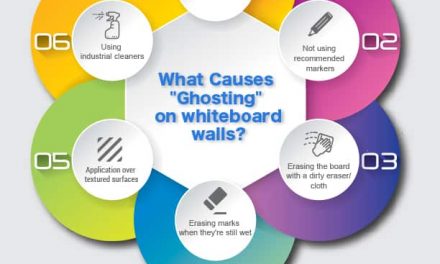
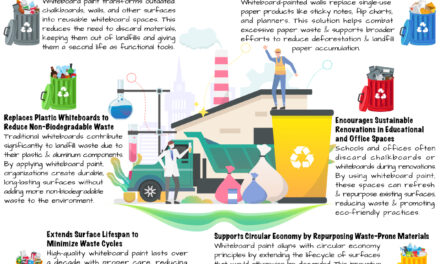
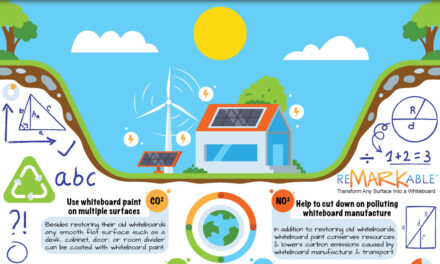
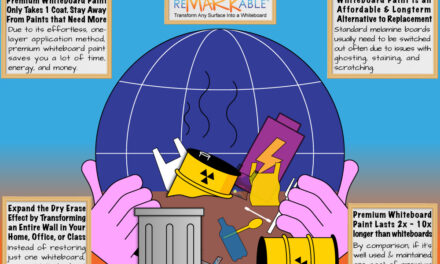
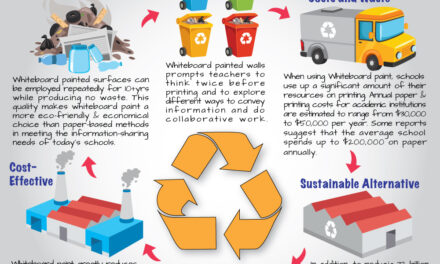
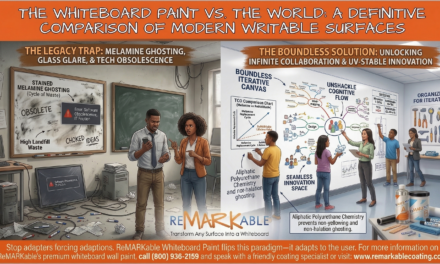
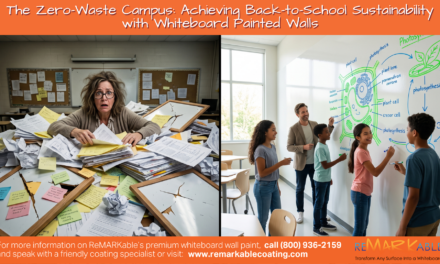
For the 2026-2027 school year, district procurement offices are actively seeking out sustainable, long-lasting materials to replace disposable or environmentally harmful products. In the realm of collaborative surfaces, traditional framed whiteboards present a significant environmental hazard and a recurring expense. When a standard melamine or porcelain board inevitably degrades, scratches, or suffers from permanent ink “ghosting,” the entire bulky unit—including its plastic and aluminum framing—is typically discarded into a landfill.
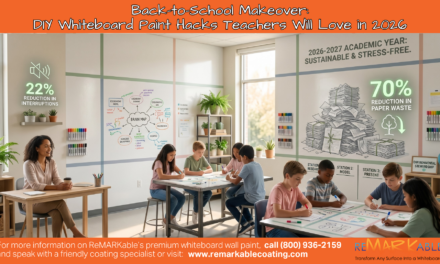
Premium dry erase paint solves this environmental crisis by offering a permanent, zero-waste alternative. On a daily operational level, equipping a classroom with expansive whiteboard walls dramatically reduces the institution’s reliance on single-use paper. Schools that use these surfaces for daily practice, math equations, and brainstorming report reducing paper waste by up to 70 percent, conserving natural resources while simultaneously trimming tight district budgets.
Furniture Upgrades and Smart Technology Integration
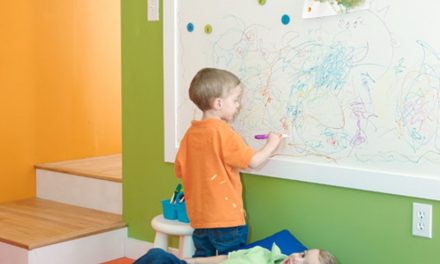
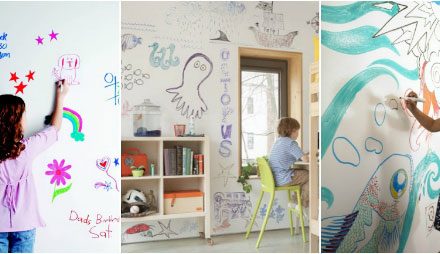
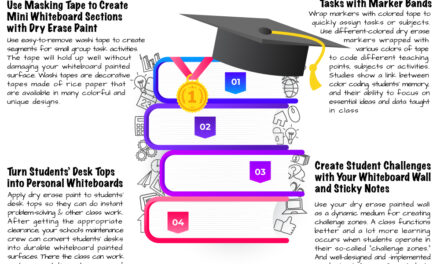
Resourceful teachers and facility managers are also using this coating to execute highly effective, budget-friendly classroom makeovers. Instead of purchasing entirely new, expensive collaborative furniture, schools are applying clear or white dry erase paint directly to the tops of existing student desks. This allows students to conduct instant problem-solving or jot down notes directly on their primary work surface, creating a highly engaging, tactile learning experience for a fraction of the cost of new furniture.
Furthermore, these painted surfaces integrate seamlessly with emerging technology. With tools like the eBeam Smartmarker, educators can capture notes, drawings, and brainstorming on a standard painted wall and stream them directly to students’ digital devices in real time, bridging the gap between analog writing and digital record-keeping.
Why ReMARKable is the Industry Standard for Schools
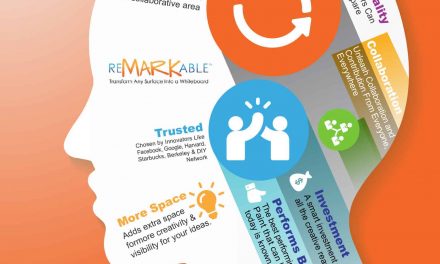
When specifying materials for K-12, higher education, or residential environments, safety, durability, and performance are non-negotiable. ReMARKable has established itself as the premier choice for educational facilities due to its uncompromising product specifications:
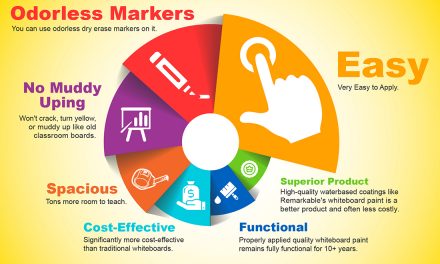
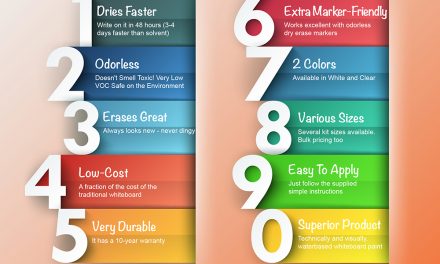
- Cost-Effectiveness: Creating a massive, seamless writable surface with this coating costs approximately one-third the price of purchasing and installing a comparably sized traditional whiteboard.
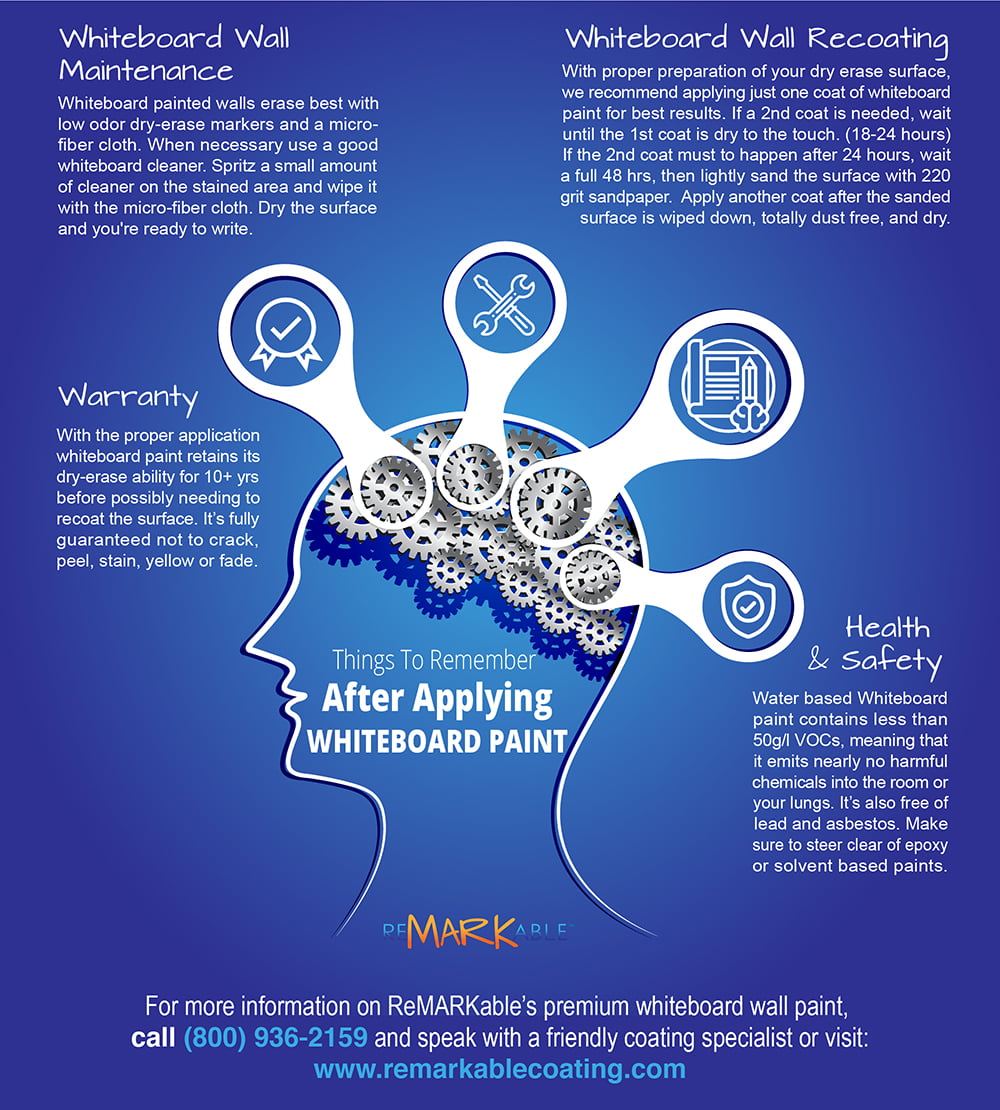
- Unmatched Durability: Pro-grade formulations are guaranteed against cracking, peeling, staining, or yellowing for 10-plus years of continuous, daily use.
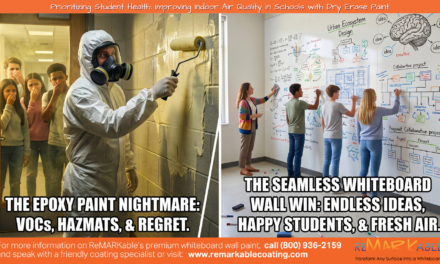
- Eco-Friendly and Safe: Unlike inferior, hazardous epoxy-based paints historically used in the industry, ReMARKable is a 100 percent water-based, non-epoxy formula. It features extremely low levels of volatile organic compounds (VOCs) and is virtually odorless (“doesn’t stink”), ensuring that classroom indoor air quality remains pristine and students do not experience headaches or dizziness during or after application.
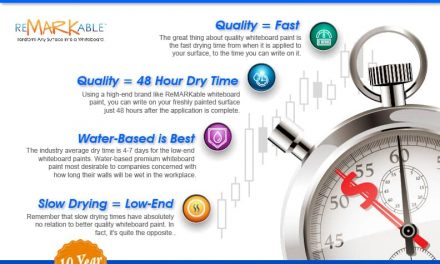
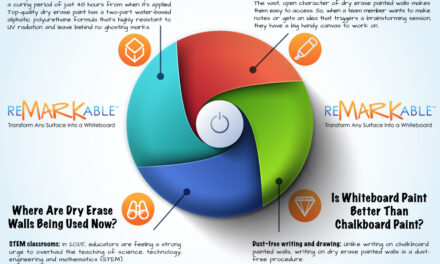
- Rapid Installation: It features a simple one-coat application over a proper base and boasts the fastest dry time on the market at just 48 hours, allowing facilities teams to complete classroom upgrades in a single weekend.
- Optimal Visibility: Engineered to be the most glare-resistant coating on the market, it ensures that students sitting at various angles in brightly lit classrooms can easily read the board without eye strain.
- Aesthetic Flexibility: Available in both traditional White and a completely Clear finish, schools can maintain their neuro-aesthetic, calming wall colors or preserve natural wood grain on desks while adding full dry-erase functionality.
Preparing for the Future of Education
As the 2026-2027 academic year approaches, transforming the physical learning environment has never been more critical. By moving away from restrictive, traditional boards and embracing expansive, collaborative surfaces, schools and families can actively combat digital fatigue and foster a culture of deep, kinetic learning. Whether you are upgrading a single elementary classroom, outfitting a high-tech university STEM lab, or creating dynamic home study spaces for siblings, equipping your environment with versatile tools is the key to educational success. Investing in premium whiteboard paint provides the boundless, sustainable canvas that the next generation of thinkers needs to thrive.
Works cited
- Addressing student mental health challenges, accessed April 13, 2026, https://wellfleetstudent.com/campus-health-360/addressing-student-mental-health-challenges/
- Improve Student Thinking in the Classroom Using Vertical …, accessed April 13, 2026, https://www.mathodology.com/blog/2024/improve-student-thinking-in-the-classroom-using-vertical-whiteboard-teaching/
- Best Whiteboard Paint and Dry Erase Paint for Quality Whiteboard …, accessed April 13, 2026, https://www.remarkablecoating.com/
- The Ultimate DIY Family Command Center Guide – Haute House Love, accessed April 13, 2026, https://hautehouselove.com/diy-family-command-center-guide/
- Building a Home Command Center for Back to School, accessed April 13, 2026, https://blog.schoolspecialty.com/building-home-command-center-back-school/
- 22 Trendy & Space-Saving Dorm Decor Ideas, accessed April 13, 2026, https://www.extraspace.com/blog/life-transitions/trendy-space-saving-dorm-room-decor-ideas/
- ReMARKable Smart Whiteboard Walls – The Best Smartboard Alternative, accessed April 13, 2026, https://www.remarkablecoating.com/smart-whiteboard-walls/.


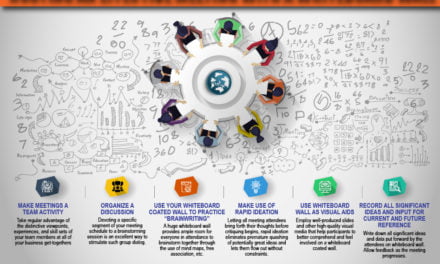
![Giant Leaps Forward Require Big Spaces. [Leap Year Sale Event!]](https://www.remarkablecoating.com/wp-content/uploads/2016/02/Giant-Leaps-ForwardRequire-Big-Spaces-440x264.jpg)


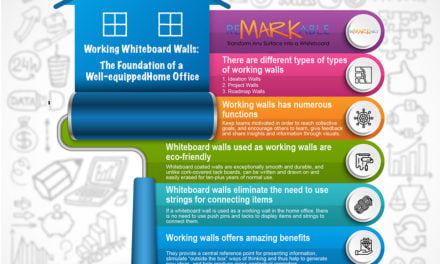
![30% Off St Patrick’s Day Sale! [Details Inside]](https://www.remarkablecoating.com/wp-content/uploads/2016/03/Glorious-1-440x264.png)

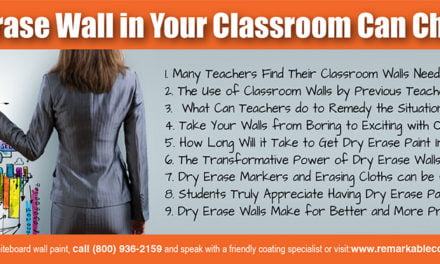
![Drive Your Organization Into Openness and Watch it Expand [20% Off Whiteboard Paint]](https://www.remarkablecoating.com/wp-content/uploads/2016/04/Drive-Your-Organization-Into-Openness-and-Watch-It-Expand.-1-440x264.jpg)











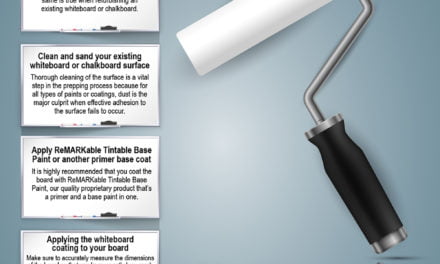
![ReMARKable’s Winter Sale is Here! [25% Off + Free Shipping]](https://www.remarkablecoating.com/wp-content/uploads/2018/01/Red-Tag-Winter-Fashion-Facebook-Post-1-440x264.png)



![ReMARKable Summer Sale 2018 [28% Off Whiteboard Paint]](https://www.remarkablecoating.com/wp-content/uploads/2018/06/Blue-Simple-Line-Beach-Facebook-Post-1-440x264.png)




















































































































0 Comments