
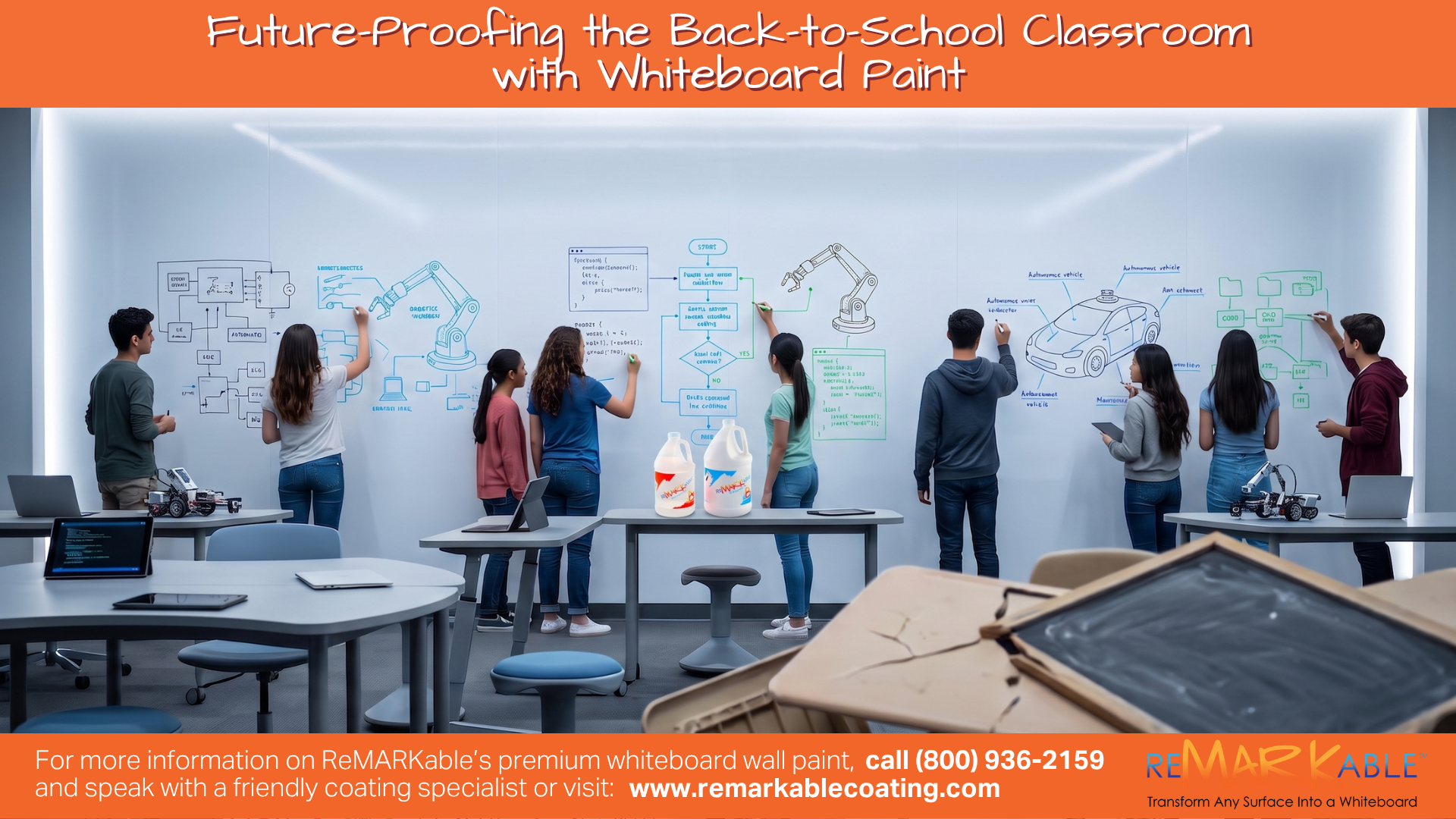
Future-Proofing the Back-to-School Classroom with Whiteboard Paint
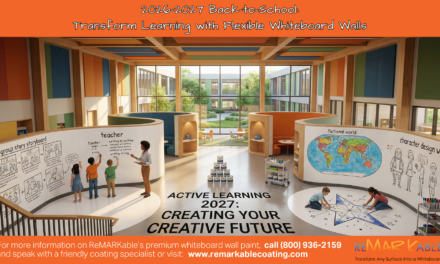
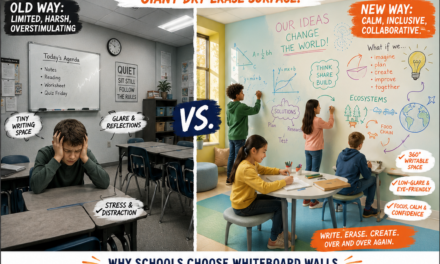
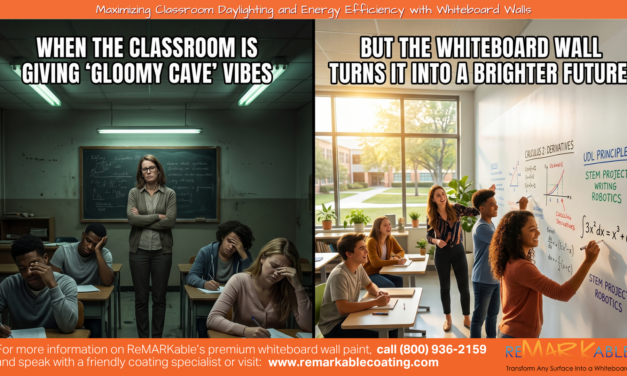
As administrators and educators prepare for the upcoming back-to-school season, upgrading outdated facilities with commercial-grade whiteboard paint has become the ultimate architectural strategy to maximize student engagement and collaborative learning. For decades, the start of a new academic year has been defined by the same predictable logistical routine: arranging heavy desks into rigid rows, organizing paper files, and wiping down a single, scuffed chalkboard or melamine board at the front of the room. However, as educational pedagogy rapidly evolves into the 2026-2027 school year, this static, industrial-era classroom model is completely failing modern students. Today’s learners require dynamic, highly interactive environments that facilitate physical movement, peer-to-peer instruction, and tactile problem-solving. By transforming standard, blank drywall into expansive, floor-to-ceiling writable surfaces, forward-thinking educational institutions are completely redefining the boundaries of the traditional learning space. This back-to-school season, facility directors and principals are recognizing that the physical architecture of a classroom dictates the quality of instruction that can occur within it. To foster true innovation, combat digital screen fatigue, and protect capital budgets, schools must invest in permanent infrastructural upgrades that turn every inch of the classroom into an active canvas for student brilliance.
Breaking Screen Dependency: The Case for Tactile Collaboration
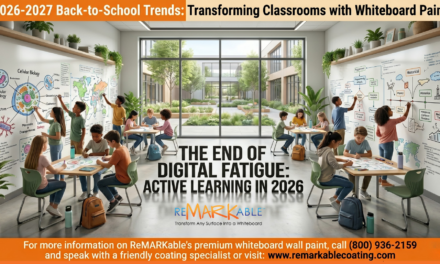
One of the most pressing challenges educators face during the back-to-school transition is managing the intense digital screen fatigue that modern students carry into the classroom. In recent years, school districts have invested heavily in 1:1 device programs, issuing laptops and tablets to every enrolled student. While this digital integration provides vast access to information, it has inadvertently created an incredibly isolated, sedentary learning experience. Students often spend their entire day hunched over small, glowing screens, isolated in digital silos, even when sitting shoulder to shoulder with their peers. Pedagogical researchers and child psychologists have noted that this over-reliance on digital devices severely diminishes gross motor engagement, stifles organic verbal communication, and severely limits collaborative problem-solving skills.
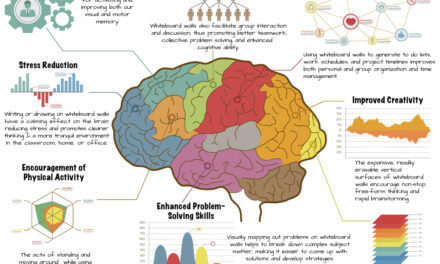
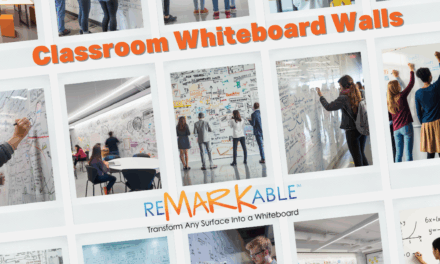
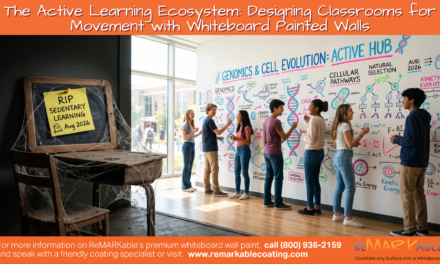
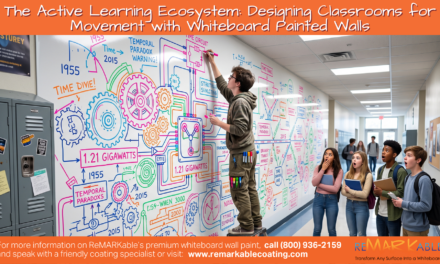
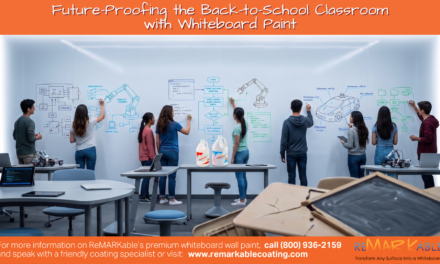
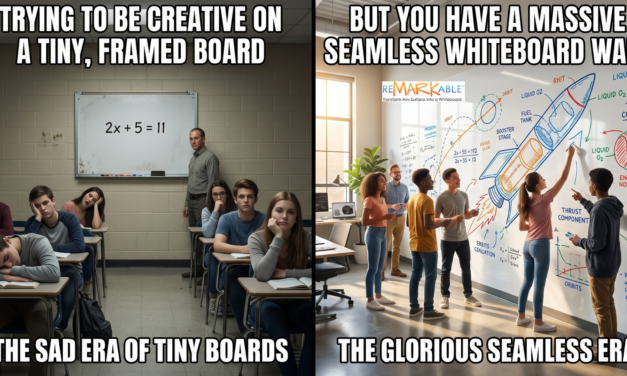
To break this cycle of digital isolation, educators must provide students with a compelling, physical alternative that demands teamwork. Traditional framed boards fail to accomplish this because they are constrained by rigid dimensions—typically only large enough for a single teacher to write on —leaving students as passive observers. However, when a school invests in seamless whiteboard walls that span the entire perimeter of a room, the instructional dynamic completely shifts. A teacher can instruct students to close their laptops, stand up, and approach the walls to map out a complex historical timeline, diagram a scientific process, or collaboratively solve advanced calculus equations. This tactile, large-scale engagement forces students to communicate verbally, negotiate spatial reasoning, and physically interact with the curriculum. The physical act of writing with a marker, stepping back to analyze the work, and discussing it with a peer triggers cognitive pathways that typing on a keyboard cannot replicate.
Maximizing Classroom Real Estate with Dry Erase Paint
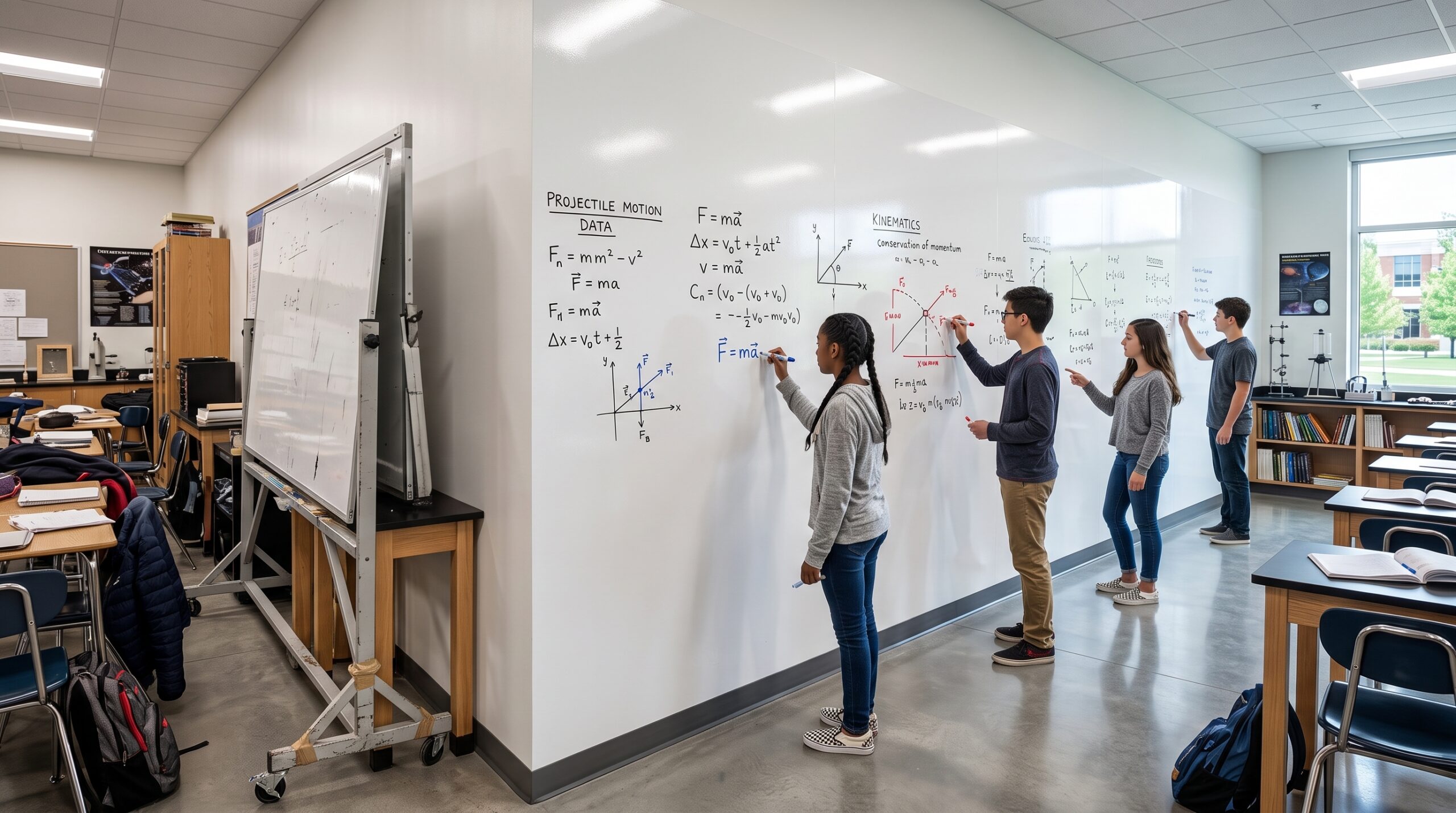
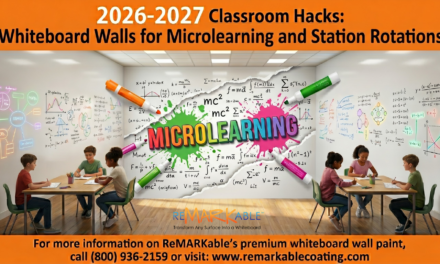
A major logistical hurdle for any back-to-school facility plan is maximizing the usable square footage of existing classrooms, which are often overcrowded. Over the years, teachers have attempted to increase collaborative space by bringing in bulky, rolling easel boards, massive chart paper stands, and interactive digital smartboards. Unfortunately, these items consume a massive amount of physical space, creating dangerous tripping hazards, blocking critical egress pathways, and violating strict National Fire Protection Association (NFPA) safety codes. Furthermore, heavy classroom furniture limits the teacher’s ability to quickly pivot the room’s layout for different instructional models, such as Socratic seminars or small-group station rotations.
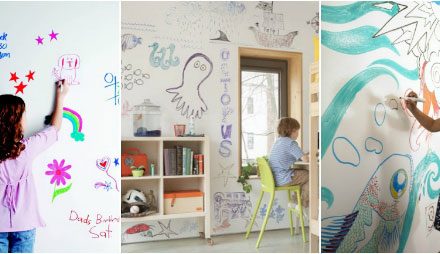
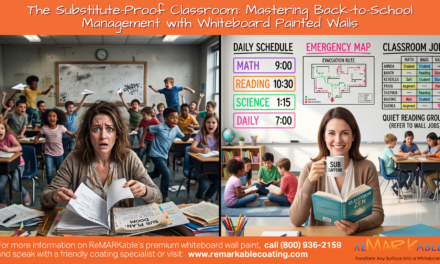
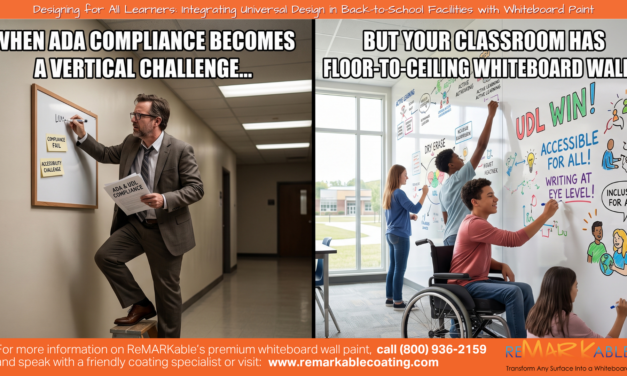
The strategic application of dry erase paint solves this spatial crisis by providing infinite, floor-to-ceiling utility with an absolute zero-inch physical footprint. Because the functional writable surface is integrated directly into the flush architectural drywall, it does not encroach on the classroom’s physical walking space by a single millimeter. Facility directors can confidently create massive, highly engaging interactive zones without ever running afoul of the fire marshal or cluttering the learning environment. This architectural invisible infrastructure allows teachers to reclaim their floor space. They can push lightweight, modular desks out of the way and instantly convert a cramped, traditional setup into a wide-open, 360-degree collaborative studio. By utilizing the vertical space already built into the building’s shell, schools can significantly increase the functional capacity of their real estate without incurring expensive structural renovations or purchasing clunky, space-consuming hardware.
Fostering Peer-to-Peer Instruction on Dry Erase Walls
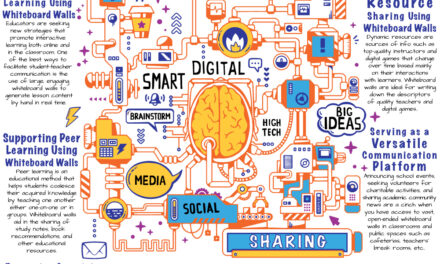
As the new academic year begins, establishing a strong classroom culture rooted in mutual support and shared knowledge is a top priority for effective educators. Educational psychology, heavily influenced by Lev Vygotsky’s “Zone of Proximal Development,” demonstrates that students often master complex, difficult concepts most quickly when they are guided by peers who have recently grasped the material themselves. However, the architecture of a traditional classroom—where all seats face forward toward a single teacher—actively discourages this type of decentralized, peer-to-peer instruction.
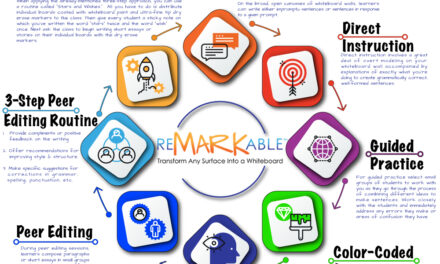
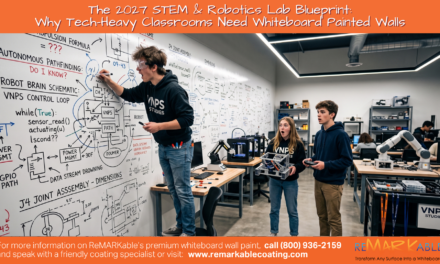
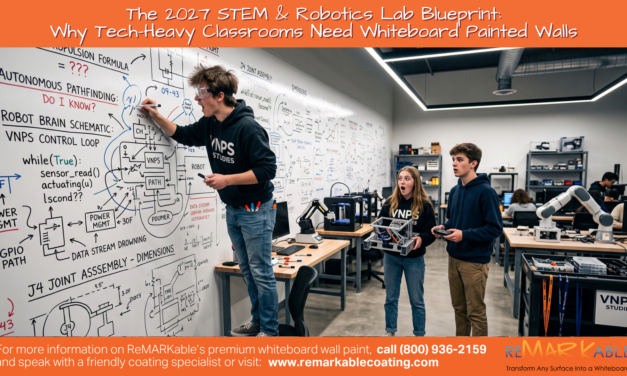
Expansive dry erase walls permanently shatter this restrictive “front of the room” paradigm, creating an environment where learning is democratized. Dr. Peter Liljedahl’s groundbreaking research on “Building Thinking Classrooms” explicitly highlights the necessity of Vertical Non-Permanent Surfaces (VNPS) to trigger rapid student engagement. When students are placed at a vertical wall rather than seated at a horizontal desk, their “time-to-task” drops exponentially. The non-permanent nature of the surface drastically lowers their fear of failure; if a student makes a mistake while balancing a chemical equation, they simply wipe it away with a microfiber cloth and try again, eliminating the anxiety associated with making a permanent error on a graded worksheet.
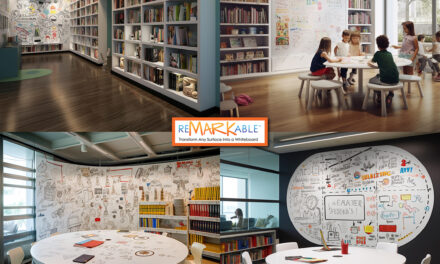
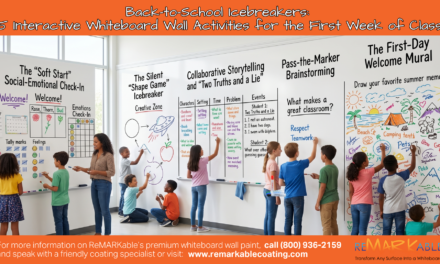
When an entire classroom perimeter is coated in this writable material, the room becomes a buzzing hub of decentralized learning. A teacher transitions from being the sole dispenser of information to an active facilitator, moving between groups as students stand shoulder to shoulder, pass markers back and forth, vigorously debate concepts, and physically illustrate their thought processes. This highly visible, communal approach to problem-solving builds profound academic confidence, ensuring that students are not merely memorizing facts for a test, but actively constructing deep, lasting knowledge together.
The Financial and Operational ROI of Whiteboard Wall Paint
Beyond the profound pedagogical benefits, the decision to upgrade facilities during the back-to-school season must be heavily scrutinized through the lens of long-term financial stewardship and operational efficiency. Campus principals, district superintendents, and school boards are constantly tasked with balancing the need for cutting-edge instructional tools against shrinking capital budgets. The traditional cycle of procuring, maintaining, and replacing classroom hardware is fundamentally broken and financially draining.
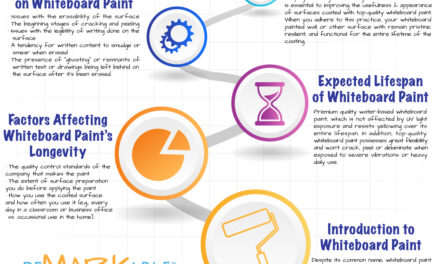
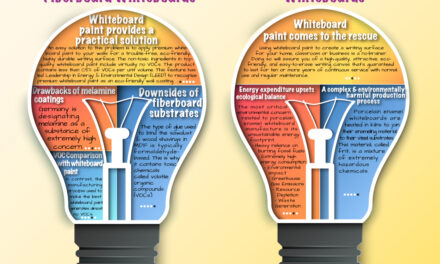
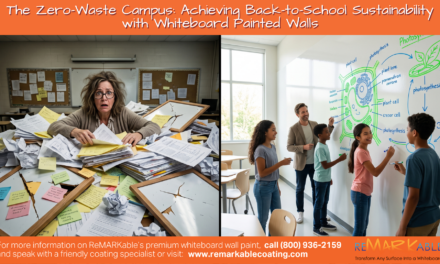
Standard melamine or low-grade porcelain whiteboards have incredibly short lifespans in high-traffic K-12 environments. Within just three to five years, these cheap boards become heavily “ghosted,” permanently stained with marker ink that no chemical solvent or janitorial effort can remove. Consequently, facility departments are trapped in an endless, expensive cycle of unbolting ruined boards, paying heavy municipal disposal fees to throw them in local landfills, and purchasing identical replacement hardware. Additionally, the annual budget for consumable collaborative supplies—such as massive pads of butcher paper, sticky notes, and single-use charting materials—costs school districts thousands of dollars per building, directly contributing to massive environmental waste.
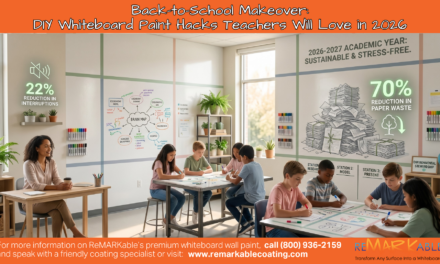
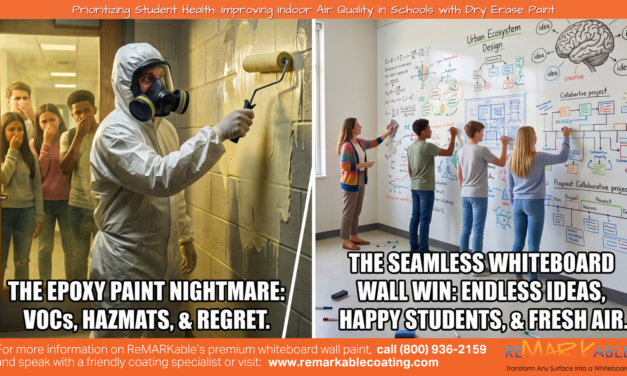
By investing in high-performance whiteboard wall paint, educational institutions can completely break this wasteful cycle. Commercial-grade writable coatings are engineered for extreme durability and designed to withstand decades of rigorous daily use by thousands of students without ghosting or degrading. Because there are no fragile aluminum frames to bend or heavy particleboard cores to crack, there is absolutely no hardware to replace or throw away at the end of the school year. This permanent architectural upgrade instantly eliminates the recurring budgetary drain of replacing failed boards and completely slashes the school’s consumable paper budget. Over a ten-year facility lifecycle, the initial investment in premium coatings yields a staggering Return on Investment (ROI), freeing up critical district funds that can be reallocated directly toward teacher salaries, specialized student resources, or advanced curriculum development.
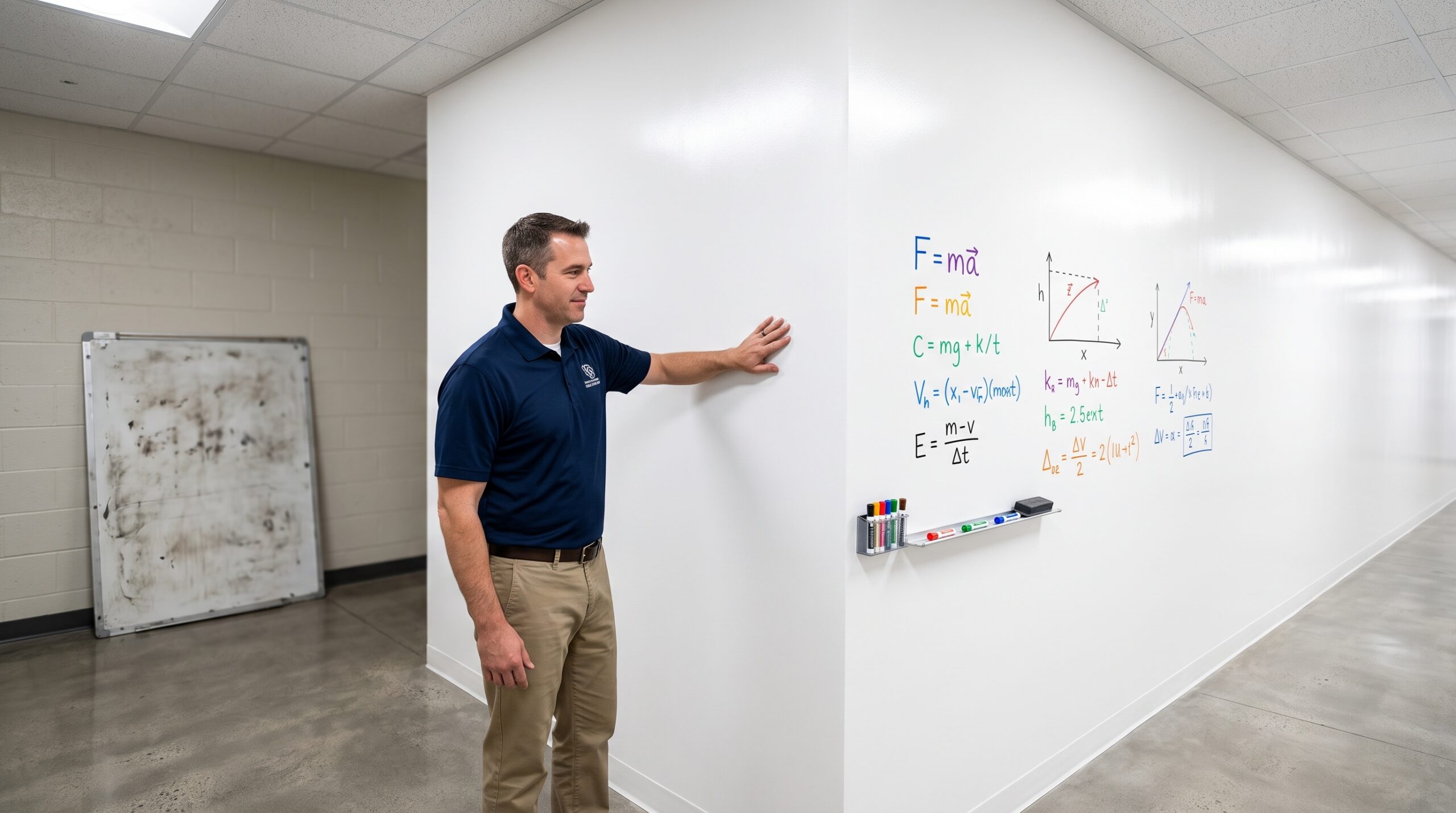
Transforming your campus for the new academic year with premium whiteboard paint is a definitive step toward building a highly adaptable, future-proof educational environment. The days of relying on restrictive, bulky hardware and isolated digital screens are rapidly coming to an end, replaced by an urgent demand for spaces that actively promote physical movement, bold creativity, and fearless collaboration. By equipping your educators with limitless, 360-degree vertical surfaces, you provide the exact architectural foundation needed to implement cutting-edge pedagogy and foster deep, peer-to-peer academic mastery. Furthermore, this strategic infrastructure upgrade is a brilliant act of financial and environmental stewardship, permanently eliminating the wasteful cycle of disposable supplies and failing hardware. As you finalize your back-to-school facility preparations, make the visionary choice to empower your students and protect your district’s budget; build the vibrant, engaging, and dynamic classroom of tomorrow by upgrading your walls today.



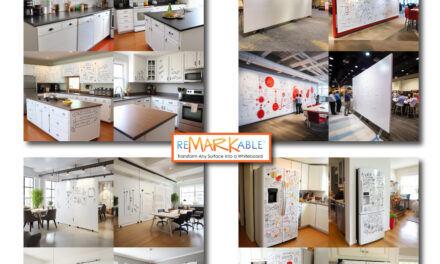
![Giant Leaps Forward Require Big Spaces. [Leap Year Sale Event!]](https://www.remarkablecoating.com/wp-content/uploads/2016/02/Giant-Leaps-ForwardRequire-Big-Spaces-440x264.jpg)



![30% Off St Patrick’s Day Sale! [Details Inside]](https://www.remarkablecoating.com/wp-content/uploads/2016/03/Glorious-1-440x264.png)

![Drive Your Organization Into Openness and Watch it Expand [20% Off Whiteboard Paint]](https://www.remarkablecoating.com/wp-content/uploads/2016/04/Drive-Your-Organization-Into-Openness-and-Watch-It-Expand.-1-440x264.jpg)

















![ReMARKable’s Winter Sale is Here! [25% Off + Free Shipping]](https://www.remarkablecoating.com/wp-content/uploads/2018/01/Red-Tag-Winter-Fashion-Facebook-Post-1-440x264.png)




![ReMARKable Summer Sale 2018 [28% Off Whiteboard Paint]](https://www.remarkablecoating.com/wp-content/uploads/2018/06/Blue-Simple-Line-Beach-Facebook-Post-1-440x264.png)






























































































































































































































0 Comments